

Are stubborn build-ups on your teeth making you self-conscious about your smile? Understanding how to effectively remove tartar is essential not just for aesthetics, but also for your oral health. Discover fast and effective methods to tackle this dental dilemma and restore your pearly whites, ensuring you feel confident in every grin.
Understanding Tartar: What It Is and Why It Matters
Defining Tartar: The Hidden Dangers
Did you know that tartar, also known as dental calculus, is not just an unsightly foe on your teeth, but a precursor to serious oral health issues? Tartar is formed when dental plaque, a sticky film of bacteria, hardens on your teeth due to mineral deposits from saliva. This process can begin within just 24 to 72 hours of plaque formation, which is why maintaining good oral hygiene is crucial.
Understanding what tartar is and why it matters is the first step in preventing its buildup. Onc tartar forms, it becomes nearly impossible to remove with regular brushing and flossing alone. Rather, it requires professional tools utilized by dentists or hygienists for removal. Neglecting to address tartar buildup can lead to gum disease, cavities, and even tooth loss over time, underscoring the importance of proactive dental care.
How Tartar Affects Your Oral Health
The presence of tartar in your mouth can have several adverse effects, which include:
- Gum Disease: Tartar creates a rough surface that encourages plaque accumulation, leading to gingivitis and more severe periodontal diseases.
- Cavities: The bacteria associated with tartar can produce acids that erode tooth enamel, increasing the risk of cavities.
- Bad Breath: Bacteria contained in tartar may contribute to persistent bad breath, making it a social concern.
- Tooth Discoloration: Tartar can discolor teeth,leading to an unappealing yellow or brown appearance.
To combat these issues effectively,it’s essential to adopt a routine that includes regular visits to the dentist for cleanings alongside daily oral hygiene practices. Exploring methods documented in resources like “How to Quickly Remove Tartar From Teeth: Fast, Effective Methods” can provide additional strategies for managing your dental health.
Practical Steps to Manage and Prevent Tartar Buildup
Here are some actionable steps you can take to manage tartar buildup and maintain your oral health:
| Method | Description | Frequency |
|---|---|---|
| Regular Brushing | Brush your teeth at least twice a day with fluoride toothpaste to remove plaque. | Daily |
| Flossing | Floss daily to eliminate plaque between teeth were brushes can’t reach. | Daily |
| dental Check-ups | Visit your dentist at least twice a year for professional cleanings. | Every 6 months |
| Use of Antibacterial Mouthwash | Incorporate an antibacterial mouthwash into your routine to help kill bacteria that cause plaque. | Daily |
By being proactive and utilizing these strategies, you can take charge of your oral hygiene and minimize the risk associated with tartar buildup. Regularly incorporating techniques from articles such as “How to Quickly Remove Tartar From Teeth: Fast, Effective Methods” will enhance your understanding and ability to maintain a healthy smile.
Simple Daily Habits to Prevent Tartar Buildup
Did you know that tartar—also known as calculus—can not only harm your teeth but also lead to gum disease if left unchecked? The good news is that you can take control of your oral health with just a few simple daily habits. Implementing these strategies will not only keep your teeth looking great but also considerably reduce the risk of tartar buildup.
Daily Oral Hygiene Routine
Establishing a robust oral hygiene routine is your first line of defense. Aim for a complete plan that includes:
- Brushing Twice a Day: Use fluoride toothpaste and a soft-bristled toothbrush.Brush for at least two minutes each time, ensuring you cover all tooth surfaces.
- Flossing Daily: Flossing is essential to remove plaque and food particles between teeth where your toothbrush can’t reach. Aim for at least once a day.
- Rinsing with Mouthwash: An antibacterial mouthwash helps reduce plaque and fight bacteria. Incorporate this step after brushing and flossing.
By making these habits non-negotiable parts of your routine, you can significantly reduce the amount of plaque that has the potential to harden into tartar.
Dietary Choices Matter
What you eat can play a pivotal role in preventing tartar buildup. Incorporating certain foods while limiting others can create a more oral-kind environment.
| Foods to Eat | Foods to Limit |
|---|---|
| crunchy fruits and vegetables (like apples and carrots) | Sugary snacks and beverages |
| Natural dairy products (like yogurt and cheese) | Processed foods high in starch |
| Green tea (rich in antioxidants) | Coffee and black tea (can stain teeth if consumed excessively) |
Choosing foods rich in vitamins and minerals strengthens your teeth and gums, while limiting sugars reduces plaque formation, keeping tartar at bay.
Regular Dental Visits
While home care is essential, don’t underestimate the power of regular check-ups. Visiting a dentist every six months will help catch any issues before they become significant problems.Professional cleanings effectively eliminate tartar that regular brushing can’t, ensuring your mouth stays healthy. Additionally, your dentist can provide personalized advice on how to manage your oral care routine and spot any early signs of tartar buildup.
By incorporating these simple daily habits into your life, you can effectively manage tartar buildup and enjoy a healthier, brighter smile.Consistency is key—commit to your routine, and the benefits will follow!
effective At-Home Remedies to Remove Tartar
Did you know that regular at-home care can significantly reduce the buildup of tartar on your teeth? Maintaining optimal oral hygiene is essential not just for a shining smile, but also for your overall health. Tartar, also known as calculus, is a hardened form of plaque that can only be removed through professional dental cleaning. However, incorporating specific at-home remedies can help manage and even prevent its formation effectively.
Natural Remedies to Prevent Tartar Buildup
There are several powerful home remedies that can assist you in keeping your teeth clean and reducing tartar accumulation. Below are some practical options:
- Saltwater Rinse: gargling with a warm saltwater solution can help kill bacteria in your mouth and promote healing of your gums, thereby reducing plaque formation.
- Baking Soda Paste: Creating a paste with baking soda and water can effectively scrub away plaque and deter tartar buildup. Simply brush your teeth with this mixture a couple of times a week.
- Apple Cider Vinegar: The acetic acid in apple cider vinegar helps dissolve mineral deposits, including tartar. Mix a tablespoon with a cup of water and use it as a mouthwash, but avoid excessive use due to its acidity.
- Hydrogen Peroxide: This common household product has antibacterial properties. A diluted solution can serve as a mouthwash, helping to keep your mouth free from harmful bacteria.
Dietary Considerations
What you eat plays a critical role in oral health. Incorporating certain foods into your diet can naturally help reduce tartar. Foods rich in fiber, such as apples and carrots, act as natural toothbrushes by stimulating gums and removing plaque from teeth surfaces.
| Food | Benefit |
|---|---|
| Apples | High in fiber; helps clean teeth and gums. |
| Carrots | Crunchy texture promotes saliva production, which neutralizes acids. |
| Celery | Has a natural cleansing action; boosts saliva. |
| Dairy Products | High in calcium and phosphorus; promotes enamel health. |
By combining these natural home remedies with a consistent oral hygiene routine—brushing at least twice a day and flossing—you can significantly mitigate the risk of tartar buildup. Not only will these methods help maintain your oral health,but they can also contribute to a brighter,healthier smile. For comprehensive changes, consider consulting your dentist for advice tailored to your specific needs.
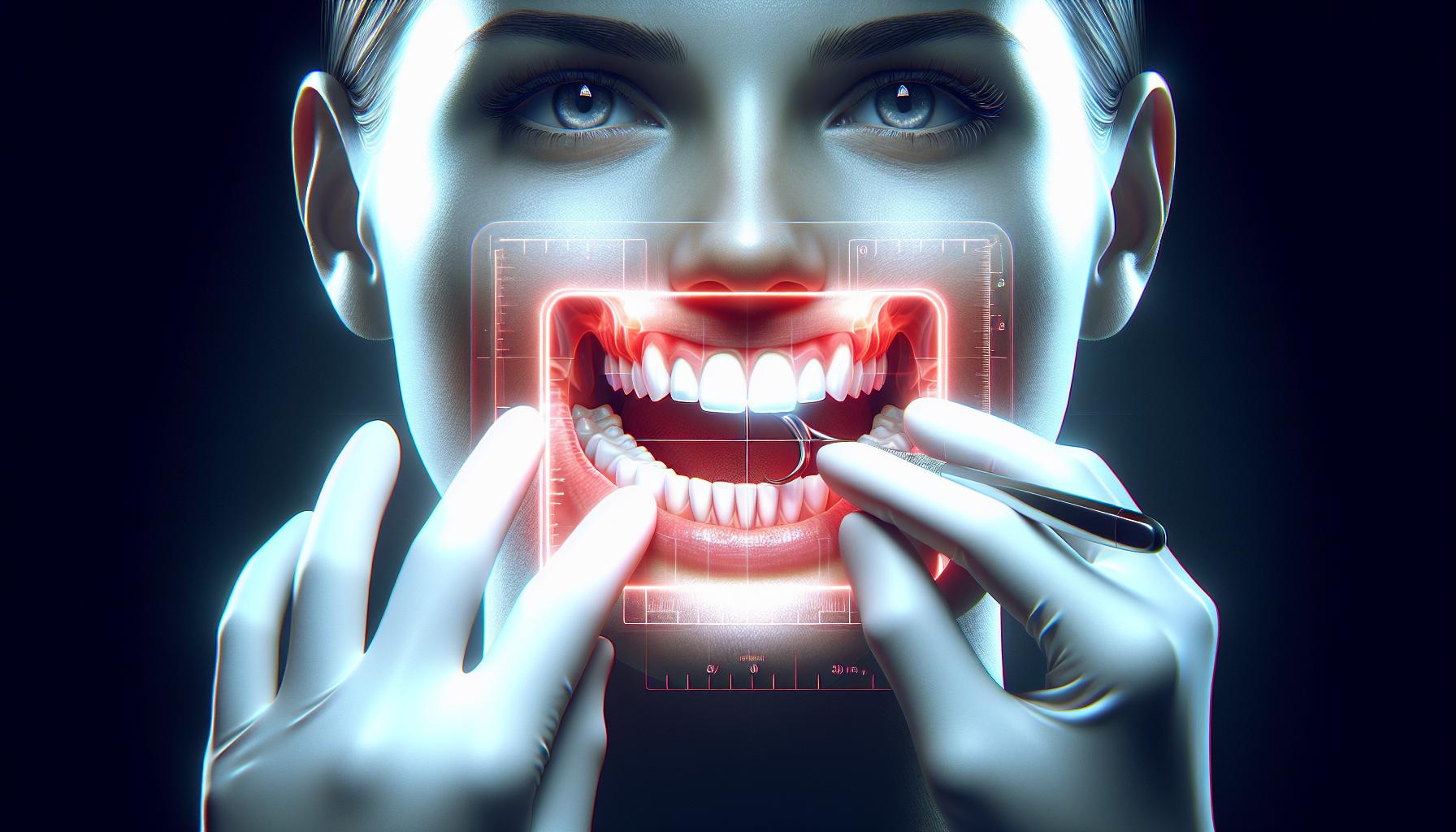
When to Seek Professional Help for Tartar Removal
It’s a common misconception that the daily maintenance of oral hygiene is sufficient to combat tartar buildup. In fact, dissolving tartar, the hardened form of plaque, often requires more than just your trusty toothbrush and floss. Recognizing when to seek professional help for effective tartar removal can make a significant difference in your oral health journey.
Understanding Tartar and Its risks
Tartar is not just an aesthetic problem; it can lead to serious dental issues like gum disease and tooth decay.If you notice signs such as persistent bad breath, swollen gums, or discomfort while chewing, it’s crucial to consult a dental professional. These symptoms are often indicative of tartar accumulation that has progressed beyond the point where home remedies are effective. A dentist has the tools and expertise necessary to safely remove tartar, preventing further complications that can arise from neglect.
When Home Remedies Aren’t Enough
While various home treatments are effective for plaque control and initial stages of tartar prevention, their success diminishes as tartar hardens. If you’ve diligently followed methods outlined in articles like “How to Quickly Remove Tartar From Teeth: Fast, Effective Methods” but still see no improvement, consider the following:
- Regular Check-ups: If you haven’t visited your dentist in over six months, it’s time to schedule an appointment. Dental professionals typically recommend biannual visits for optimal care.
- Visible Tartar: When you can visually identify tartar buildup—often appearing as yellow or brown deposits—it’s an indicator that professional cleaning is necessary.
- Gum issues: If your gums bleed frequently when brushing or flossing, it’s a sign that tartar could be irritating your gums, warranting professional intervention.
Professional Cleaning and Preventative Care
Once you decide to visit the dentist, expect a thorough examination and a professional cleaning, which may include scaling to remove tartar from above and below the gum line. This cleaning not only enhances your smile but also establishes a foundation for effective ongoing care. Post-treatment, it’s essential to maintain your routine with daily brushing and flossing. Follow your dentist’s advice on preventative care,possibly employing additional treatments like mouthwash designed to control plaque buildup.
By understanding the importance of timely professional help and not solely relying on at-home tactics,you can effectively manage tartar and secure a healthier mouth. Don’t hesitate to reach out to your local dentist if you encounter these warning signs; your oral health is too vital to leave to chance.
The Role of Diet in Controlling Tartar Formation
Did you know that your dietary choices can significantly influence the formation of tartar on your teeth? Tartar, or dental calculus, is hardened plaque that develops when sticky bacteria-filled biofilm is left untreated for too long. While professional dental cleanings are crucial for removing tartar, maintaining a diet that minimizes its formation can empower you to control its presence.
Key Dietary Changes to Combat Tartar Formation
Integrating specific dietary habits can play a vital role in controlling tartar build-up. Here’s a closer look at which foods can definitely help you maintain your dental health:
- Crunchy Fruits and Vegetables: Foods like apples,carrots,and celery not only stimulate saliva production but also act as natural scrubbers for your teeth. Chewing them can definitely help dislodge plaque before it hardens into tartar.
- Dairy Products: Cheese, yogurt, and milk are rich in calcium and phosphates, which help in remineralizing enamel and reducing the acidity in your mouth, ultimately hindering plaque development.
- Green Tea: This beverage contains antioxidants called catechins that can combat bacteria in the mouth, reducing plaque formation. Opting for unsweetened varieties is the best way to protect your dental health.
- Sugar-free Chewing Gum: Sugar-free gum can stimulate saliva flow and help rinse away food particles and bacteria post meals. Look for gums containing xylitol, which is known to inhibit bacterial growth.
Foods to Avoid for Optimal Oral health
Your choice of food can also accelerate tartar formation. By steering clear of certain items, you can protect your teeth more effectively:
| Food Type | Reason to Avoid |
|---|---|
| Sugary Snacks | They promote plaque growth as bacteria feed on sugars. |
| Acidic Foods and Beverages | These can erode enamel and increase sensitivity,making teeth more susceptible to plaque and tartar. |
| Starchy Foods | Chips, white bread, and pasta can break down into sugars, leading to an increase in plaque. |
Practical Steps to Enhance Your Diet for Dental Health
Implementing effective dietary changes doesn’t require a complete overhaul. Start small by incorporating one or two of the aforementioned foods into your daily routine.Consider setting a reminder to drink a glass of water after meals; hydration aids in washing away food particles and acids. Additionally, schedule regular dentist visits to monitor your oral health and receive professional advice tailored to your dietary needs. By consciously choosing your foods, you can actively work towards minimizing tartar formation and promoting a healthier mouth.
Key Tools for Tartar Removal: What You Need to Know
Did you know that tartar buildup can lead to serious dental issues if left untreated? This hardened plaque not only affects your smile but can also result in gum disease, cavities, and ultimately, tooth loss. To combat this pesky problem, knowing the key tools at your disposal is essential for maintaining a healthy mouth and ensuring an effective tartar removal process. Here’s what you need to know to keep your teeth sparkling clean.
Essential Tartar Removal Tools
When it comes to effectively reducing or eliminating tartar from your teeth, having the right tools can make all the difference. Here are some indispensable items to consider:
- Electric Toothbrush: Studies show that electric toothbrushes can remove up to 21% more plaque than manual brushing. Look for models with features like timers and pressure sensors for optimal results.
- Dental Scalers: These handheld tools allow you to gently scrape tartar off your teeth. Use them carefully and preferably under the guidance of a dentist to avoid damaging your enamel.
- Tartar Control Toothpaste: Formulated with special ingredients like pyrophosphate and zinc citrate, tartar control toothpaste can inhibit the formation of plaque and prevent future tartar buildup.
- Water Flossers: These devices blast water between your teeth, effectively reducing plaque and food particles. They can reach areas customary floss may miss, enhancing your overall dental hygiene.
- Mouthwash: Choose an antibacterial mouthwash that helps fight plaque and tartar. Look for options containing chlorhexidine or essential oils for added effectiveness.
Comparison of Tartar Removal tools
Considering a variety of tools can be intimidating,so here’s a straightforward comparison of their features and benefits to help you choose:
| Tool | Effectiveness | Ease of Use | Recommendation |
|---|---|---|---|
| Electric toothbrush | High | Very Easy | daily Use |
| Dental Scalers | Moderate | Requires Skill | Occasional Use |
| Tartar Control Toothpaste | Good | Easy | Daily use |
| Water Flossers | High | Easy | Daily Use |
| Mouthwash | Moderate | Very easy | Daily use |
By integrating these tools into your dental care routine,you can elevate your oral hygiene game and effectively tackle tartar buildup. However, it’s always advisable to consult with your dentist before making changes to your dental care practices, especially when using more invasive tools like scalers. Regular professional cleanings and follow-ups are essential in ensuring your efforts lead to the healthiest smile possible. Stay proactive, and bid farewell to tartar today!
Maintaining a Healthy Smile: Tips Beyond Tartar Removal
Did you know that a dazzling smile can boost your confidence and even impact your mental well-being? While tackling tartar buildup is essential for oral health, maintaining that bright smile goes beyond just quick fixes. From preventative care to daily habits,there are numerous strategies to keep your teeth and gums healthy in the long run.
Daily Dental Hygiene Protocols
To fully understand how to maintain a healthy smile post-tartar removal, it’s crucial to establish a solid daily dental routine. Brushing twice a day with fluoride toothpaste is a staple, but the method you use can significantly affect your oral hygiene.
- Brush Effectively: Use a soft-bristled toothbrush and perform gentle, circular motions for at least two minutes.
- Floss Regularly: flossing can remove debris from between teeth,an area where tartar tends to build up. Aim for once a day.
- mouthwash: Incorporating an antimicrobial mouthwash can definitely help reduce plaque buildup and keep your breath fresh.
By adhering to this routine, you’ll not only eliminate plaque but also create an environment less conducive to tartar development.
Nourishing your Teeth with Smart Dietary Choices
Your diet plays a crucial role in oral health. Certain foods can help in maintaining that pristine condition of your teeth after you’ve learned how to quickly remove tartar from teeth. Consider the following tips:
| Food Type | Impact on Oral Health |
|---|---|
| Fiber-rich Fruits and Vegetables | Stimulate saliva production, which naturally cleanses the mouth. |
| Dairy Products | High in calcium and phosphates, which help strengthen enamel. |
| Green tea | Contains antimicrobial properties that may prevent plaque formation. |
Including these beneficial foods will not only enhance your overall health but also contribute to a brighter smile.
Regular Dental Visits: Your Best Defense
One of the best ways to maintain oral health after removing tartar is by scheduling regular dental check-ups. Professional cleanings can remove any stubborn tartar and plaque that your daily routine might miss. Here are a few reasons why these visits are essential:
- Preventative Care: Dentists can identify potential issues before they become serious problems.
- Expert Advice: Receive tailored recommendations based on your unique oral health needs.
- Teeth Whitening Options: Discuss whitening treatments to enhance your smile further.
Incorporating these practices into your daily life will not only keep your smile healthy and attractive but will also help you maintain the hard work you put into removing tartar efficiently. By focusing on comprehensive care, you can savor that confident smile for years to come.
Understanding the Link Between Tartar and Overall Oral Health
did you know that the presence of tartar, also known as calculus, can be a significant indicator of your overall oral health? This hardened plaque not only affects the appearance of your smile but also serves as a breeding ground for bacteria, which can lead to a myriad of dental issues. understanding the connection between tartar and oral health is crucial for maintaining a beautiful smile and preventing more severe health problems.
The Role of Tartar in Oral Health
Tartar develops when plaque—the soft, sticky film of bacteria—hardens on your teeth.If not adequately removed through regular brushing and flossing, this buildup can lead to various oral health complications, including:
- Cavities: The bacteria within tartar produce acids that eat away at tooth enamel, increasing the risk of decay.
- Gum Disease: Tartar can irritate the gums, leading to gingivitis, which can progress to more severe forms of periodontal disease if not treated.
- Bad Breath: The bacteria that thrive in tartar contribute to halitosis, or persistent bad breath.
Each of these conditions not only affects your teeth but can also have broader implications for your overall health, creating potential links to systemic issues like heart disease and diabetes. Taking preventative measures to manage tartar can,therefore,be an essential aspect of not just dental hygiene but holistic well-being.
How to Quickly Manage tartar Buildup
To effectively combat tartar and maintain oral health, consider incorporating these actionable steps into your routine:
- Regular Dental Cleanings: Schedule biannual visits to your dentist for professional cleanings, which can remove tartar that standard brushing might miss.
- Daily Dental Hygiene: Brush twice a day and floss daily to limit plaque formation. Using toothpaste with fluoride can also strengthen your enamel.
- Consider tartar-Control Products: Look for mouthwashes and toothpastes specifically designed to help remove and prevent tartar buildup.
- Use an Electronic Toothbrush: These tools can provide a more thorough clean compared to manual brushing, often reaching areas where tartar accumulates the moast.
By adopting these practices, you can effectively reduce tartar accumulation and foster a healthier oral environment, contributing significantly to your general health. Remember, understanding how to quickly remove tartar from teeth through practical and effective methods lays the foundation for a healthy, confident smile.
Frequently asked questions
How to Quickly remove Tartar From Teeth: Fast, Effective Methods?
To quickly remove tartar from your teeth, consider using baking soda or professional dental cleaning methods like ultrasonic scaling. Regular brushing with fluoride toothpaste and flossing are essential in preventing tartar buildup.
Using a paste of baking soda and water can gently scrub your teeth and neutralize acids, while routine dental visits ensure comprehensive care. For long-term prevention, incorporate daily oral hygiene habits, including brushing twice a day and using an antimicrobial mouthwash.
What is tartar, and why does it form?
Tartar, also known as calculus, is a hardened form of dental plaque that develops when plaque is not removed regularly. It forms due to the mineralization of plaque over time, typically in areas that are challenging to clean.
Regular brushing and flossing can prevent plaque from turning into tartar. If left untreated, tartar can lead to gum disease and cavities, so ensuring proper oral hygiene and scheduling professional cleanings is crucial for dental health.
Can I remove tartar at home?
Yes, you can remove some tartar at home using natural remedies like baking soda, vinegar, or hydrogen peroxide. However, for significant buildup, professional dental cleaning is recommended.
Home methods can help minimize tartar, but they may not be as effective as treatments performed by a dentist. Effective home care includes brushing regularly, flossing daily, and using a tartar-control toothpaste to manage plaque before it hardens.
Why is it important to remove tartar?
Removing tartar is essential for maintaining overall oral health, as it can harbor bacteria that lead to gum disease, cavities, and bad breath.
Ignoring tartar buildup can result in serious dental issues. Regular removal through professional cleanings and effective home care can prevent complications like periodontal disease and tooth loss. Prioritize your dental hygiene routine to safeguard your smile.
What are the best methods for tartar removal?
The best methods for tartar removal include professional dental cleanings, daily brushing with fluoride toothpaste, and the use of mouth rinses with antibacterial properties. These methods help keep your teeth and gums healthy.
For quick at-home options, using a mixture of baking soda and water or vinegar can assist in loosening tartar. However, regular visits to your dentist for scaling are necessary for thorough tartar removal.
Can mouthwash help in removing tartar?
While mouthwash cannot directly remove tartar,using an antibacterial mouthwash can definitely help reduce plaque buildup,which can,in turn,lessen the formation of tartar.
Incorporating mouthwash into your routine can support oral hygiene when combined with brushing and flossing. Choose a mouthwash labeled as effective against plaque or tartar control for best results.
Should I visit a dentist for tartar removal?
Yes, you should visit a dentist for tartar removal, especially if there is significant buildup. Dentists have the tools and expertise to safely eliminate tartar without damaging your teeth or gums.
Professional cleanings not only remove tartar but also help identify any underlying dental issues. Regular dental check-ups are vital for maintaining good oral health and should not be neglected.
Concluding Remarks
maintaining a healthy smile starts with understanding how to effectively manage tartar buildup. By adopting a robust oral hygiene routine—brushing twice daily, flossing regularly, and utilizing natural remedies like baking soda or hydrogen peroxide—you can proactively combat tartar formation before it becomes a concern. While these methods can definitely help you manage tartar at home, remember that professional dental cleanings are essential for removing stubborn deposits that home care cannot address. Empower yourself with knowledge and take charge of your dental health by exploring these strategies further. Your smile deserves the best care, so dive deeper into these methods and make informed decisions for your oral health journey!


