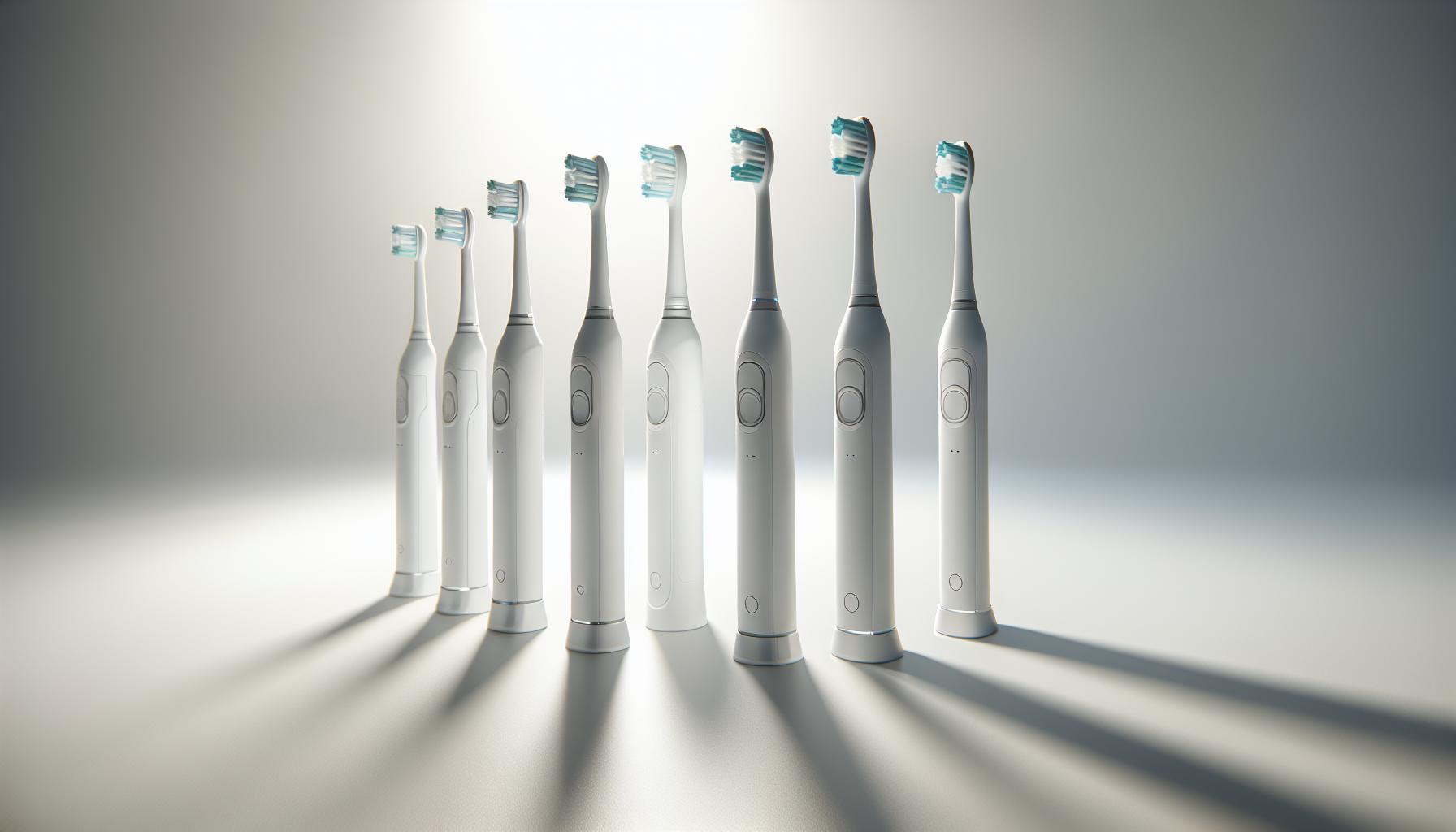
Best Electric Toothbrush for Braces: Top Models for Perfect Cleaning
Discover the best electric toothbrushes for braces that ensure thorough cleaning and optimal oral health. Empower yourself …
Toothbrush ergonomics and technology compare manual ultra-soft bristles, oscillating-rotating heads, and high-frequency sonic vibrations for optimal plaque removal with zero abrasion.
Evaluating vibration speeds, battery endurance, and clinical plaque removal rates across market leaders.
Specialized bristle profiles designed to navigate orthodontic brackets without shredding or lodging.
The efficacy and safety of a toothbrush depend heavily on its filament engineering. Stiff, hard nylon bristles with sharp, sheared ends inflict micro-lacerations on the marginal gingiva and accelerate cervical notch abrasion. In biological dentistry, we strictly prescribe ultra-soft, end-rounded polyester filaments (such as Curen fibers) with filament diameters under 0.1 millimeters.
When paired with sonic oscillations (exceeding 300 Hertz), ultra-soft filaments vibrate rapidly enough to create turbulent hydrodynamic acoustic micro-bubbles in surrounding fluids. This shears away microbial colonies up to 4 millimeters beyond the physical reach of the bristle tips, providing superior interdental cleaning while preserving delicate gum margins.
| Toothbrush Category | Mechanical Action & Velocity | Optimal Clinical Application |
|---|---|---|
| High-Frequency Sonic | Side-to-side sweeping (31,000 – 62,000 vpm) | Ideal for gentle sulcular debridement, sensitive teeth, and gum recession |
| Oscillating-Rotating | 3D round-head rotation with pulsating micro-taps | High mechanical stain removal; excellent for patients with robust, thick gum biotypes |
| Ultra-Soft Manual (Curen) | Manual precision with >5,000 ultra-dense micro-filaments | Gentle post-surgical care, acute ulcerations, or patients who prefer manual control |
| Orthodontic Specialized | V-groove center bristles with outer long filaments | Fixed braces wearers requiring bracket wrap-around cleaning |
Hard and medium bristles cause irreversible damage. Over time, they act like sandpaper against the tooth enamel and delicate gums, causing gingival recession and exposing sensitive root surfaces.
Check your toothbrush bristles: if they become splayed, flattened, or curled outward after just a few weeks of use, you are pressing far too hard. Consider an electric toothbrush with an integrated pressure sensor that buzzes or lights up when you push too hard.
No. Quality electric toothbrushes fitted with soft bristle heads are completely safe for composite fillings, porcelain crowns, veneers, and dental implants.