
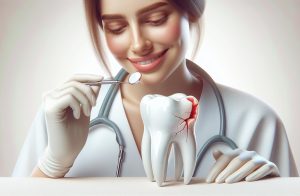
Ways to Fix a Chipped Tooth at Home Without Seeing a Dentist
Discover practical, at-home solutions for fixing a chipped tooth. From DIY dental wax to temporary filling options, …
DIY dental care encompasses safe, science-backed home oral health maintenance, natural non-toxic hygiene alternatives, and conservative protocols that support professional dental oversight.
Natural biofilm management using dietary enzymes, gentle cleansing, and remineralizing solutions.
Holistic protocols to support collagen synthesis, reduce oxidative gum stress, and improve vascular tone.
The rise of internet ‘life hacks’ has popularized numerous dangerous home dental practices, including brushing with pure lemon juice, abrasive charcoal scrubs, and DIY scaling with metal hooks. In biological dentistry, DIY care is strictly defined by non-toxic, non-abrasive interventions that respect the delicate biology of the oral microbiome and the microscopic structure of tooth enamel.
Safe home protocols leverage natural antimicrobial botanical extracts (such as diluted tea tree, myrrh, and clove oil), isotonic saline rinses, oil pulling with organic virgin coconut oil for mechanical plaque emulsification, and biomimetic nano-hydroxyapatite paste. These protocols support tissue healing without causing irreversible scratch marks on porcelain, enamel, or exposed roots.
| Home Dental Remedy | Scientific Assessment | Safety Level & Recommendation |
|---|---|---|
| Coconut Oil Pulling | Lauric acid exerts mild antimicrobial action; swishing mechanics loosen biofilm | Safe as a supplemental habit; does not replace brushing or flossing |
| Warm Saltwater Rinses | Isotonic/hypertonic osmotic effect reduces gingival edema and accelerates tissue healing | Highly recommended post-procedure or for minor gum irritation |
| Activated Charcoal Scrub | High Relative Dentin Abrasivity (RDA > 150) shears away outer protective enamel | Unsafe for daily use; causes irreversible tooth wear and micro-roughness |
| Hydrogen Peroxide (Unbuffered) | High concentrations (>3%) induce free-radical damage to pulpal tissues and mucosal burns | Use only professionally formulated, buffered low-concentration rinses |
No. Oil pulling cannot dissolve or remove hardened calculus (tartar). However, swishing oil for 10-15 minutes can emulsify soft lipids in bacterial membranes and reduce overall plaque accumulation.
Baking soda (sodium bicarbonate) has a very low abrasivity rating (RDA ~7) and effectively neutralizes oral acids. When used gently and occasionally, it safely removes surface stains without harming enamel.
A warm saltwater rinse (1/2 teaspoon of pure sea salt in 8 oz of warm water) swished for 30 seconds twice daily helps draw out fluid from inflamed tissues and creates an unfavorable osmotic environment for pathogens.


