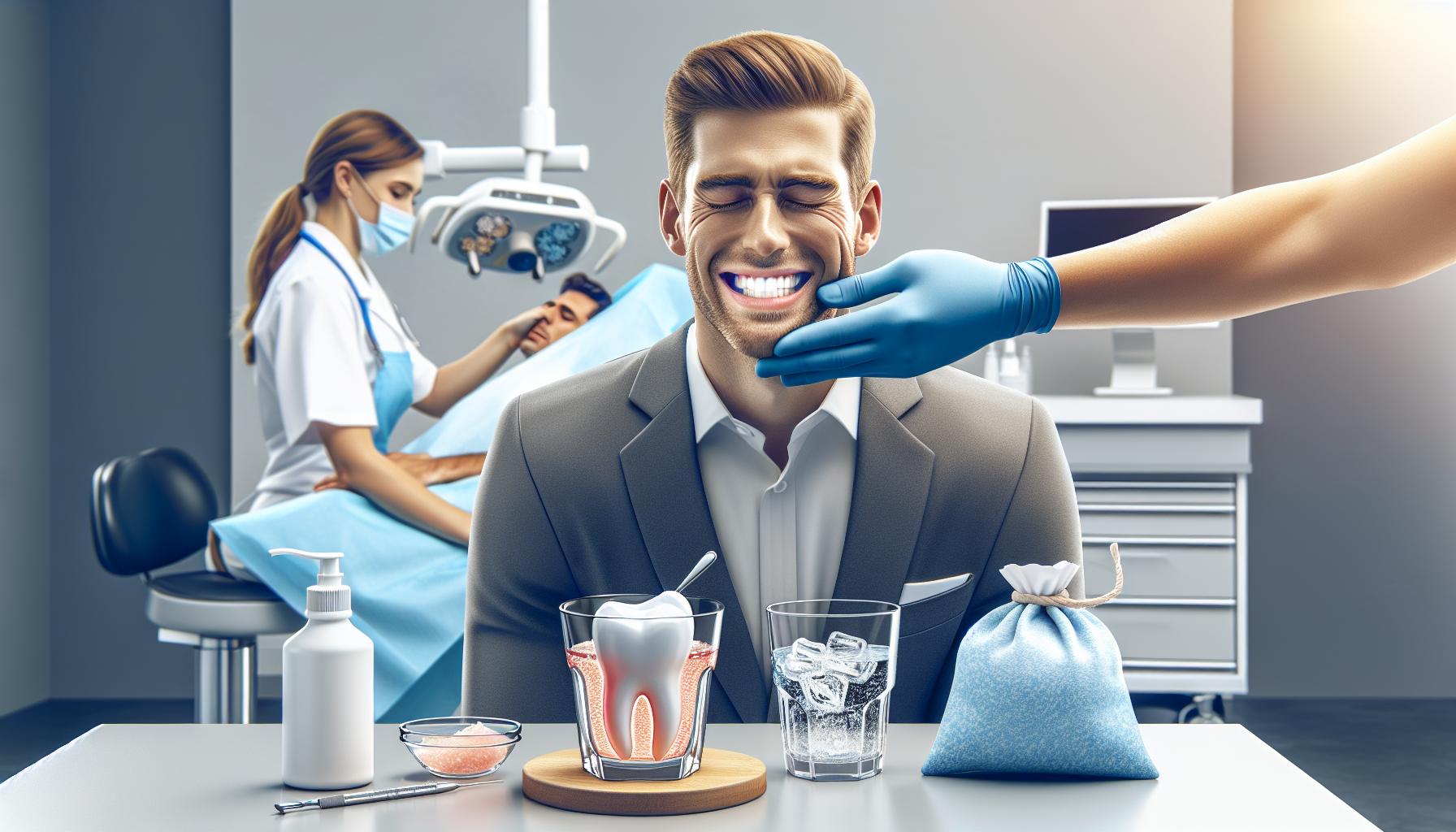
Teeth grinding, often an unconscious response to stress, can lead to notable damage and discomfort. Not onyl does it wear down enamel,but it can also affect overall dental health. Understanding effective repair options, like mouthguards and restorative procedures, is crucial for those seeking relief and restoration of their smiles.
Understanding Teeth Grinding: Causes and Effects on Your Dental Health

Did you know that as much as 10% of adults grind their teeth unconsciously? This phenomenon, known as bruxism, can lead to significant dental health issues if left unmanaged. As individuals grind their teeth, they exert excessive pressure on their jaws and teeth, resulting in a range of detrimental effects on oral health.
The causes of bruxism are varied, including both physical and psychological factors. Stress and anxiety are common triggers, where the body manifests tension through teeth grinding.Lifestyle choices, such as consumption of caffeine or alcohol, can exacerbate the problem. Othre contributing factors include sleep disorders,misaligned teeth or jaws,and even certain medications such as antidepressants. Understanding these triggers can be the first step in addressing the root causes and exploring effective treatment options.
The repercussions of teeth grinding are multifaceted. Over time, the constant friction can lead to significant wear on enamel, creating sensitivity and increasing the risk of fractured or chipped teeth. This not only affects aesthetic appearance but can also lead to more severe conditions requiring complex dental procedures. Additionally, bruxism can contribute to temporomandibular joint (TMJ) disorders, causing jaw pain, headaches, and sometimes even chronic discomfort, impacting overall quality of life.
To repair damage caused by teeth grinding,itS vital to take action early.Regular dental check-ups allow for early detection of bruxism-related issues, helping dentists reccommend appropriate strategies such as mouthguards or behavioral therapy. Moreover, adopting stress reduction techniques can significantly alleviate bruxism symptoms. Engaging in relaxation exercises, mindfulness practices, or simply reassessing lifestyle choices may prove beneficial in mitigating the pressures causing involuntary grinding. By tackling both the symptoms and the roots of bruxism, individuals can better protect their dental health and maintain a confident smile.
| Effects of Teeth Grinding | Potential solutions |
|---|---|
| Tooth sensitivity | Mouthguards, fluoride treatments |
| Chipped or worn-down teeth | Bonding, crowns |
| Jaw pain and headaches | Physical therapy, stress management |
| TMJ disorders | Orthotic devices, dental adjustments |
Recognizing the Signs of Worn Teeth: What to Look For
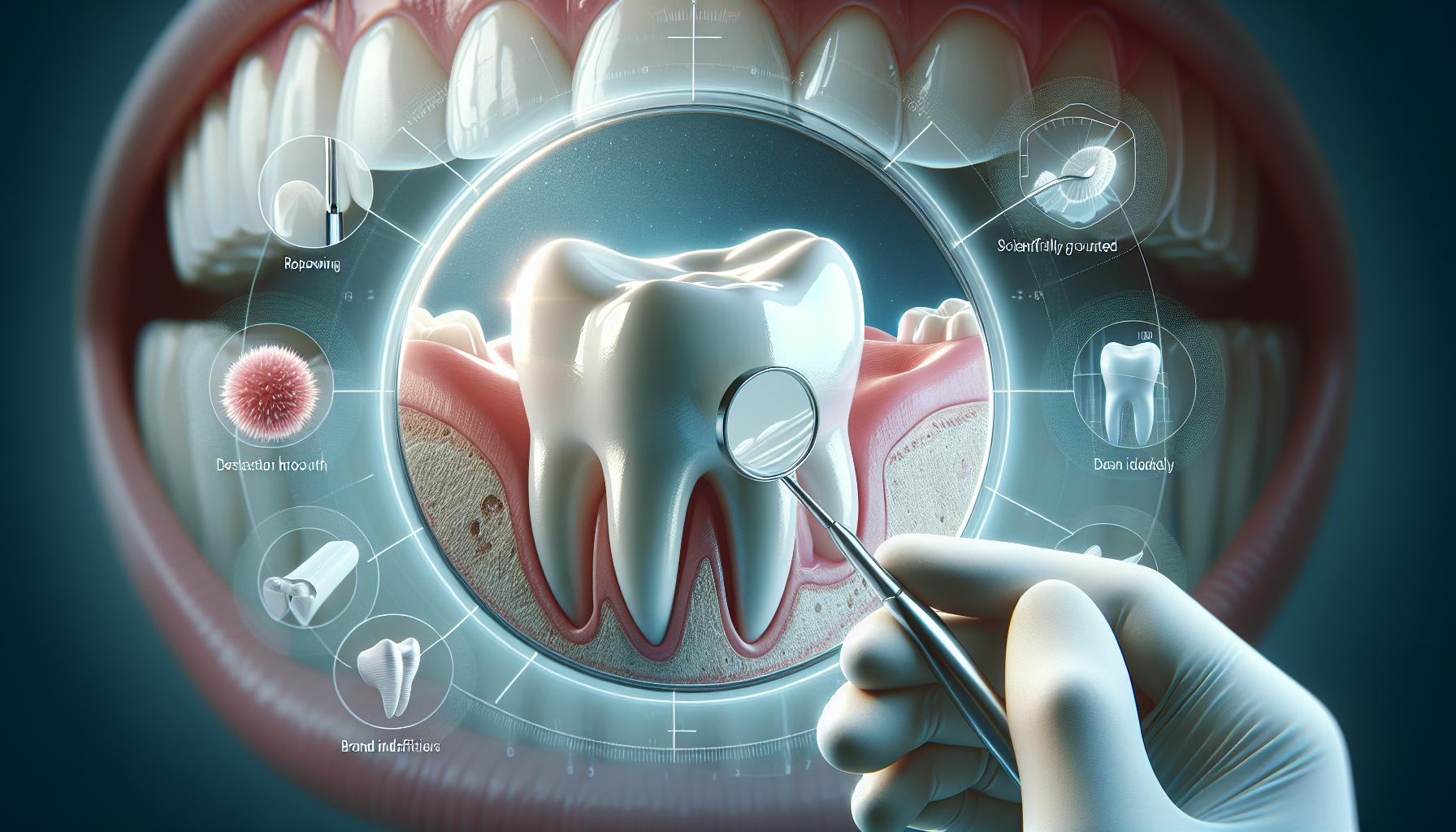
Identifying the Early Warning Signs
Many people are unaware that they might potentially be damaging their teeth through a common yet frequently enough unrecognized behaviour: bruxism, or teeth grinding. This involuntary clenching or grinding can lead to significant wear and tear on your teeth over time.Recognizing the signs early can help you take decisive action to prevent further damage. It is essential to be vigilant about changes in your dental health and overall comfort.
Common indications of worn teeth include:
- Visual Changes: Look for flattened biting surfaces on your molars or noticeable chips and cracks. These are clear indicators of excessive wear.
- Sensitivity: Increased tooth sensitivity to hot, cold, or sweet stimuli can signal that the enamel has been compromised.
- Jaw Pain: chronic jaw discomfort or frequent headaches, especially upon waking, frequently enough accompany bruxism.
- Disabled Dental Work: If crowns, fillings, or other dental work seem to be loosening or wearing down faster than expected, it might be a sign you are grinding your teeth unconsciously.
Behavioral and Physical Symptoms
Along with physical changes in your teeth, there are several behavioral symptoms associated with bruxism that can definitely help you recognize the problem. You might notice that you often experience tightness in the jaw muscles or a tendency to clench your teeth during stressful situations.
Symptoms can extend beyond just dental issues. Many individuals report waking up with their teeth feeling sore or having soreness in the muscles surrounding the jaw. Additionally, if someone has suggested that you grind your teeth at night or if there is excessive wear on your toothbrush, these can be good indicators that you should investigate further.
When to Seek Professional Help
if you observe any of these signs, it is indeed crucial to consult with a dental professional who can provide guidance on how to address the damage caused by bruxism. Early intervention is key, as untreated wear can lead to more severe issues, such as the need for crowns or even tooth extraction.
By understanding what to look for, you can take control of your oral health and explore options to fix the damage from teeth grinding. Regular dental visits and open communication about any symptoms will ensure that you receive appropriate care and preventive strategies to protect your smile.
Lifestyle Changes to Alleviate Teeth Grinding: Tips for Better Habits
Lifestyle Choices to Combat Teeth Grinding
Managing teeth grinding, or bruxism, often begins with recognizing the influence of daily habits on this condition. Stress and anxiety are significant contributors to teeth grinding, so incorporating relaxation techniques into your routine can have a profound effect. Methods such as deep breathing, yoga, or mindfulness meditation can help alleviate stress levels. Carving out time for these practices not only promotes relaxation but may also reduce the likelihood of grinding your teeth at night, thereby supporting your efforts in how to fix damage from teeth grinding.
Dietary adjustments can also play a crucial role in managing bruxism. Reducing the intake of stimulants like caffeine,frequently enough found in coffee,tea,and certain sodas,can lead to a noticeable decrease in grinding episodes. Rather, consider substituting these beverages with herbal teas or decaffeinated options. Alcohol consumption should also be moderated, as it can disrupt sleep patterns and exacerbate bruxism.Additionally, staying well-hydrated can minimize muscle tension, contributing further to relief from grinding.
To illustrate the impact of dietary choices on bruxism, here is a simple breakdown of beneficial vs. harmful foods:
| Beneficial Foods | Harmful Foods |
|---|---|
| Herbal teas | Caffeinated drinks |
| Magnesium-rich foods (spinach, nuts) | Sugary snacks |
| Whole grains | Alcohol |
| Lean proteins (chicken, fish) | Spicy foods |
consider evaluating your nightly routine. Establishing a calming bedtime regimen signals to your body that it’s time to wind down. Activities such as reading, taking a warm bath, or practicing gentle stretches can create a peaceful transition to sleep, minimizing the chances of nighttime teeth grinding.Remember, the journey toward alleviating the symptoms of bruxism frequently enough requires multiple approaches. by making these lifestyle modifications, you can significantly enhance your efforts to learn how to fix damage from teeth grinding while fostering your overall well-being.
Professional Assessment: When to Consult a Dentist for Teeth Grinding
Identifying the Need for Professional Assessment
Approximately 10% of adults experience bruxism, a condition characterized by grinding, gnashing, or clenching of teeth, frequently enough done unconsciously. If you’re noticing signs of wear on your teeth or experiencing jaw pain, it’s crucial to consult a dentist. Early intervention can save you from more severe dental issues in the future, such as extensive tooth damage or misalignment, which may require complex and costly treatments.
Signs Indicating the Need for a Dental Consultation
Consider scheduling an appointment if you encounter any of the following symptoms:
- Visible Tooth Damage: Look for signs of wear, such as cracks, chips, or excessive polishing of the tooth surface.
- jaw Pain or Stiffness: Frequent headaches or discomfort when chewing may indicate bruxism.
- Disrupted Sleep Patterns: If you’re waking up feeling unrefreshed or experiencing night-time teeth grinding, these could be critical indicators.
- Changes in Bite: A shifting bite or misaligned teeth can stem from prolonged grinding, necessitating professional assessment.
Early recognition of these symptoms allows your dentist to devise a tailored treatment plan, which may include interventions detailed in “How to Fix Damage From Teeth Grinding: Repair Options for Worn Teeth.”
The Role of a Dentist in Managing Bruxism
during a dental exam, your dentist will assess your oral health, examining for indicators of bruxism. This can include observing tooth enamel wear and identifying any additional dental complications. The evaluation can also extend to an assessment of your jaw function and alignment. In many cases, dentists recommend custom night guards to protect teeth from grinding forces while you sleep, preventing further wear and potential damage.
| Professional Assessment Elements | Outcome |
|---|---|
| Patient History Review | Identify patterns and triggers for bruxism. |
| Oral Examination | Detect wear, chips, and alignment issues. |
| Jaw Function Evaluation | Assess for tenderness and range of motion. |
| Custom Treatment Planning | Develop strategies tailored to mitigate grinding effects. |
Understanding when to consult a dentist regarding teeth grinding is essential for maintaining dental health. By addressing issues early and collaborating with your dental care provider,you can explore effective strategies to repair damage and reduce the risk of future complications,aligning perfectly with the insights provided in “How to Fix Damage From Teeth Grinding: Repair Options for Worn Teeth.”
Effective Repair Options: Restorative Treatments for Damaged Teeth
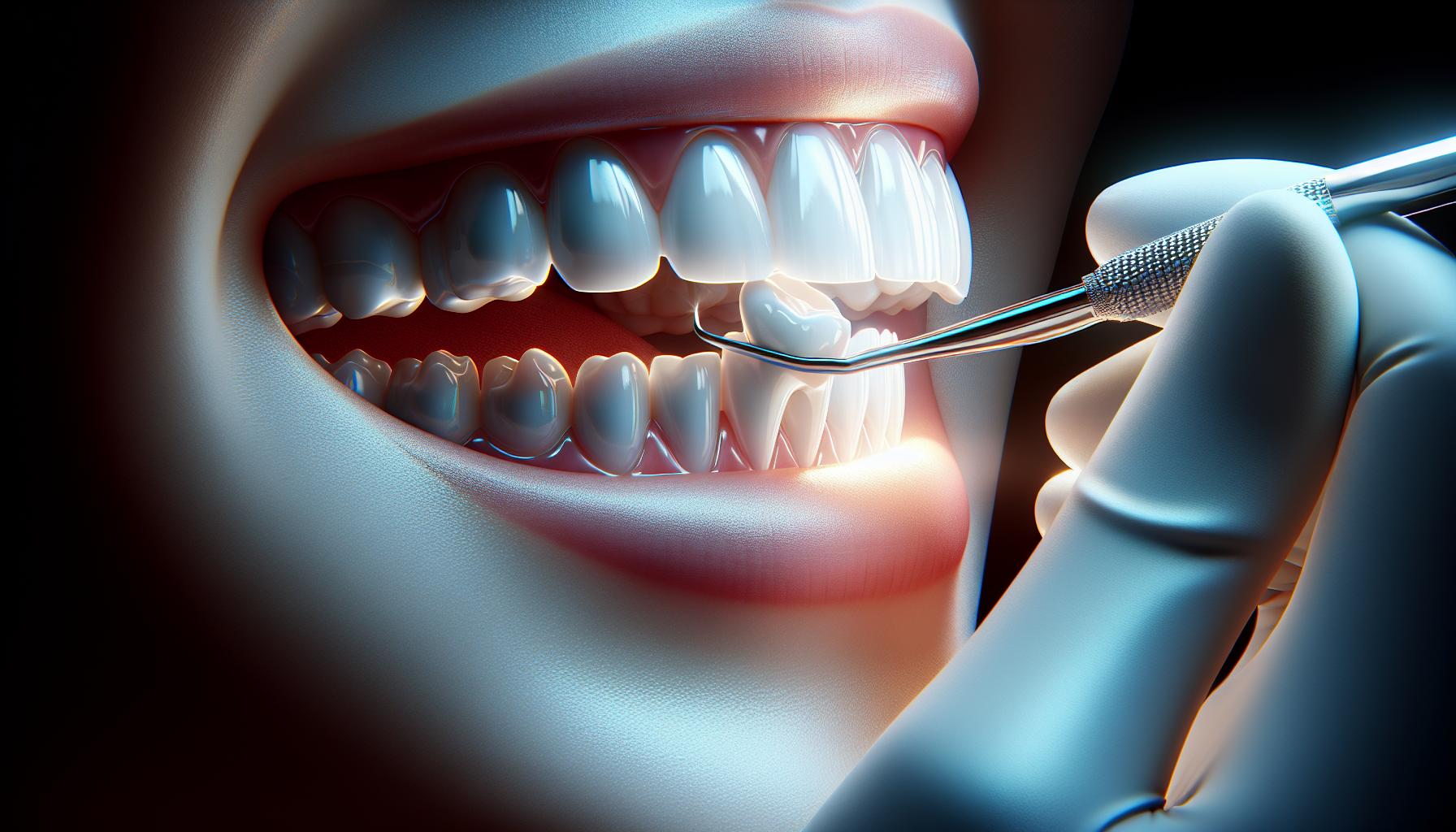
Understanding the Impact of Teeth Grinding
Teeth grinding, or bruxism, can lead to significant wear and damage of the teeth, resulting in a range of dental issues. This condition often occurs unconsciously,notably during sleep,and the prolonged grinding can wear down the enamel,create fractures,or even shift teeth. If you’ve experienced these symptoms, it’s vital to seek effective repair options tailored to restore your teeth to their optimal condition.
Restorative Treatments for Worn Teeth
When contemplating how to fix damage from teeth grinding, various restorative treatments are available. Here are some of the most effective options:
- Cosmetic Bonding: This process involves applying a tooth-colored resin to the affected area, effectively masking chips or cracks. It is indeed a speedy and relatively inexpensive solution suitable for minor damage.
- Porcelain Veneers: For more significant wear, veneers can be custom-made to fit over your existing teeth, providing durability and a natural appearance. These thin shells can cover the front surface of teeth, enhancing both strength and aesthetics.
- Dental Crowns: When teeth are extensively damaged, crowns may be recommended. These caps encase the entire tooth to restore its shape, size, and function, offering long-lasting protection against further grinding.
Choosing the Right Treatment
The choice among these treatments depends not only on the extent of the damage but also on your specific dental needs. Consulting with a dental professional can provide insights tailored to your situation. Frequently enough, dentists will recommend a combination of these procedures to ensure comprehensive care. For instance, severe grinding might necessitate crowns alongside an overnight mouth guard to prevent future damage.
| Treatment | Best For | Average Cost |
|---|---|---|
| Cosmetic Bonding | Minor chips and wear | $300 - $600 per tooth |
| porcelain Veneers | moderate to high wear | $800 - $2,500 per tooth |
| Dental Crowns | Severe damage | $800 – $3,000 per tooth |
Addressing the repercussions of teeth grinding is crucial not only for aesthetic reasons but also for overall dental health. Implementing restorative treatments early can mitigate long-term effects,ensuring your smile remains both stunning and functional.
Custom Night Guards: your first Line of Defense Against Grinding
Understanding the Importance of Custom Night Guards
Did you know that up to 40 million Americans suffer from teeth grinding, medically known as bruxism? This often subconscious behavior can lead to severe dental issues, including worn enamel, cracked teeth, and jaw pain. One of the most effective strategies to combat this problem is to invest in a custom night guard. unlike generic models, custom night guards are meticulously designed for your unique dental structure, ensuring optimal comfort and protection.
Custom night guards serve as a protective barrier between your upper and lower teeth, absorbing the force of grinding and clenching. This is crucial not only for mitigating immediate damage caused by bruxism but also plays a significant role in preventing long-term complications outlined in discussions about how to fix damage from teeth grinding.These guards can minimize the wear on your teeth, thereby reducing the need for extensive dental repairs in the future.
Benefits of Choosing Custom Over Boil-and-Bite
While there are various options available, such as boil-and-bite mouth guards, the benefits of custom night guards far outweigh the alternatives. Here are a few key advantages:
- Personalized Fit: Custom night guards are made from molds of your teeth, ensuring they fit perfectly and do not affect your speech or comfort during sleep.
- Durability: Constructed from high-quality materials, custom guards are typically more durable than their boil-and-bite counterparts, often lasting for several years.
- Enhanced Protection: They provide superior cushioning against grinding forces, significantly reducing the risk of damage to your teeth and jaw.
By investing in a custom night guard, you can proactively address and manage the symptoms of bruxism. This is an essential step for anyone looking to maintain their dental health and longevity.
Making the Right Choice for Your Oral Health
When considering a custom night guard, reputable providers like ClearClub and Cheeky offer tailored solutions that cater to your specific needs. As an example, ClearClub offers custom night guards starting at $95, providing a balance of affordability and quality【2】. Cheeky also emphasizes specialized crafting to ensure optimal protection against the harmful effects of grinding【3】.
Remember, addressing issues related to teeth grinding early on is crucial. Not only can a custom night guard offer immediate relief and protection, but it also helps you sidestep more elaborate and costly repair options down the line, making it a smart investment in your overall dental health.
Exploring Cosmetic Solutions: how to Improve the Appearance of Worn Teeth
Did you know that more than 30% of adults in the U.S. suffer from some form of teeth grinding, also known as bruxism? This common issue can lead to significantly worn teeth, affecting both aesthetics and oral health. Fortunately, there are numerous cosmetic solutions available to restore their appearance and functionality.
Understanding the Aesthetic Impact of Worn Teeth
Worn teeth can result in a variety of dental issues, including decreased self-esteem and changes in facial structure. The enamel, which serves as the tooth’s protective layer, wears away, leading to discoloration, unevenness, and even cracks. Thankfully, advancements in cosmetic dentistry have paved the way for effective restorative treatments.If you’re looking to enhance your smile, it’s vital to explore options that not only restore the function of your teeth but also improve their appearance.
Popular Cosmetic Solutions
A variety of treatments are available to address the aesthetic concerns of worn teeth. Here are some of the most popular methods:
- Dental Bonding: This procedure involves applying a tooth-colored composite resin to the surface of worn teeth. It is particularly effective for minor chips and cracks.
- Dental Crowns: Crowns encase the entire tooth, providing strength and improving appearance dramatically. They are ideal for severely worn or damaged teeth.
- veneers: These thin shells of porcelain or resin are custom-made to cover the front surface of the teeth, improving their shape and color. Veneers are an excellent option for extensive wear and can provide a dramatic transformation.
- Inlays and Onlays: These are used when a tooth has extensive decay or damage but is too strong to require a full crown.They can restore the contour of the tooth while providing a natural look.
Choosing the Right Treatment
Selecting the most suitable treatment depends on the extent of wear and the individual’s specific dental needs. Consultation with a cosmetic dentist is crucial,as they can provide tailored recommendations based on the condition of your teeth and desired outcomes.
| Treatment | Ideal For | Benefits |
|---|---|---|
| Dental Bonding | Minor chips and cracks | Quick and cost-effective |
| Dental Crowns | Severely worn or damaged teeth | Strengthens and restores functionality |
| Veneers | Extensive wear, discoloration | Natural appearance and durability |
| Inlays/Onlays | Extensive decay but strong tooth | Preserves tooth structure while restoring tooth |
With personalized cosmetic solutions available, individuals suffering from the effects of wear can regain confidence in their smiles.Whether through bonding, crowns, or veneers, modern dentistry offers effective ways to improve the appearance of worn teeth. Always consult with a professional before choosing a treatment to ensure optimal results that align with your dental health needs.
Long-Term Strategies: Maintaining Dental Health After Repair
Understanding the Importance of Maintenance
Maintaining dental health after undergoing repairs for teeth damaged by grinding is crucial to prevent further deterioration and ensure the longevity of any treatments received. Teeth grinding, or bruxism, can not only lead to immediate damage but also predispose individuals to challenges such as increased wear, cracks, and even tooth loss if left unaddressed. This makes it vital to adopt a proactive approach to oral care post-repair.
Implementing Daily Oral hygiene Practices
To maintain the integrity of repaired teeth, a robust oral hygiene routine is essential. This includes:
- Brushing twice a day with fluoride toothpaste to strengthen enamel and hinder decay.
- Flossing daily to remove plaque and food particles between teeth, areas a toothbrush might miss.
- Using an antibacterial mouthwash to reduce bacteria levels in the mouth and promote overall oral health.
Furthermore, it’s significant to visit a dentist regularly for check-ups and professional cleanings, which can help detect any issues early and ensure any repairs remain effective.
Consider Lifestyle Adjustments
In addition to maintaining a strong oral hygiene routine, lifestyle changes can significantly contribute to long-term dental health. Here are a few recommended strategies:
- Manage Stress: Stress often exacerbates teeth grinding. Techniques like yoga, meditation, or deep breathing exercises can be beneficial.
- avoid Stimulants: Cutting back on caffeine and nicotine can reduce the urge to grind teeth.
- Wear a night Guard: Custom-fitted night guards can prevent further damage during sleep by providing a cushioning effect over teeth.
By making these adjustments, individuals can create an surroundings that minimizes the risk of returning to harmful grinding habits.
Nutrition’s Role in Dental Repair Maintenance
A well-balanced diet plays a pivotal role in maintaining dental health, especially after restoration procedures for worn teeth. Here’s how:
| Food Type | Benefits for Dental Health |
|---|---|
| Dairy Products | High in calcium and phosphates, which strengthen enamel. |
| Crunchy Vegetables | Stimulate gums and help clean teeth naturally. |
| Fruits | Provide essential vitamins and hydration; however, choose low-sugar options. |
Incorporating these food types into your meals not only supports oral health but also aids in the repair of tooth structure and function.
By focusing on these comprehensive strategies post-repair from teeth grinding damage, you can significantly enhance the longevity of your dental health and enjoy a brighter, healthier smile for years to come.
Supporting Overall Well-Being: Stress Management Techniques for Teeth grinding
Teeth grinding, often driven by stress, is a common issue that can lead to significant dental problems if not addressed effectively. Understanding how to manage stress is crucial for anyone experiencing bruxism, especially in the context of repairing the damage caused by this habit. When tension takes over, it not only influences our mental well-being but also manifests physically in ways that can wear down teeth, leading to the need for various repair options.
effective Stress Management Techniques
To combat the underlying causes of teeth grinding and support overall well-being, incorporating stress management techniques can prove beneficial.Here are some approaches to consider:
- Regular exercise: Engaging in physical activity for at least 30 minutes a day has been shown to reduce stress and improve mood. Activities like jogging, yoga, or even brisk walking can definitely help lower cortisol levels and contribute to a calmer mind, reducing the likelihood of grinding teeth at night [[3]](https://www.oaktreefamilydental.com/blog/take-charge-of-stress-management-to-reduce-your-teeth-grinding-habit/).
- Mindfulness and Meditation: Practices such as meditation and deep-breathing exercises have been shown to effectively decrease stress levels.Taking 10-20 minutes daily to focus on mindfulness can definitely help you cultivate a state of relaxation, lessening the impulses to grind your teeth.
- Sufficient Sleep: Quality sleep is essential for managing stress levels. Establishing a bedtime routine that promotes relaxation—like reading or taking a warm bath—can significantly improve sleep quality and reduce bruxism occurrences.
- Professional Help: If stress seems overwhelming, speaking to a therapist can provide valuable coping strategies to manage anxiety and emotional stress, thereby reducing teeth grinding episodes. Cognitive Behavioral Therapy (CBT) is particularly effective for this.
Creating a Relaxing Environment
The environment we inhabit can dramatically influence stress levels. Here are some adjustments you can make to create a more serene living space:
- Declutter: A tidy space contributes to a tidy mind. Eliminating clutter can help minimize feelings of being overwhelmed.
- Aromatherapy: Utilizing essential oils, such as lavender or chamomile, can promote relaxation and improve mood, making it easier to unwind.
- Technology break: Limiting exposure to screens, especially before bed, can help reduce anxiety and improve your quality of sleep.
By incorporating these stress management techniques, you can reduce the risk of teeth grinding and take proactive steps towards maintaining dental health.Addressing the stressors in life not only alleviates symptoms but also nurtures overall well-being,ultimately contributing to the success of any restorative procedures identified in methods for repairing damage from teeth grinding.
Q&A
What is teeth grinding and how does it cause damage?
Teeth grinding, medically known as bruxism, occurs when a person involuntarily grinds or clenches their teeth. This can lead to significant wear, cracks, and even tooth loss, making it crucial to understand how to address the damage.
When grinding teeth,the pressure can wear down the enamel,leading to sensitivity and increased risk of cavities. Regular grinding can also cause the jaw muscles to become strained, intensifying pain and discomfort. Seeking professional help is essential if symptoms persist.
How to fix damage from teeth grinding: repair options for worn teeth?
Repairing damage from teeth grinding usually involves restorative dental procedures, such as dental crowns, bonding, or veneers. These options can restore function and appearance effectively, depending on the extent of the wear.
dental crowns are ideal for severely damaged teeth, as they cover and protect the tooth structure. For less extensive wear, bonding uses a resin material to rebuild the tooth’s shape. Additionally, veneers can improve the aesthetic appearance of front teeth. Individual treatment plans should be discussed with a dentist.
Can I prevent further damage from teeth grinding?
Yes,you can prevent further damage from teeth grinding by using tools like a custom oral night guard. These devices protect your teeth during sleep and can significantly reduce further wear.
Additionally, managing stress through relaxation techniques, such as yoga or mindfulness, can help reduce grinding episodes. Consulting your dentist for specific recommendations tailored to your condition is essential for lasting solutions.
Why do I grind my teeth, and what can I do about it?
Teeth grinding can result from various factors, including stress, anxiety, and misalignment of teeth. Understanding the root cause is key to effectively addressing the issue.
Therapies such as cognitive-behavioral therapy (CBT) may help manage stress and anxiety leading to bruxism. Regular dental check-ups are also vital for monitoring your oral health and assessing for any needed adjustments.
What are the signs of teeth grinding?
common signs of teeth grinding include tooth wear, jaw pain, and headaches. If you experience these symptoms, it’s important to consult with a dentist.
Some individuals may not notice they grind their teeth until they experience symptoms. Regular dental exams can help you identify bruxism early before it causes more damage. Look for any changes in your oral health and habits.
Can teeth grinding lead to other dental issues?
Yes, teeth grinding can lead to several dental issues, including worn-down teeth, cracks, and even damage to dental restorations. It’s essential to address bruxism to prevent these complications.
Additionally,tooth wear can result in increased sensitivity and more significant dental treatment needs over time. Managing bruxism proactively can protect your overall dental health.
How often should I see a dentist for bruxism-related issues?
Regular dental visits, ideally every six months, are recommended to monitor the condition of your teeth and address any bruxism-related issues promptly.
During these visits, your dentist can assess any wear and recommend appropriate treatments or interventions to further protect your teeth. Keeping open communication with your dentist about any symptoms can lead to better outcomes.
In Retrospect
addressing the damage caused by teeth grinding involves exploring several effective restorative options including dental crowns, composite bonding, and porcelain veneers. Each of these treatments can help restore the appearance and functionality of worn teeth, ensuring you regain your confident smile. Additionally, consider preventive measures, such as using mouthguards or mouth splints, to protect your teeth from future grinding.It’s essential to consult with a dental professional to determine the best course of action tailored to your specific needs. By taking proactive steps and seeking the right care, you can effectively manage the impact of bruxism and maintain optimal oral health. Don’t hesitate to reach out for further information or to schedule a consultation—your journey to a healthier smile starts here!
Get our latest guides, news, and insights highlighted in your Google Search & AI Overviews.