
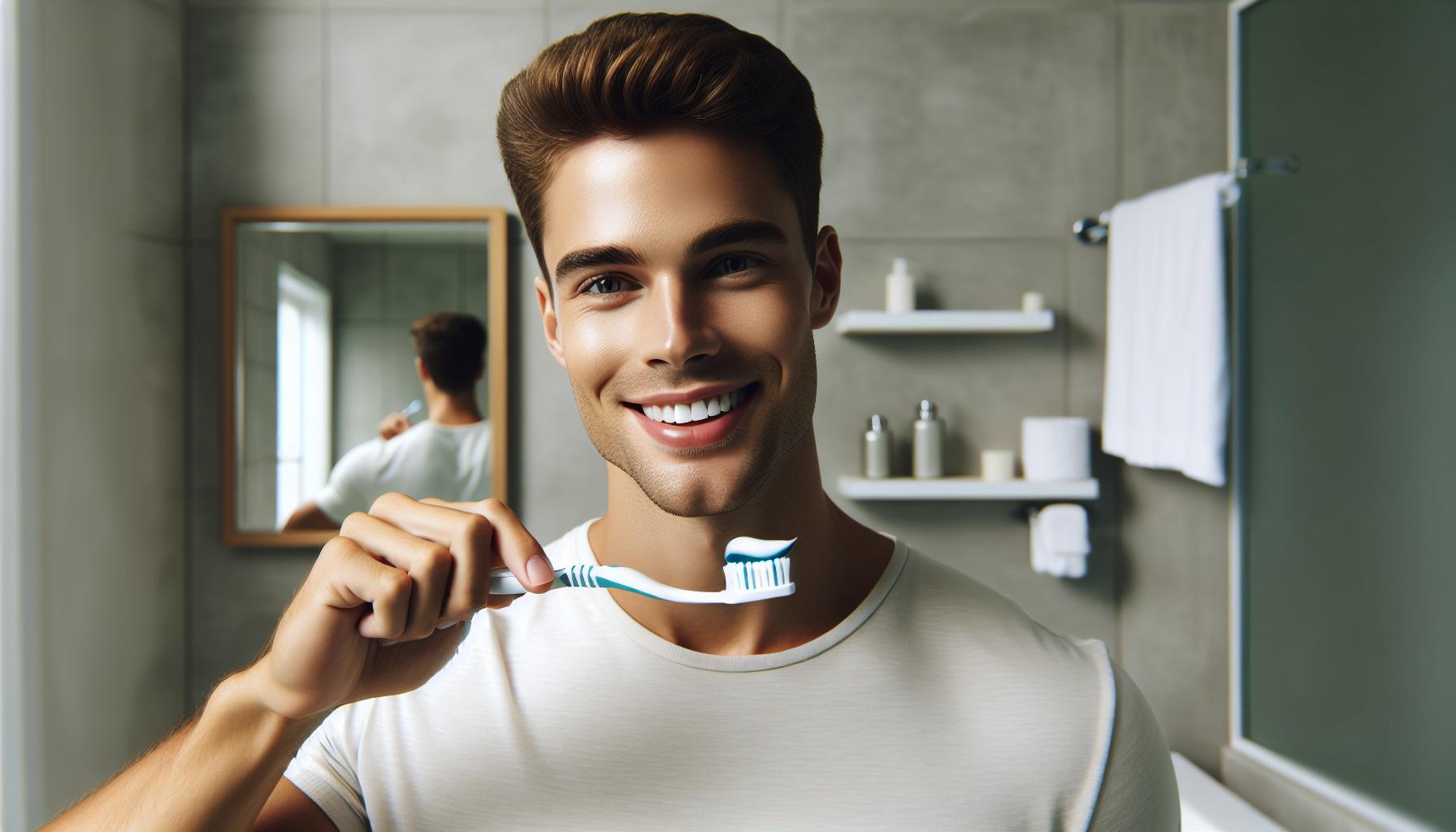
Achieving a radiant smile can often feel elusive, as discoloration from age, diet, and lifestyle choices takes its toll on teeth. Seeking effective and safe methods to brighten your smile at home is essential not just for aesthetics but also for boosting confidence. Explore proven techniques that dentists recommend for a whiter, healthier grin without breaking the bank.
Understanding Teeth Discoloration: the Invisible Causes Behind Stains
Tooth discoloration is a common concern that can significantly impact a personS confidence. While many might attribute these stains to obvious factors like diet or hygiene, several lesser-known causes play a crucial role in the gradual yellowing or darkening of teeth. Understanding these invisible causes can definitely help in choosing the best way to whiten your teeth at home effectively.
Common Causes of Discoloration
teeth discoloration can stem from various sources, many of which are not promptly apparent. Below are some of the most important contributors:
- Genetics: Just as some people inherit the colour of their eyes or hair, tooth enamel color can also be hereditary. Some might naturally have yellower enamel.
- Aging: As you age, the enamel on your teeth wears down, revealing the yellowish dentin underneath. This natural process can make teeth appear dull and discolored.
- Environmental Factors: Exposure to certain minerals in well water or high levels of fluoride can lead to stains. its essential to be aware of your water source and its mineral content.
Lifestyle Factors
In addition to genetics and natural aging,lifestyle choices play a significant role in teeth discoloration,often in ways people may not realize:
- Medication: Some medications,especially certain antibiotics such as tetracycline,can cause tooth discoloration when taken during tooth development.
- Acidic Foods and Beverages: Common items like citrus fruits and soda can erode enamel over time, leading to discoloration. The acid can wear down the protective layer, making teeth more susceptible to staining from external sources.
- Habitual Tobacco Use: Whether smoking cigarettes or chewing tobacco, these habits can lead to stubborn stains that are arduous to remove, deeply embedding themselves in the tooth’s surface.
Understanding the Impact
Recognizing these invisible causes of tooth discoloration is pivotal to addressing the issue effectively. For those seeking the best way to whiten your teeth at home,a tailored approach considering these factors is vital. Making informed choices about diet, oral hygiene, and consulting dental professionals about underlying health conditions can significantly enhance your whitening efforts.
By understanding the various causes of teeth discoloration, you can actively mitigate risk factors and maintain a brighter, healthier smile. Whether opting for expert-approved techniques or natural remedies, a comprehensive understanding empowers you to take charge of your oral aesthetics confidently.
Expert-Recommended Natural Remedies for Whitening

Natural Remedies for Brightening Your Smile
If you’re seeking a brighter smile without the harsh chemicals frequently enough found in commercial whitening products,some expert-backed natural remedies can work wonders. These methods not onyl enhance your oral aesthetics but also align with a more holistic approach to dental care.
- Baking Soda and Hydrogen Peroxide: This dynamic duo is renowned for its stain-lifting properties. Baking soda acts as a mild abrasive that helps scrub away surface stains, while hydrogen peroxide serves as a natural bleaching agent. A simple paste can be created by mixing equal parts of baking soda and hydrogen peroxide. Apply this mixture to your toothbrush and gently brush your teeth for about two minutes twice a week for noticeable results [[2](https://www.healthyandnaturalworld.com/how-to-naturally-whiten-your-teeth-at-home/)].
- oil Pulling: an ancient practice, oil pulling involves swishing a tablespoon of coconut or sesame oil in your mouth for 15-20 minutes. This technique not only whitens teeth but also promotes overall oral health by reducing plaque and bacteria [[3](https://www.webmd.com/oral-health/ss/slideshow-natural-teeth-whitening)].
- Activated Charcoal: Known for its detoxifying properties, activated charcoal can be employed to help remove stains.Use it sparingly by wetting your toothbrush and dipping it into the charcoal powder before brushing gently. Rinse thoroughly afterward [[3](https://www.webmd.com/oral-health/ss/slideshow-natural-teeth-whitening)].
- Fruits and Vegetables: Crunchy, raw produce like apples, carrots, and celery can help maintain oral health by acting as natural abrasives. These foods stimulate saliva production, which helps wash away food particles and acids that can stain teeth [[1](https://www.healthline.com/nutrition/whiten-teeth-naturally)].
Guidelines for Safe Whitening Practices
While the desire for whiter teeth is common, it’s essential to approach natural whitening remedies with caution to avoid damaging your enamel. Here are a few best practices to keep in mind:
| technique | Frequency | Potential Risks |
|---|---|---|
| Baking Soda and Hydrogen Peroxide | Twice a week | Enamel erosion if used excessively |
| Oil Pulling | Daily | Allergic reactions to oils (rare) |
| Activated Charcoal | Once a week | Abrasiveness may damage enamel |
| Fruits and Vegetables | Daily | None if consumed as part of a balanced diet |
Embracing these natural methods can elevate your oral hygiene routine while delivering a brighter smile. By following these expert-recommended techniques, you can safely achieve whiter teeth at home and contribute positively to your overall dental health.
The Science of Whitening: How Different Techniques Work

Understanding the mechanics behind teeth whitening can empower you to make informed choices about how to achieve that bright smile. Various techniques have been developed, each based on unique scientific principles. These methods range from professional treatments to natural remedies, all designed to combat tooth discoloration.
Chemical Whitening Agents
one prevalent method involves the use of hydrogen peroxide or carbamide peroxide, which are common ingredients in over-the-counter whitening products.These agents work by infiltrating the enamel and breaking down the complex molecules that contribute to stains. When applied correctly, they can yield significant results; though, it’s crucial to use these chemicals according to instructions to avoid enamel erosion or increased sensitivity.
Physical Abrasion Techniques
An option approach focuses on physical abrasion methods, such as using baking soda toothpaste. Baking soda is mildly abrasive, allowing it to physically scrub away surface stains on the teeth. Studies indicate that toothpastes containing baking soda can effectively brighten teeth and improve overall dental health due to its gentle cleansing properties [2]. While this technique is safe and accessible, individuals should use it sparingly to prevent damaging enamel over time.
Natural Remedies and Their Effects
Another popular avenue involves natural remedies like oil pulling and eating certain foods. As an example, coconut oil pulling is believed to help reduce plaque and significantly improve oral hygiene without exposing teeth to harsh chemicals [2]. Though, while many users report positive results, scientific evidence is still limited. Incorporating a balanced diet rich in crunchy fruits and vegetables can also aid in maintaining whiter teeth by acting as a natural abrasive and detergent while reducing stain build-up.
A Comparison of Techniques
| Technique | Effectiveness | Safety | Cost |
|---|---|---|---|
| Hydrogen Peroxide Whitening | high | Moderate (risk of sensitivity) | Moderate |
| Baking soda Toothpaste | Moderate | High (if used sparingly) | Low |
| Oil Pulling | Varies | High | Very Low |
Choosing the best way to whiten your teeth at home can involve experimenting with different techniques to find what works best for you. By understanding how each method operates on a scientific level, you can select options that are safe, effective, and suited to your particular needs.
At-Home Whitening Kits: What to Look For and What to Avoid
understanding At-Home whitening Kits
Choosing the right at-home teeth whitening kit can make all the difference in achieving a brighter smile without the expense of professional treatments. One key factor to consider is the active ingredients in the whitening formula.Options that contain either hydrogen peroxide or carbamide peroxide are typically more effective at breaking down stains and discoloration on your teeth. According to dental experts, these ingredients are proven to deliver noticeable results when used as directed [1].
What to Look For
When exploring at-home whitening options, it’s crucial to evaluate various aspects of the product. Consider the following points:
- Ingredients: look for kits that explicitly list hydrogen peroxide or carbamide peroxide as their active ingredients.
- Deployment Method: Kits come in various forms—strips, gels, pens, and LED treatments. Choose the format that aligns with your lifestyle.
- Request Time: Some products require longer or multiple applications per day. Assess how much time you can dedicate to the whitening process.
- Effectiveness and Reviews: Research user reviews and before-after photos to gauge the kit’s effectiveness. products backed by positive feedback tend to deliver better results [2].
What to Avoid
While there are many effective kits on the market, some can lead to dissatisfaction or even harm. Here’s what to steer clear of:
- Non-Proven Ingredients: Avoid products that do not list clinically tested active ingredients. some may use unknown or ineffective whitening agents.
- Overly Aggressive Formulas: Kits with exceptionally high concentrations of peroxide can cause tooth sensitivity or gum irritation. It’s crucial to balance effectiveness with safety.
- Unverified Claims: Products that promise unrealistic results in an unreasonably short time frame should raise red flags. Always opt for brands that provide evidence-backed claims.
Ultimately,the best way to whiten your teeth at home involves a thoughtful approach to selecting the right kit. By paying attention to ingredients, application methods, and user experiences, you can avoid common pitfalls and embark on your journey to a dazzling smile with confidence.
Incorporating Dietary Changes for a Brighter Smile
Dietary Changes to Enhance Your Smile
Did you know that incorporating specific dietary changes can significantly enhance your tooth whitening efforts? After committing to techniques from the Best Way to Whiten Your Teeth at Home: Expert-Approved Techniques, it’s crucial to focus on what you eat and drink to maintain that radiant smile. The foods you choose can either work in your favor,helping to keep your teeth free from stains,or hinder your progress with unwanted discoloration.
To start, adopting a white Diet is highly recommended after any whitening treatment. This temporary restriction, typically lasting for at least 24 hours post-procedure, involves consuming foods and beverages that are least likely to stain your newly whitened teeth. Here’s a speedy overview of what to include:
- Foods: Plain yogurt, white rice, chicken, fish, and potatoes.
- drinks: Water, coconut water, and clear juices.
- Snacks: Cauliflower,apples,and light-colored bread.
Avoiding richly colored foods and drinks, such as coffee, red wine, and tomato sauce, is essential, as these can easily lead to staining. Additionally, it’s wise to steer clear of acidic substances like vinegar and citrus juices, which can erode enamel and increase susceptibility to discoloration[2].
To further nurture your oral health, maintaining a balanced diet with plenty of fruits and vegetables is beneficial. Foods high in fiber, such as crunchy apples and carrots, can naturally scrub your teeth while you chew. Furthermore, dairy products rich in calcium actually help strengthen your enamel, allowing you to preserve that bright smile longer. Paying attention to these dietary choices is key for anyone following the Best Way to Whiten Your Teeth at Home: Expert-Approved Techniques, ensuring each whitening session delivers the best possible results.
| Food Group | Recommended Items | Avoid |
|---|---|---|
| Protein | Chicken, Fish | Barbecue Sauce, Dark Sauces |
| dairy | Plain Yogurt, Milk | Colored Cheeses |
| Fruits and Vegetables | Cauliflower, Apples | Beets, Berries |
| Beverages | Coconut Water, Water | Soda, Red Wine |
Incorporating these dietary changes not only helps in preserving the results from your whitening treatments but also promotes overall oral health. By making mindful choices, you are investing in a brighter, healthier smile!
Maintaining Your Pearly Whites: Daily Habits for Long-Term Results
Transforming Your Smile: daily Practices for Lasting Brightness
Every smile tells a story, and maintaining the brilliance of yours is essential for first impressions. Embracing a few key daily habits can significantly enhance and prolong the results of your at-home whitening efforts.These proven techniques not only help to keep your teeth looking their best but also support overall dental health.
Daily Oral Hygiene practices
Establishing a robust oral hygiene routine is fundamental in preventing stains and maintaining that dazzling sparkle. Here are essential components to incorporate:
- Brush Twice Daily: Use a fluoride toothpaste that helps combat stains while being gentle on enamel. A soft-bristle toothbrush is recommended.
- Floss daily: Flossing removes food particles and plaque that brushing may miss, thus preventing discoloration between teeth.
- Use a Mouthwash: Incorporate an antibacterial mouthwash to help minimize plaque buildup and keep your breath fresh.
Dietary Choices Impacting Whiteness
Your diet plays a crucial role in the longevity of your whitening results. Foods that can stain your teeth include coffee, red wine, and certain berries.Consider the following strategies to maintain your pearly whites:
- Stay Hydrated: Drinking water throughout the day not only supports overall health but helps wash away food particles and bacteria.
- Choose Crunchy Fruits and Vegetables: Apples, carrots, and celery can naturally scrub your teeth while providing essential nutrients.
- Limit Sugary Foods: Reducing sugar intake helps prevent tooth decay,which can lead to discoloration.
Regular Dental Check-ups
To keep your teeth in peak condition,regular visits to your dentist are essential. Schedule professional cleanings at least twice a year,allowing your dentist to remove tartar and assess the health of your teeth. Additionally, discussing your whitening regimen with a professional can help tailor your approach and ensure that you are using the best methods available, as recommended by expert-approved techniques.
By integrating these daily habits,you can maximize the benefits of your whitening endeavors,making them last longer and keep your smile vibrant and healthy.
When to Seek Professional Help: Red Flags in At-Home Whitening
When it comes to achieving a brighter smile,at-home whitening products have become increasingly popular and accessible. However, while many of these solutions can be effective for mild discoloration, they may also pose risks if not used correctly. Recognizing the warning signs that indicate when you should seek professional help is crucial, as ignoring these red flags can lead to unwanted side effects and even long-term damage to your dental health.
Identifying Red Flags in At-Home Whitening
While at-home whitening techniques can yield satisfactory results, there are key indicators that signal the need for professional intervention. If you experience any of the following symptoms, it’s time to consult with your dentist:
- Persistent Sensitivity: A common side effect of whitening treatments is increased tooth sensitivity. If your teeth remain sensitive to hot, cold, or sweet stimuli long after treatment, this could indicate overuse of whitening agents or an underlying dental issue.
- Gum Irritation: If your gums become red, inflamed, or painful during and after using whitening products, stop immediately. This irritation can be a sign of chemical burns caused by the whitening agents.
- Uneven Whitening: achieving uniform results is often challenging with at-home kits. If you notice patchy or uneven whitening,notably if one area is significantly lighter or darker than others,professional treatment might potentially be necessary to correct these inconsistencies.
- Allergic Reactions: Signs of an allergic reaction, such as swelling, itching, or a rash in the mouth, can be concerning. Such reactions require immediate medical attention and should never be ignored.
Understanding the Risks of Overusing Whitening Products
Many individuals fall into the trap of believing that more frequent or concentrated treatment will yield faster results. However, this can backfire dramatically. Overusing at-home whitening products can lead to severe enamel erosion, making teeth more prone to cavities and other dental issues. It’s essential to follow the instructions provided with any at-home whitening product and to adhere to recommended frequencies of use.
| Symptom | action Required |
|---|---|
| Persistent Sensitivity | Consult dentist for evaluation |
| Gum Irritation | Discontinue use and seek dental advice |
| Uneven Results | Contact dentist for professional treatment options |
| allergic reactions | Seek immediate medical attention |
while the best way to whiten your teeth at home can be effective and convenient,it’s vital to stay vigilant for symptoms that indicate you should seek professional help.By monitoring your oral health and recognizing these red flags, you can ensure a safe and effective whitening journey that leads to a dazzling, healthy smile.
Safety First: Best Practices for Whitening your Teeth at Home
Effective and Safe Practices for Home Teeth Whitening
When it comes to achieving a dazzling smile, safety should be your top priority. Many individuals turn to at-home teeth whitening solutions for convenience and cost-effectiveness, but not all methods are created equal. Understanding the best practices can help you navigate the options available while ensuring your dental health remains intact.To start, it’s crucial to choose whitening products that have been certified or recommended by dental professionals. Look for whitening kits or toothpaste that contain hydrogen peroxide or carbamide peroxide as active ingredients, as these are proven effective for breaking down stains without overly damaging your enamel. Additionally, custom-fit trays from your dentist can be more beneficial than one-size-fits-all options, providing better contact with your teeth and minimizing gum irritation.
- Read the Instructions: Always follow the manufacturer’s guidelines on application time and frequency.
- limit usage: Avoid overusing whitening products to prevent sensitivity or damage.
- Stay Hydrated: Drink plenty of water to help reduce the acidity in your mouth after whitening.
Monitoring Sensitivity and Results
During your whitening journey, it’s essential to monitor your teeth for any signs of sensitivity or discomfort. If you experience heightened sensitivity, consider reducing the frequency of application or taking breaks between whitening sessions. Many experts recommend staring off with lower concentrations of whitening agents, especially if you are trying a new product.Another effective approach is to complement your whitening routine with desensitizing toothpaste. This can aid in minimizing discomfort while still allowing you to achieve whiter teeth. Paired with proper oral hygiene practices,such as brushing with fluoride toothpaste and regular dental check-ups,you can maintain both the health of your teeth and the longevity of your whitening results.
| Whitening Method | Effectiveness | Safety |
|---|---|---|
| Over-the-counter Whitening Kits | Moderate to High | Generally Safe if Used as Directed |
| professional In-Office Treatments | High | Very Safe with Guidance |
| Home Remedies (e.g., Baking Soda) | Low to Moderate | Risk of enamel Erosion |
By integrating these best practices and using reputable products, you can safely achieve a brighter smile at home. The best way to whiten your teeth at home is not just about choosing the right product but also about understanding how to use it wisely and responsibly.
Frequently Asked Questions
What is the best way to whiten your teeth at home?
The best way to whiten your teeth at home often includes using whitening strips, gels, and specially formulated whitening toothpaste. these methods can effectively reduce stains and enhance the brightness of your smile.
Incorporating over-the-counter whitening products is a safe and convenient option. Look for products that have the ADA Seal of Acceptance to ensure effectiveness and safety.
How do whitening strips work?
Whitening strips contain a thin layer of gel with hydrogen peroxide, which adheres to your teeth and breaks down stains over time.
To use them, apply the strips to teeth for the recommended duration—usually about 30 minutes. Regular use can lead to noticeable results in just a few days.
Can I whiten my teeth if I have sensitive teeth?
yes, individuals with sensitive teeth can still whiten their teeth at home. Look for sensitivity-friendly whitening products designed for sensitive teeth.
These products frequently enough contain lower concentrations of hydrogen peroxide and ingredients to help reduce sensitivity, making them gentler on your enamel. always consult your dentist if you experience discomfort.
Why do my teeth become discolored?
Teeth can become discolored due to various factors including food and drink stains, smoking, aging, and poor dental hygiene.
Common culprits include coffee, tea, red wine, and tobacco. Maintaining a good oral hygiene routine and seeking professional dental cleanings can help minimize discoloration.
How long does it take to see results from at-home whitening?
Results from at-home whitening products can generally be seen within 1 to 2 weeks, depending on the product used and the level of staining.
For instance, whitening strips typically show results by the end of their application period.Remember to follow the instructions for optimal results and safety.
Are there any natural methods to whiten my teeth at home?
Yes, natural methods like using baking soda or activated charcoal can help whiten your teeth, although results may vary.
These methods work by removing surface stains. However,it’s essential to use them sparingly to avoid enamel wear. Always consider consulting a dentist before trying new methods.
Can I use lemon juice for teeth whitening?
While lemon juice has natural whitening properties due to its acidity, it’s not recommended for teeth whitening due to potential enamel erosion.
Instead, consider safer alternatives like commercial whitening products that have been tested for safety. Maintaining a balanced approach goes a long way in preserving dental health.
How often can I whiten my teeth at home?
For most at-home whitening products, it’s best to limit use to once every 6 months to prevent damage to your enamel.
Consult the product instructions for specific recommendations, as some formulas may allow for more frequent use. Regular check-ups with a dentist are also advised to monitor your dental health.
Final Thoughts
Achieving a brighter smile from the comfort of your home is entirely possible with the right techniques and products. We’ve explored expert-approved methods that not only enhance your smile but also prioritize your dental health. From using ADA-approved whitening toothpaste to gentle at-home kits, there are safe and effective options available for everyone. Remember, while home whitening can yield impressive results, maintaining good oral hygiene and regular dental check-ups are essential for long-lasting effects.As you embark on your teeth whitening journey, embrace these empowering strategies, and feel confident in the steps you’re taking towards a radiant smile. For further insights and personalized recommendations, don’t hesitate to reach out to your dentist or explore additional resources on maintaining your oral health. Your journey to whiter teeth starts today—let’s make it a bright one!


