Chips and cracks in your teeth can be a source of discomfort and self-consciousness, frequently enough leaving you seeking a solution. Fortunately, at-home dental bonding offers a convenient and effective way to restore your smile. This article explores easy techniques that empower you to fix minor imperfections like a pro, ensuring your confidence shines through.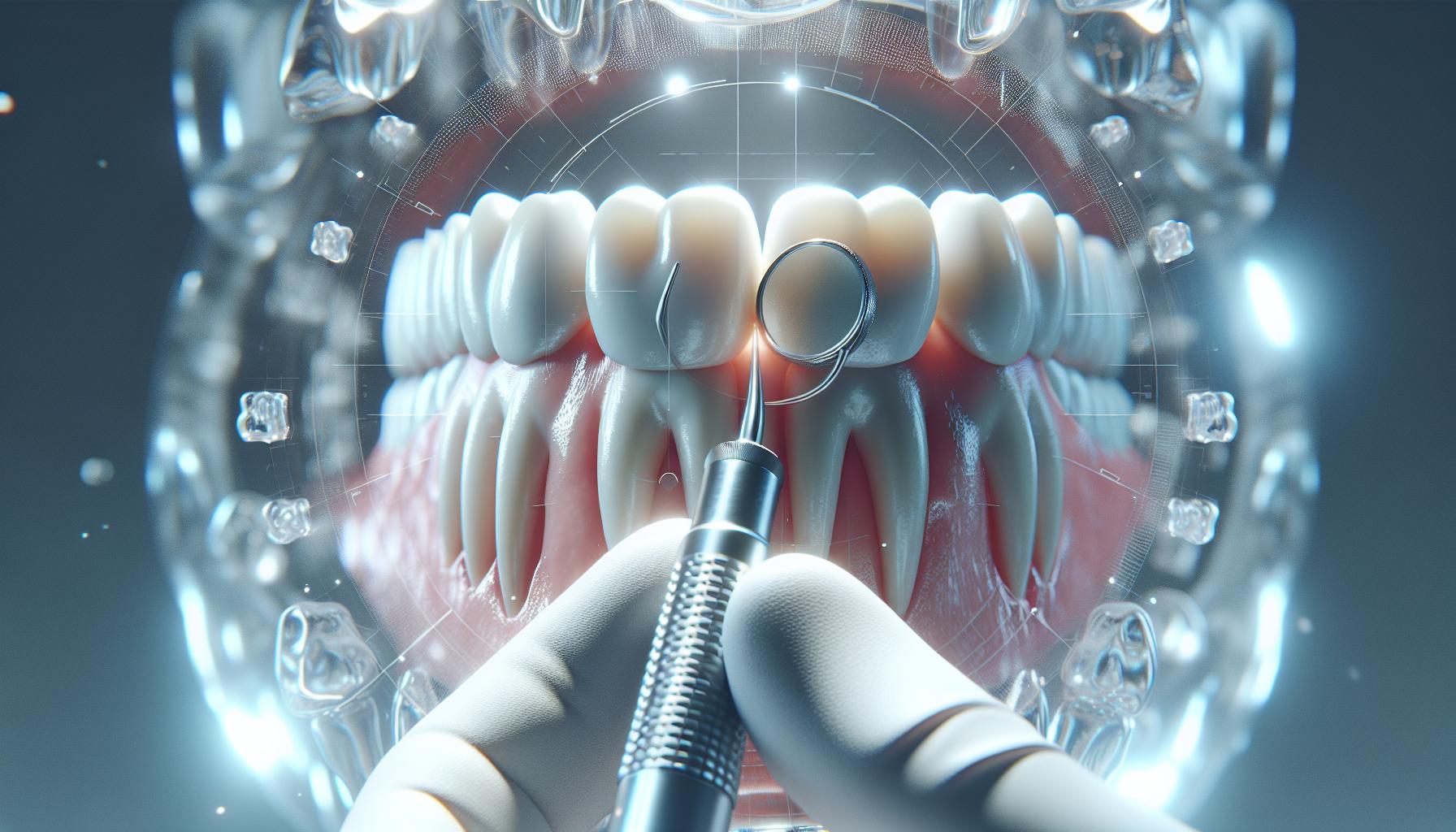
Understanding Dental Bonding: What It Is and How It Works
did you know that dental bonding can not only enhance your smile but also act as a protective cover for damaged teeth? This innovative dental procedure utilizes a tooth-colored composite resin that is expertly applied to repair a variety of imperfections,such as chips,cracks,and gaps. In an era where many are seeking effective solutions for common dental concerns, understanding how dental bonding works is key to achieving that flawless finish at home or in a professional office setting.
dental bonding is a straightforward and versatile treatment option. The submission process begins with your dentist selecting a shade of resin that closely matches your natural teeth. After preparing the tooth surface with a gentle etching solution, the resin is carefully molded and shaped to fill the imperfection. Once in place,a special light is applied to harden the material,ensuring a strong and durable bond. This technique is especially beneficial for those looking to perform at-home dental bonding becuase the materials and methods available today are designed to be user-friendly and effective for minor repairs.
benefits of Dental Bonding
- Cost-Effective: compared to other cosmetic procedures, dental bonding is generally less expensive.
- Quick and Painless: The procedure can typically be completed in one visit, and it usually requires no anesthesia.
- Natural Appearance: The composite resin can be closely matched to the natural color of your teeth, making repairs virtually invisible.
- versatile uses: It can be used for a range of issues, from filling cavities to enhancing the overall appearance of your smile.
Moreover, for those interested in performing repairs at home, several products on the market mimic professional dental bonding techniques without the need for a dentist’s chair. These at-home kits often include similar composite materials and application tools, providing an empowering option for individuals looking to fix minor chips and cracks themselves. When executed properly, at-home dental bonding can restore the integrity of your smile while saving both time and money, making it a popular choice for those proactive about their dental health. For best results, ensure you follow manufacturer instructions closely and consult with a professional for any significant damage or uncertainty.
Essential Tools and Materials for At-Home Bonding
When it comes to enhancing your smile, at-home dental bonding can be an excellent solution for fixing chips and cracks in your teeth. However, achieving professional results requires the right tools and materials. with the proper setup, you can confidently handle minor dental repairs while saving time and money on trips to the dentist.
Must-Have Tools
To embark on your at-home dental bonding journey, equip yourself with an essential toolkit that will facilitate the bonding process. Here’s a list of crucial tools you’ll need:
- Dental Bonding Material: Look for composite resin specifically designed for dental repairs. this comes in various shades to match your natural tooth color.
- Etching Gel: This is crucial for preparing the tooth surface and ensuring a strong bond between the resin and the tooth.
- Small Dental Instruments: Items such as probes and spatulas will help manipulate the bonding material precisely.
- Curing Light: A portable LED light helps harden the resin quickly, making for a more efficient repair.
- Disposable gloves: Keep everything hygienic—gloves protect both you and your mouth from bacteria.
Essential Materials
In addition to the tools mentioned, you’ll also need a few key materials to achieve your desired result. These materials should be of high quality to ensure durability and effectiveness.
| Material | Purpose |
|---|---|
| Composite Resin | For filling chips and cracks; available in various shades. |
| Bonding Agent | Enhances adhesive properties between the tooth and resin. |
| Polishing Discs | To smoothen and polish the finished repair for a natural appearance. |
Having the right materials at hand not only streamlines the bonding process but also elevates the quality of the repair. Remember, patience and precision are key; take your time to ensure each step is executed correctly. A well-prepared workspace, combined with these essential tools and materials, will help you confidently tackle chips and cracks, ultimately leading to a refreshed and beautiful smile. Whether you’re looking to make minor adjustments or undertake more significant repairs, being equipped with the right resources will empower you to fix chips and cracks like a pro right from the comfort of your home.
Step-by-Step Guide: Repairing Chips and Cracks with Ease
Did you know that minor chips and cracks in your teeth can be easily repaired at home with the right techniques and materials? At home dental bonding is a surprisingly accessible option that empowers you to take control of your dental aesthetics and health. Here’s a comprehensive step-by-step guide to help you restore your smile and fix those annoying chips and cracks like a pro.
Gather Your Materials
Before diving into the repair process, it’s essential to gather all necessary materials. Here’s what you’ll need:
- Dental bonding kit: Look for a kit that includes bonding resin and a curing light.
- sandpaper: Fine-grit sandpaper will help smooth the area around the chip or crack.
- Rust-proof scissors: For any adjustments you may need to make to composite strips.
- Toothbrush and toothpaste: For initial cleaning of the affected area.
- Mirror and good lighting: To ensure you can see what you’re doing clearly.
Preparation: Cleaning and Smoothing the Area
The first step in any home dental repair is to prepare the affected area for bonding. Start by thoroughly brushing your teeth to remove any debris that could interfere with the adhesion process. Once your teeth are clean, you can use fine-grit sandpaper to smooth any rough edges around the chip or crack. This step creates a textured surface that enhances the bonding process.
applying the Bonding Material
With the area prepped, it’s time to apply the dental bonding resin. Follow these steps carefully:
- Mix the bonding resin according to the instructions provided in your dental bonding kit.
- Apply a small amount of the resin directly to the chip or crack, using a toothpick or a small applicator tool for precision.
- Mold the resin so that it seamlessly blends with the contour of your tooth. An critically important tip is to apply it in layers,allowing each layer to set before adding more for larger repairs.
- Cure the resin using the provided curing light if your kit includes one. This process can take a few seconds, and a good rule of thumb is to follow the manufacturer’s recommended setting time closely.
Finishing touches
once the bonding resin has cured completely, check to ensure a smooth finish. You can use sandpaper to refine the shape if necessary. After achieving a flawless surface, clean the area again with a toothbrush to remove any residue.rinse your mouth thoroughly with water to finish your DIY repair.
| Step | Action | Tip |
|---|---|---|
| 1 | Gather Materials | Ensure you have all items before starting |
| 2 | Clean & Smooth | Take your time with sandpaper for a smooth finish |
| 3 | Apply Bonding Resin | Work gradually, layer by layer |
| 4 | Cure Resin | Follow manufacturer’s timing instructions |
| 5 | Final Touches | rinse and clean for the best results |
By following these straightforward steps, you can effectively leverage at home dental bonding techniques to repair chips and cracks, improving both your smile and confidence. Always remember to consult with a dental professional if you’re uncertain about the process or if the damage is extensive. Happy bonding!
Tips for Achieving a Natural Finish After Bonding
Achieving a seamless look after completing at-home dental bonding can make a world of difference in your smile. After investing time and effort into fixing chips and cracks, you want to ensure that your results are nothing short of professional. Here are some practical tips to help you secure a natural finish that blends beautifully with your surrounding teeth.
Choose the Right Shade
One of the most critical steps in achieving a flawless finish is selecting the correct shade of bonding resin. The resin should mimic the natural color of your teeth. Many bonding kits come with shade guides that enable you to compare colors before applying.
- Lighting Matters: Always assess color in natural light to ensure accuracy.
- Consider Age and Wear: natural teeth can have subtle variations in color. Factor in these nuances to give your smile a more authentic appearance.
Preparation is Key
Proper preparation before applying the bonding material can significantly affect the final result. This step frequently enough gets overlooked but plays a critical role in how well the bonding adheres and how natural it looks.
- Clean the Surface: Use a gentle dental cleaner to remove plaque and surface stains before application. A clean canvas allows better adhesion and prevents discoloration.
- Roughen the Surface: Use a fine dental bur to slightly roughen the tooth surface where the bonding will adhere. This creates a better bond and contributes to a more organic look.
Techniques for Application
Applying the bonding resin skillfully can greatly influence its appearance. The key is to blend it seamlessly with your existing teeth.
- layering: Apply the bonding material in thin layers, curing each layer before moving on. This technique not only improves durability but also allows for better control over the shape and color.
- Feathering edges: Use a small brush or tool to feather the edges of the bonding resin, smoothing out transitions between the new material and your natural teeth.
Finishing Touches
Once the bonding is applied and cured, it’s essential to refine the appearance for a natural finish.
| Technique | description |
|---|---|
| Polishing: | Use a fine polishing disk or a soft cloth to gently polish the surface of the bonding material to match the shine of your teeth. |
| check Your Bite: | After finishing, bite down gently on a piece of wax or soft material to ensure that the bonding doesn’t affect your bite. |
| Final Touch-Up: | If needed, apply a small amount of tooth-friendly whitening toothpaste to enhance the shine and blend imperfections. |
By implementing these strategies,you can achieve a stunning and natural appearance after performing at-home dental bonding. Remember—the goal is to create a repair that not only fixes the issue but enhances the beauty of your smile without drawing attention to it.
When to Seek Professional Help: Knowing Your Limits
When considering at-home dental bonding kits to fix chips and cracks, it’s essential to recognize your limits. While DIY solutions can be effective for minor repairs,not every situation can be managed at home. Understanding when to seek professional help can save time, money, and prevent further damage to your teeth.
Assessing the Severity of Damage
The first step in determining whether professional intervention is necessary involves assessing the extent of the damage. Minor chips that only affect the enamel may be suitable for at-home bonding products, allowing you to achieve a smooth finish without the need for a dentist. Though, if you notice:
- Significant cracks: If a crack extends deep into the tooth or goes below the gum line, it may indicate a more serious issue that requires professional treatment.
- increased sensitivity: If you’re experiencing pain or increased sensitivity to hot or cold, it’s a sign that the damage could be more severe than initially perceived.
- Discoloration: A tooth that has darkened significantly might need more than a cosmetic fix.
These signs highlight the need for a professional evaluation to determine the best course of action.
Importance of Professional Expertise
While at-home dental bonding kits like those used for fixing chips and cracks can seem appealing due to their convenience and cost-effectiveness, thay lack the nuance and precision that a professional dentist provides. Expert dentists can perform procedures with attention to dental health, ensuring that any underlying issues are addressed and that the bonding material is applied in a way that blends perfectly with the natural tooth structure.
If you find yourself struggling with the application process or achieving the desired results,seeking professional assistance might potentially be wise. Misapplication of bonding materials can lead to aesthetic issues or even more dental problems down the road, necessitating further intervention.
Making the Right Decision
To make an informed decision, consider the following:
| Situation | recommended Action |
|---|---|
| Minor chip on front tooth | Try at-home bonding |
| Large crack or chip | Seek a dental professional |
| Persistent tooth pain | Consult a dentist instantly |
| Unsure about damage | Schedule an examination |
By evaluating your specific circumstances and recognizing when it’s time to rely on dental expertise, you can make better choices that protect your oral health. Engaging in at-home dental bonding can be an effective solution for minor issues, but recognizing your limits is crucial in achieving the best outcomes for your smile.
Precautions to Take Before You Start Bonding
Dental bonding can dramatically enhance the appearance of your teeth, transforming chips and cracks into a smooth, flawless smile. Before diving into this process, though, it’s essential to take a few critical precautions.Preparing adequately not only increases the chances of a successful outcome but also ensures your comfort and safety throughout the procedure. Here’s what you need to know before you start bonding at home.
Consult Your Dentist
One of the most important steps in preparing for any dental procedure is consulting with a dental professional. A dentist will evaluate your specific situation to ensure that bonding is the right solution for you, especially if you have underlying dental issues such as decay or gum disease.Discuss your expectations and any concerns you may have about the process. This professional insight can help you avoid complications and ensure that your bonding results are as good as they can be.
Gather Your Materials
Before starting,make sure you have all the necessary materials on hand. Missing even a single item can compromise the bonding process.Here’s a checklist of essential supplies:
- dental bonding material: Choose a high-quality composite resin that matches your tooth color.
- Etching gel: This helps prepare the surface of your tooth for bonding.
- Dental bonding adhesive: critical for ensuring a strong bond.
- Polishing kit: To achieve that perfect finish after the bonding is set.
- Protective gloves and a mask: Ensure hygiene and safety during the procedure.
Make sure you purchase these items from a reputable supplier to guarantee their effectiveness.
Assess Your Environment
The environment where you perform dental bonding is crucial for the quality of your results. Choose a well-lit, clean area where you can focus. Avoid distractions, as precision is vital in the bonding process. Here are some tips for creating an ideal workspace:
- Ensure good lighting; consider using a magnifying lamp if you need finer detail.
- Keep your area clean and sterile to reduce the risk of infection.
- Have a mirror nearby to check your work regularly.
- Consider listening to calming music to help maintain your focus.
Know the Risks
While dental bonding is largely safe when performed correctly, being aware of potential risks is essential. Some individuals may experience sensitivity after bonding. Make sure to plan for this by keeping some over-the-counter pain relief on hand. Additionally, avoid certain foods for at least 24 hours after the procedure to prevent damaging your fresh bond. Lastly, always follow the instructions provided with the materials you’re using, as manufacturer guidelines frequently enough contain critical safety information.
By taking these precautions before you start, you’ll pave the way for an effective at-home dental bonding experience, allowing you to fix chips and cracks like a pro.
Maintaining Your Bonded Teeth: Simple Care Tips
Did you know that maintaining your dental bond can significantly extend its lifespan? Just like regular maintenance on your vehicle keeps it running smoothly, caring for your bonded teeth ensures they remain healthy and aesthetically pleasing. The durability of dental bonding can last several years with the right upkeep, and adopting simple care practices can make all the difference.
Daily Care Routine
To keep your bonded teeth looking their best, it’s essential to develop a daily oral care routine. This routine should include:
- Brushing Twice Daily: Use a soft-bristled toothbrush and a non-abrasive toothpaste. This helps prevent discoloration and keeps your gums healthy.
- Flossing: Regular flossing removes plaque and food particles that can build up around the bonded areas. Be gentle to avoid disturbing the bonding material.
- Mouthwash: Incorporate an antibacterial mouthwash to reduce bacteria that can contribute to decay around bonded teeth.
These daily practices not only promote dental hygiene but also help maintain the integrity of your bonding.
Dietary Considerations
What you eat plays a crucial role in the upkeep of your bonded teeth. Here’s a simple guide to help you make sound food choices that will protect your dental bonding:
| Foods to Enjoy | Avoid |
|---|---|
| Soft fruits like bananas and berries | Hard candies and ice |
| Cooked vegetables | Crunchy snacks like chips |
| Whole grains | Citrusy foods (in excess) |
Sticking to softer foods minimizes the risk of damaging your bonding material, while avoiding overly acidic or crunchy items reduces the chances of wear and tear.
Regular Dental visits
Although maintaining your bonding at home is important, professional check-ups cannot be overstated. Schedule regular dental cleanings and examinations every six months to monitor the condition of your bonded teeth. These visits allow your dentist to identify any potential issues early, ensuring the longevity of your dental work. Additionally, professional cleanings can remove stains that normal brushing may not fully eliminate.
By integrating these actionable tips into your daily life, you can enjoy a bright smile and maintain the integrity of your improvements from at-home dental bonding. Remember,a little care goes a long way in preserving your dental health and aesthetic results!
Common mistakes to Avoid During At-Home Dental Bonding
When undertaking at-home dental bonding,many people are eager to achieve professional results but can unintentionally veer off course due to some common pitfalls. Understanding these issues can elevate your DIY project from subpar to spectacular, ensuring you fix those unsightly chips and cracks effectively.
Neglecting Proper surface Preparation
The key to successful bonding lies in how well the surface of your tooth is prepared. Failing to clean and dry the area thoroughly can lead to poor adhesion, compromising the longevity of your repair. Here are important steps to consider:
- Clean the Tooth: Use a gentle toothbrush and non-abrasive toothpaste to remove any plaque or debris.
- Dry the Area: Pat the tooth dry with a clean cloth or tissue. Moisture can interfere with the bonding process.
- Etch the Surface: Lightly etching the surface can improve adhesion. This can be done with a special bonding agent that many kits include.
Using the wrong Bonding Material
Selecting the appropriate bonding material is crucial. Not all products are created equal, and using substandard or incompatible materials can lead to failures. Here’s what you should keep in mind:
- Read the Instructions: Ensure the bonding material you choose is specifically designed for dental use.
- Check Compatibility: Confirm that the product is suited for the type of repair you’re making—different materials are required for fillings,chips,or cracks.
- Consider Shade Matching: Most kits come with color variations; pick a shade that closely matches your teeth to ensure a seamless finish.
Skipping the Curing process
Curing is essential to solidify the bonding material for lasting results. Many novice DIYers fail to properly set the material, leading to premature chipping or cracking after a short period. Here’s how to ensure the curing process is done correctly:
| Step | Instructions |
|---|---|
| Follow Timing Instructions | Adhere to the recommended curing times provided in your bonding kit—rushing can lead to issues. |
| Use UV light (if applicable) | If your kit includes a UV light, use it as directed to ensure the bonding agent sets properly. |
| Check for Hardness | After curing,gently tap the bonded area. If it feels soft or tacky,reapply and cure again. |
By avoiding these common mistakes in your at-home dental bonding process, you’ll be well on your way to achieving a finish that both looks good and stands the test of time.Proper preparation, material selection, and a rigorous focus on curing will significantly enhance your results, allowing you to fix chips and cracks like a pro.
The Benefits of Dental Bonding: Why Consider This Approach?
Did you know that nearly 30% of adults are unhappy with their smiles due to imperfections? Dental bonding offers a quick and effective solution for enhancing your smile and boosting your confidence without extensive treatments. This procedure utilizes a tooth-colored resin to repair chips, cracks, or gaps in your teeth, making it a versatile choice for those who seek both aesthetic and functional improvements.
The Advantages of Choosing Dental Bonding
when considering methods for repairing dental imperfections, dental bonding stands out for several reasons:
- Quick and Convenient: Many dental bonding procedures can be completed within a single visit. Unlike crowns or veneers, which frequently enough require multiple appointments, bonding allows you to achieve a new smile in just a few hours.
- Cost-Effective Solution: With the lower costs associated with dental bonding compared to more extensive treatments, it serves as a budget-friendly option for many.It offers a significant improvement without breaking the bank.
- Minimal Tooth Preparation: one of the key benefits is that bonding typically requires little to no alteration of your existing tooth structure. This conservative approach preserves your natural teeth while enhancing their appearance.
- Versatility: Dental bonding can be used to fix a variety of issues, from minor chips to larger gaps, and is even effective in changing the shape of a tooth or treating exposed roots.
Durability and aesthetic Appeal
Another reason to opt for dental bonding is its durability. Though it may not be as long-lasting as crowns or veneers, with proper care, bonded teeth can remain intact for several years. The material used in bonding is designed to withstand the daily wear and tear that teeth encounter, making it an excellent choice for those looking for both aesthetic and functional repairs.
To illustrate the procedure’s effectiveness, consider the case of Sarah, who had a small chip on her front tooth. after just one appointment for dental bonding, the chip was seamlessly repaired, and Sarah left the office with a smile she was proud to show off. Her story is evidence of how this quick fix can boost self-esteem and encourage a positive outlook.
For anyone considering solutions to enhance their smile,especially those inspired by the article ”At Home Dental Bonding: Fix Chips and Cracks Like a Pro,” it’s worth exploring this approach further. Whether you want to restore your confidence or simply make minor adjustments, dental bonding provides a reliable and efficient option to achieve a beautiful, functional smile.
FAQ
What is At Home Dental Bonding?
At Home Dental Bonding is a simple, DIY method to repair chips and cracks in teeth using a special dental adhesive or composite resin. It allows individuals to restore their teeth without visiting a dentist.
Using this method, you can apply the bonding material directly to the damaged area, effectively filling in imperfections. Kits typically include instructions and tools to help you achieve a professional-looking finish. for those interested in more permanent solutions, visiting a dental professional might be necessary.
How do I perform At Home Dental bonding?
Performing At Home Dental Bonding involves cleaning the affected tooth, applying an adhesive or composite resin, shaping it, and then curing it with a UV light. It’s essential to follow the specific kit’s instructions.
Start by thoroughly brushing and flossing your teeth before applying the bonding material. After shaping it to match the rest of your tooth, cure the resin to harden it. Regularly checking your results can definitely help ensure the best possible outcome and maintain your smile.
Can I fix large chips or cracks with At Home Dental Bonding?
No,At Home Dental Bonding is generally not suitable for large chips or cracks.It is designed for minor repairs. For more significant damage, professional dental care is usually required.
If you have a large chip or crack, it’s best to consult a dentist. They can provide lasting solutions such as crowns or veneers that will restore both function and aesthetics more effectively than at-home kits.
Why does dental bonding wear off?
Dental bonding can wear off due to factors like wear and tear from chewing, exposure to discoloring foods and drinks, or insufficient bonding technique. These elements compromise the longevity of the repair.
To maximize the lifespan of your dental bonding, practice good oral hygiene, and avoid hard foods that could chip the material. Regular visits to your dentist for check-ups can also help maintain the integrity of the bonding.
How long does At Home Dental Bonding last?
At Home Dental bonding typically lasts from a few months to several years, depending on its application and your oral care routine.proper maintenance plays a significant role in its durability.
You can extend the lifespan of the bonding by avoiding habits like nail-biting or using your teeth as tools. If you notice any changes, it’s wise to consult your dentist for advice on repair or replacement.
Can At Home Dental Bonding be removed?
Yes, at Home Dental Bonding can be removed, but it typically requires professional dental tools and expertise. If the bonding has become discolored or damaged,a dentist can safely remove it.
Once removed, your dentist can evaluate your tooth and suggest the best course of action, whether it be re-bonding or other restoration techniques. This emphasizes the importance of professional dental visits for comprehensive care.
Is At Home Dental Bonding safe?
Generally, At home Dental Bonding is safe when done correctly with recommended materials. Though, an improper application may lead to sensitivity or adverse reactions. It’s important to choose reputable products.
Before starting, perform a patch test with the bonding material to check for allergies. If you’re unsure,consult with your dentist to ensure you’re making a safe and informed decision.
Concluding Remarks
at-home dental bonding can be an effective way to address minor chips and cracks, empowering you to enhance your smile with confidence. By understanding the materials and techniques involved,as well as the limitations of DIY methods,you can achieve impressive results right from the comfort of your home. However, it’s important to recognize when to seek professional assistance to ensure the best outcomes for your dental health. For those curious about improving their smiles, exploring professional options further can provide valuable insights and tailored solutions. Embrace the journey towards a brighter smile—your confidence deserves it!
Get our latest guides, news, and insights highlighted in your Google Search & AI Overviews.