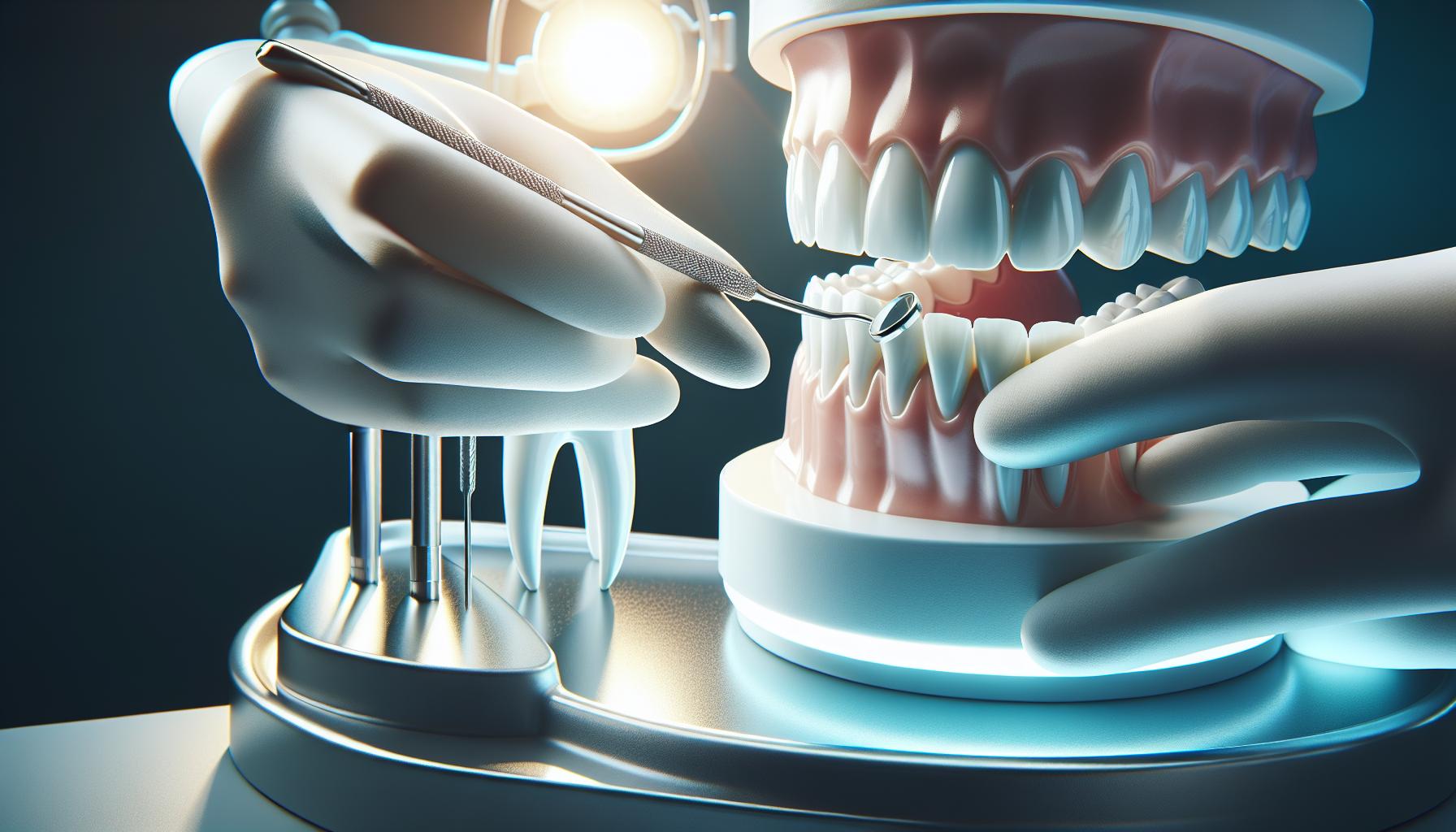
We’ve all experienced that uncomfortable moment when food gets stuck in our teeth, leaving us feeling self-conscious and distracted. Understanding effective ways to remove debris not only promotes oral hygiene but also enhances your confidence in social situations. Discover these seven dentist-approved techniques that tackle this common annoyance, ensuring a cleaner smile and healthier teeth.
Understanding Why Food Gets Stuck in Your Teeth

Food particles often playing a game of hide-and-seek between your teeth can be annoying and uncomfortable. Understanding why food gets stuck is the first step toward effectively dealing with it. Various factors contribute to this frequent occurrence, including the anatomy of your mouth, the types of foods you consume, and your dental hygiene practices.
The Anatomy of Your Teeth and gums
Our teeth are not perfectly smooth; they have various surfaces that can trap food. The spaces between your teeth, known as interproximal areas, are especially prone to accumulating debris. If you have dental work such as crowns, bridges, or fillings, these can create extra nooks and crannies that can hold onto food particles. An uneven bite or misaligned teeth can amplify this issue, making some areas more susceptible to retaining food than others.
food Choices matter
The types of food you eat also play a significant role in whether food gets stuck between your teeth. Foods high in fiber, such as raw vegetables and certain fruits, can easily become wedged in tight spaces, especially if your teeth are close together. On the other hand, sticky foods like caramel, taffy, or certain breads can adhere to your teeth, creating a stubborn situation. Keeping track of your dietary habits can thus be beneficial; adjusting your diet may help reduce the frequency of these annoying incidents.
Dental Hygiene Practices
A poor dental hygiene routine exacerbates the problem. If you don’t brush and floss regularly, plaque builds up and forms a sticky layer on your teeth.This plaque not only traps food particles but can also lead to cavities and gum disease. Incorporating daily flossing and regular dental checkups into your routine can definitely help keep your teeth cleaner,improving your defenses against food getting stuck. Utilizing tools like interdental brushes or water flossers can also reach spots that conventional toothbrushes might miss.
By understanding the reasons behind why food gets stuck in your teeth,you can take proactive measures. Whether it’s adopting better food choices, enhancing your dental care routine, or visiting your dentist regularly, these strategies will help you keep your smile clean and free from stubborn food particles.
The Importance of Oral hygiene in Preventing Food Buildup
The Critical Role of Oral Hygiene in Preventing Food Buildup
Did you know that neglecting your oral hygiene can lead to persistent food buildup between your teeth? This seemingly harmless result can escalate into more significant dental issues over time. Proper oral hygiene serves as a frontline defense against the accumulation of food particles, which, if left unattended, can result in plaque formation, gum disease, and even cavities. Regular brushing and flossing are essential practices that not only keep your breath fresh but also maintain the overall health of your gums and teeth.
Effective Routine Practices: Developing a routine that prioritizes extensive dental care can substantially reduce the risk of food buildup. Hear are some actionable steps to integrate into your daily oral hygiene routine:
- Brush Twice Daily: Use fluoride toothpaste and a soft-bristled toothbrush, spending at least two minutes each session to clean all surfaces of your teeth.
- Floss Daily: Flossing is crucial for removing food particles lodged between teeth that your toothbrush cannot reach. This step plays a vital role in preventing gum disease.
- Use Mouthwash: An antimicrobial mouthwash can help reduce plaque and kill bacteria that lead to food buildup.
Along with these basic practices, it’s essential to stay informed about the signs of gum disease such as swelling or bleeding, which can indicate that food buildup is exacerbating dental issues. Regular visits to your dentist for professional cleanings are equally important. these sessions help remove stubborn deposits that regular brushing might miss and provide an prospect for your dentist to identify potential problems before they escalate.
Understanding the Link Between Oral Hygiene and Dental Health
Research underscores the connection between thorough oral hygiene and the prevention of food buildup. According to the National Institute of Dental and Craniofacial Research,ensuring effective cleaning between teeth significantly lowers the risk of plaque accumulation,which can lead to serious dental conditions like gingivitis and periodontitis [[1]]. Gingivitis, a mild form of gum disease, can often be reversed with diligent home care practices, emphasizing the importance of maintaining a consistent oral hygiene routine [[2]].
By prioritizing oral hygiene, you are not just maintaining a bright smile but also safeguarding your overall health. The consequences of neglect can extend beyond the mouth, affecting the digestive system due to the ingestion of food particles and bacteria that enter the body through untreated dental issues. Therefore, understanding how to effectively prevent food buildup through proper dental care is essential for both your oral and overall health.
recognizing the critical importance of oral hygiene can empower you to take proactive steps towards maintaining a healthier mouth and preventing the buildup of food particles.
7 Dentist-Recommended Techniques to Remove Food From Teeth
Effective Techniques for Removing Food From Teeth
having food stuck between your teeth can be a common yet bothersome issue. Fortunately, dentists recommend several effective techniques that can help you tackle this problem efficiently. Understanding how to remove food from your teeth not only enhances your comfort but also promotes better oral hygiene.
- Dental Floss: This is the gold standard for removing debris between teeth. Slide the floss gently between your teeth, forming a C-shape around the tooth, and slide it up and down. This method helps eliminate not just food particles but also plaque buildup, making it integral to any dental care routine.
- Interdental Brushes: These small brushes are designed for cleaning the spaces between your teeth, especially where floss might not reach effectively. They come in various sizes, allowing you to choose one that fits your mouth comfortably.Simply insert the brush between teeth and gently move it back and forth.
- Water Flossers: A high-tech alternative to traditional flossing, water flossers use a stream of pulsating water to dislodge food particles and plaque. If you struggle with traditional floss, this could be a game-changer.Simply point the water stream at the gum line and between your teeth, and watch food get flushed away.
- Toothpicks: While not ideal for daily use, a toothpick can be handy in a pinch. Opt for wooden or plastic picks designed for oral hygiene to avoid damaging your gums. Gently maneuver the pick between your teeth to dislodge any stubborn bits of food.
- Rinsing with Water: Sometimes, a simple rinse can do the trick. Swish some water around in your mouth after eating to help dislodge food particles. this method is less effective for deeper debris but is useful for surface-level particles.
- Chewing Sugar-Free Gum: this is an enjoyable and effective way to keep your teeth clean after meals. chewing stimulates saliva production, which naturally helps wash away food particles and neutralize acids that can harm your teeth.
- Regular Dental Check-Ups: Lastly, maintaining regular visits to your dentist is crucial. They can provide professional cleanings that thoroughly remove any buildup. Moreover, they can also offer personalized advice based on your specific dental needs.
Conclusion
incorporating these dentist-recommended techniques into your daily routine can significantly improve your oral hygiene and comfort. By effectively learning how to get food out of teeth using these methods, you can maintain a healthier smile and enjoy the confidence that comes with it. Remember that consistency is key, and combining these techniques will yield the best results.
Everyday Tools to Help You Keep Your Smile Clean
Essential Tools for Maintaining Your Oral Health
Keeping your smile bright and clean goes beyond regular brushing. The right tools can make a significant difference in your daily oral hygiene routine. Incorporating specialized equipment into your care regimen not only helps remove food particles but also prevents plaque buildup, ensuring that you maintain optimal dental health. Here’s a closer look at some of the everyday tools recommended for effective cleaning and how they work.
- Toothbrush: Always choose a toothbrush with soft bristles to prevent damage to your gums. A quality toothbrush will effectively clean your teeth while being gentle enough to avoid irritation.
- Dental Floss: Flossing daily is crucial for dislodging food particles trapped between teeth, a key step in mastering how to get food out of teeth. Select a floss that suits your needs, whether waxed, unwaxed, or surgical tape.
- Tongue Scraper: The surface of your tongue can harbor bacteria and food particles. A tongue scraper is an effective tool to help remove these, contributing to a fresher breath and healthier mouth.
- Interdental Brushes: For those with wider gaps between teeth or braces, interdental brushes can reach areas regular brushes often miss, enhancing your cleanliness and overall mouth feel.
Tools for on-the-Go Care
Not every situation allows for a complete oral hygiene routine, but having portable tools can help you maintain your smile even when you’re out and about. Small,travel-sized dental care items fit easily into your bag and can facilitate quick cleaning when necessary.
- Pocket-Sized Dental Flossers: These handy tools come in single-use packets and help you floss quickly and effectively, perfect for freshening up after meals.
- Chewing Gum: Sugar-free chewing gum can stimulate saliva production, which helps wash away food particles and bacteria, making it a convenient solution when you can’t brush instantly.
- Portable Mouthwash: A mini bottle of mouthwash can serve to rinse away lingering food debris and leave your breath feeling refreshed during hectic days.
Taking a proactive approach with these essential tools aligns perfectly with strategies on how to get food out of teeth. By arming yourself with the right equipment and making oral hygiene a priority,you’ll enjoy a healthier smile,fewer dental issues,and confidence in your day-to-day interactions.
When to Seek Help: Recognizing Signs Your Dentist Should Take a Look

It’s easy to overlook dental discomfort when we’re busy with our daily routines,but recognizing when it’s time to consult your dentist can prevent minor issues from escalating into serious problems.A common issue many face is getting food stuck between their teeth. While there are tips and tricks, such as those in How to Get Food Out of Teeth: 7 Dentist-Approved Methods That Work, there are clear signs when professional help is warranted.
Identifying the Warning Signs
While occasional food entrapment is normal, persistent discomfort can indicate something more serious. Look out for the following signs:
- Swelling or Inflammation: If your gums are swollen or tender, it may be a sign of infection, possibly exacerbated by trapped food.
- Bleeding Gums: Frequent bleeding while flossing or brushing can signal gum disease that needs professional evaluation.
- Persistent Pain: Continuous aching in a particular tooth may indicate decay or an abscess.
- Sensitivity to Hot or Cold: Increased sensitivity could suggest a cavity or enamel erosion that requires dental attention.
When Home Remedies Aren’t Enough
Even after trying several methods from How to Get Food Out of Teeth: 7 Dentist-Approved Methods That Work, if issues persist, it’s crucial to seek help. Home remedies can provide temporary relief, but they aren’t substitutes for professional care. if you consistently find yourself in discomfort despite your best efforts,don’t hesitate to reach out to your dentist.
| Symptom | Recommended Action |
|---|---|
| Swollen or Tender Gums | Schedule a dental exam to assess for gum disease. |
| Frequent Bleeding | Consult your dentist for a thorough cleaning. |
| Continuous Tooth Pain | Book an appointment for possible root canal treatment. |
| Tooth Sensitivity | Visit your dentist to check for cavities or erosion. |
being proactive about your dental health not only saves you from pain but also helps maintain your overall well-being. Recognizing these signs can guide you in knowing precisely when to seek the professional expertise of your dentist.
Creative Solutions for Common Food-Related Dental Issues
Innovative Approaches to Eliminating Food Debris
Did you know that nearly 80% of adults experience food stuck in their teeth at some point? Managing food-related dental issues can be challenging, but a few creative solutions can make a significant difference. Rather of suffering in silence or resorting to ineffective methods, consider these dentist-approved techniques for effective removal of food trapped between your teeth.
- flossing Techniques: While traditional flossing is essential, many people overlook the importance of using the right technique. To enhance your flossing routine, try a “C” shape around each tooth. This method not only removes food particles more effectively but also helps maintain gum health.
- Water Flossers: If dental floss isn’t your style, water flossers can be a game changer. These devices use a stream of pulsating water to remove debris, making them an excellent alternative for those with braces or implants, and they can reach areas that floss might miss.
- Natural Remedies: Sometimes, nature provides the best solutions.Chewing on crunchy fruits and vegetables, like apples and carrots, not only helps dislodge food but also stimulates saliva production, which is beneficial for overall oral health.
- Dental Tools on Hand: Having a small dental kit with a mirror and interproximal brushes can aid in quick clean-ups when you’re on the go. Integrated into your daily routine, these tools allow for immediate relief when food gets stuck.
Real-World Examples
Imagine enjoying a delicious meal, only to realize later that a piece of popcorn has lodged itself between your molars. Instead of panicking, you can use a few readily available options. A gentle rinse with warm water can help loosen the debris, while a quick visit to a restroom for flossing might save you from an awkward situation later in the day. For those who prefer discreet methods, carrying a few dental toothpicks can also provide relief without the need for a full washroom break.
| Method | Effectiveness | Best For |
|---|---|---|
| Flossing | High | All food types |
| Water Flosser | Moderate | Braces,heavy debris |
| Chewy Fruits | Moderate | Gum stimulation |
| Dental Tools | High | Quick clean-up |
By incorporating these creative solutions into your dental routine,you’re not just addressing food-related issues; you’re actively improving your oral health. Remember, learning how to get food out of teeth effectively is all about being prepared and utilizing the right techniques when the need arises. Embracing these methods can turn an embarrassing moment into a minor inconvenience with swift action.
Tips for Maintaining a Food-Free Smile Throughout the Day
Effective Strategies for Keeping Your Smile Food-Free All day
Maintaining a food-free smile throughout the day is essential not only for your confidence but also for your oral health. Studies show that food debris left between teeth can lead to plaque buildup, which contributes to cavities and gum disease. By adopting a few simple habits, you can tackle food remnants before they become an issue.Here are some practical tips to help you keep that radiant, food-free smile.
- Stay Hydrated: Drinking water regularly not only keeps you hydrated but also helps rinse away food particles and bacteria. Aim to drink a glass of water after meals or snacks, especially when you can’t brush immediately.
- Chew Sugarless Gum: Chewing gum that contains xylitol can stimulate saliva production, which is nature’s way of cleaning teeth. Saliva helps neutralize acids and wash away food residues,making it a great tool for maintaining a clean mouth.
- Snack Wisely: Choose foods that are less likely to stick to your teeth. Crunchy fruits and vegetables, like apples and celery, can act like natural toothbrushes, scrubbing away food particles as you chew.
Utilize Dental Tools On-the-Go
In situations where you’re unable to access a toothbrush or floss, having the right tools can make all the difference. Consider keeping a small dental care kit in your bag or at your desk. This could contain:
| Item | Purpose |
|---|---|
| Dental Floss | Effectively removes food particles lodged between teeth. |
| Interdental brushes | Great for cleaning hard-to-reach spaces. |
| Mouthwash | Kills bacteria and freshens breath, providing a quick cleaning boost. |
By having these tools readily available, you can address food issues promptly and prevent problems before they start.
Make Oral Hygiene Part of Your Routine
Establishing a consistent oral care routine is key to maintaining a food-free smile. This means not only brushing and flossing regularly but also setting reminders if you find it hard to stick to a schedule. Set timers on your phone to remind you to take a quick hygiene break after meals. Remember, your oral health can affect your overall wellbeing, making these small efforts worthwhile.
Incorporating these strategies into your daily life can help you feel more confident as you carry that food-free smile throughout your day.Whether you’re at work, dining out, or on the go, these actionable tips will ensure your teeth remain clean and healthy, reinforcing the valuable lessons learned from “How to get Food Out of Teeth: 7 dentist-Approved Methods That Work.”
FAQ
How to Get Food Out of Teeth: 7 Dentist-Approved Methods That Work?
flossing is one of the best ways to remove food stuck between teeth. Simply thread the floss carefully between the teeth and gently scrape against the sides of each tooth to dislodge the food particles.
Using dental floss not only helps remove food bits but also reduces the risk of developing cavities or gum disease. If you’re struggling to technique, consider flossing tools or picks that make the process easier.
What are some common causes of food getting stuck in my teeth?
Food often gets stuck due to tight spaces, misaligned teeth, or the type of food consumed. Foods that are sticky or fibrous,like caramel or certain fruits,can cling to teeth more easily.
Additionally,if you have receding gums or *cavities*,these conditions can create pockets for food to get trapped. Maintaining regular dental appointments helps identify and address these issues early.
Can I use a toothpick to get food out of my teeth?
Yes, using a toothpick is a helpful method, but caution is essential.Gently use a toothpick to dislodge food, being careful not to damage your gums or teeth.
Toothpicks can be particularly useful for removing larger food particles, but they should not replace flossing or brushing, as they do not clean below the gum line. Consider carrying a travel-sized dental kit for on-the-go cleanings.
Why does food get stuck more frequently enough when I have dry mouth?
A dry mouth can make food get stuck more often as *saliva* helps wash away particles. Insufficient saliva can lead to a sticky mouth habitat, allowing food to cling to your teeth.
If you’re experiencing dry mouth regularly, consider drinking more water or using saliva substitutes. Consulting with your dentist can also help address this condition and recommend appropriate solutions.
how can I prevent food from getting stuck in my teeth?
To prevent food from getting stuck, maintain good oral hygiene by brushing twice daily and flossing regularly. Additionally, be mindful of the types of food you consume, avoiding overly sticky items when possible.
Incorporating mouthwash can also help clear out food particles and promote dental health. Regular dental check-ups provide further personalized strategies to keep your teeth healthy and free from food debris.
What should I do if food is stuck in a cavity?
If food is stuck in a cavity, floss carefully, rinse with water, and use a toothpick to remove it. Avoid pushing food further into the cavity.
It’s crucial to schedule a visit with your dentist if this occurs frequently, as it could signify a need for treatment. Regular dental care can help protect your teeth and prevent trapped food from causing further issues.
Are there any tools I can use to remove food stuck in my teeth?
Yes, tools like dental floss, interdental brushes, and soft picks are very effective at removing food from between your teeth. Each tool serves its purpose well for different situations.
Investing in a good oral hygiene kit, including these items, helps keep your mouth clean. Always follow up with brushing to ensure a thorough clean after using any tools.
To Conclude
tackling food particles stuck between your teeth doesn’t have to be a daunting task. With the seven dentist-approved methods highlighted in this article—ranging from effective flossing techniques to the gentle use of interdental brushes—you’re well-equipped to maintain a clean and healthy smile. Remember, regular oral hygiene practices can empower you to manage minor nuisances independently, while also knowing when to reach out to your dentist for more persistent issues. Explore these methods further, adopt them in your daily routine, and take charge of your dental health today. Your smile deserves it!
Get our latest guides, news, and insights highlighted in your Google Search & AI Overviews.