

Are you struggling with stubborn tartar buildup in those tricky spots at the back of your bottom teeth? Many people overlook these hard-to-reach areas, leading to dental issues over time. Learning effective methods to remove tartar not only enhances your smile but also promotes overall oral health, making it crucial to tackle this common concern.
1. Understanding Tartar Buildup: What It Is and Why It Matters
Understanding the importance of Tartar Buildup
Did you know that an astounding 68% of adults have tartar buildup on their teeth? Tartar, also known as dental calculus, forms when plaque—an invisible, sticky film of bacteria—hardens over time, bonding firmly to your tooth enamel. This unsightly deposit not only tarnishes your smile with its yellow or brown appearance but also poses serious threats to your dental health, including the risk of gum disease and cavities. Understanding what tartar is and its implications is crucial for maintaining optimal oral hygiene and preventing more severe dental issues.
Tartar buildup often occurs in those hard-to-reach areas of your mouth, such as the back of your bottom teeth where brushing might be less effective. Regular brushing and flossing may not prevent tartar from forming in these pastures. Instead, tartar typically requires professional dental intervention for removal, as it cannot be eradicated by regular oral hygiene alone. Over time, if tartar is not addressed, it can lead to gum inflammation, increased plaque accumulation, and even tooth decay. Thus, understanding tartar’s formation underscores the importance of regular dental visits.
Recognizing Tartar’s Formation and Prevention
To combat tartar effectively, one must first grasp how it develops and the factors that contribute to its buildup. Factors influencing tartar formation include sugary diets, poor oral hygiene practices, and a lack of regular dental check-ups. Here are some practical tips to help you reduce tartar accumulation:
- Brush Twice Daily: use fluoridated toothpaste and make sure to brush for at least two minutes.
- Floss daily: Flossing removes food particles and plaque from between teeth where brushes can’t reach.
- Limit Sugary Foods: Reducing sugar intake can significantly lower the risk of plaque formation.
- Stay Hydrated: Drinking water helps wash away food particles and bacteria.
- Regular Check-ups: Visit your dentist at least twice a year for cleanings and assessments.
Implementing these steps not only helps in preventing tartar buildup but also lays the groundwork for strong oral health. Remember, while you can take measures to minimize risk, once tartar has formed, professional cleanings are the only way to remove it. Being proactive in your oral hygiene regimen is essential for avoiding the challenges associated with hard-to-reach areas like the back of your bottom teeth.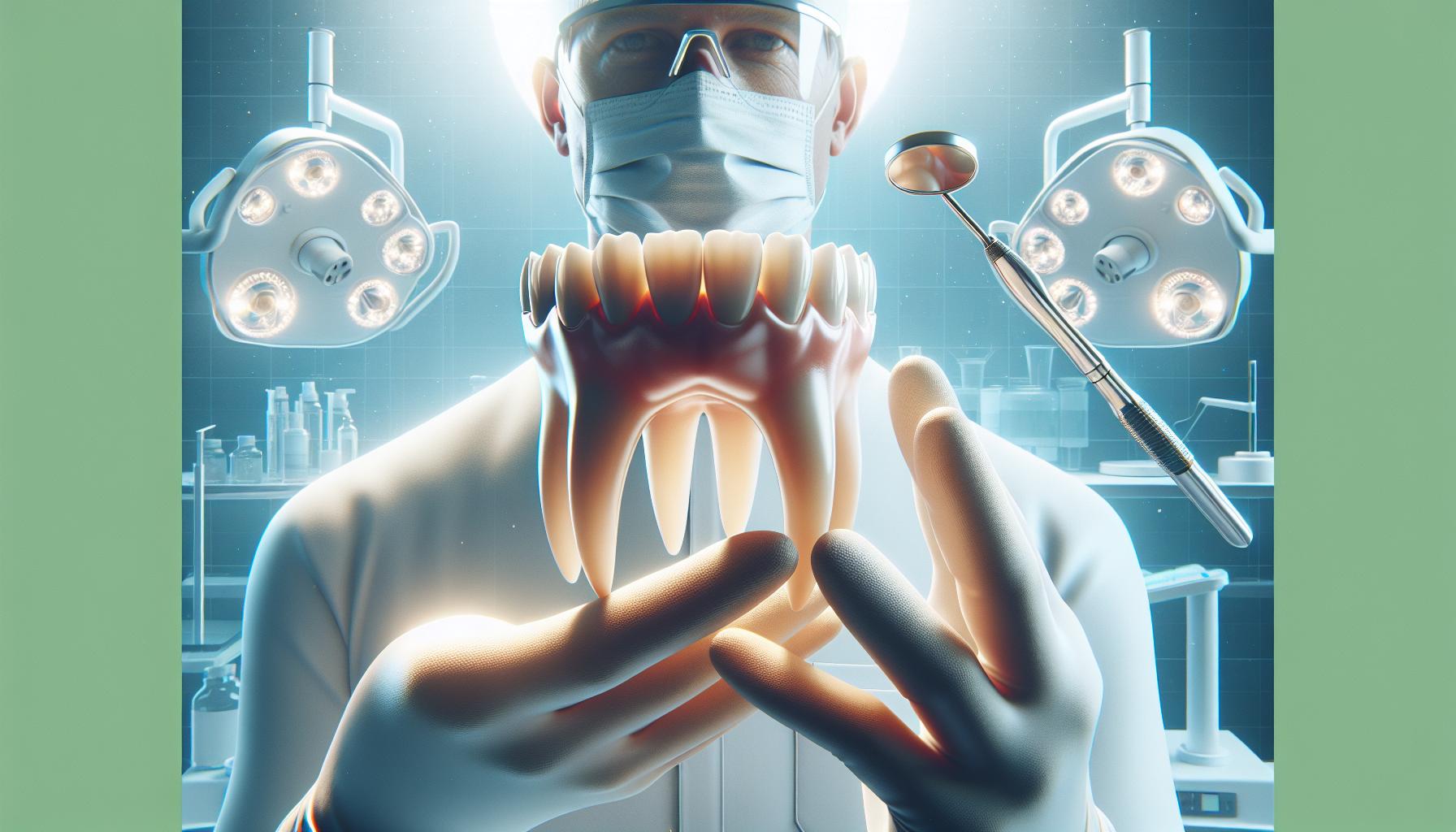
2. Identifying Hard-to-Reach Areas: Focusing on the Back of Your Bottom Teeth
Identifying the hard-to-reach areas in your oral hygiene routine is crucial, especially when it comes to preventing tartar buildup on the back of your bottom teeth. These areas can easily be overlooked, but they are often where plaque and tartar accumulate the most. According to dental health experts, the backs of the bottom teeth are not only less visible but also more prone to remaining unclean. Consequently, regular attention to these regions can significantly enhance your overall dental health.
Why Focus on the Back of Your Bottom Teeth?
The back of your bottom teeth forms a prime location for tartar buildup due to their proximity to salivary glands, which produce mucus and minerals that contribute to plaque formation. If neglected, this plaque can harden into tartar, requiring professional dental cleaning for removal. Here are some strategies to help you effectively clean these hard-to-reach areas:
- Use a Smaller Toothbrush: Opt for a toothbrush with a smaller head. This design allows for better maneuverability, making it easier to access the back teeth.
- dental Tools: Consider using dental tools like interproximal brushes or a dental pick.These can help you reach tight spaces effectively.
- Electric toothbrush: An electric toothbrush can provide more power and efficiency when cleaning the harder-to-reach back areas.
Effective Techniques for Cleaning
While brushing and flossing are basic, adapting your techniques can yield better results. Here are some helpful tips you can employ:
- Modified Angles: Adjust your brushing angle to 45 degrees towards the gum line. This angle allows the bristles to better access the back of your bottom teeth.
- Thorough Flossing: Make it a habit to floss daily, especially targeting the back teeth. Use a gentle sawing motion and wrap the floss around the tooth to clean both sides.
- Rinse with Mouthwash: After brushing and flossing, rinse with an antibacterial mouthwash to help eliminate residual plaque in hard-to-reach spots.
Maintaining the back of your bottom teeth is vital for a holistic oral care regimen aimed at preventing tartar buildup. By incorporating these techniques into your daily routine, you can significantly reduce the risk of tartar forming in these challenging areas. With persistence and the right tools,you can keep your entire mouth healthy and reduce your need for frequent dental visits to remove tartar.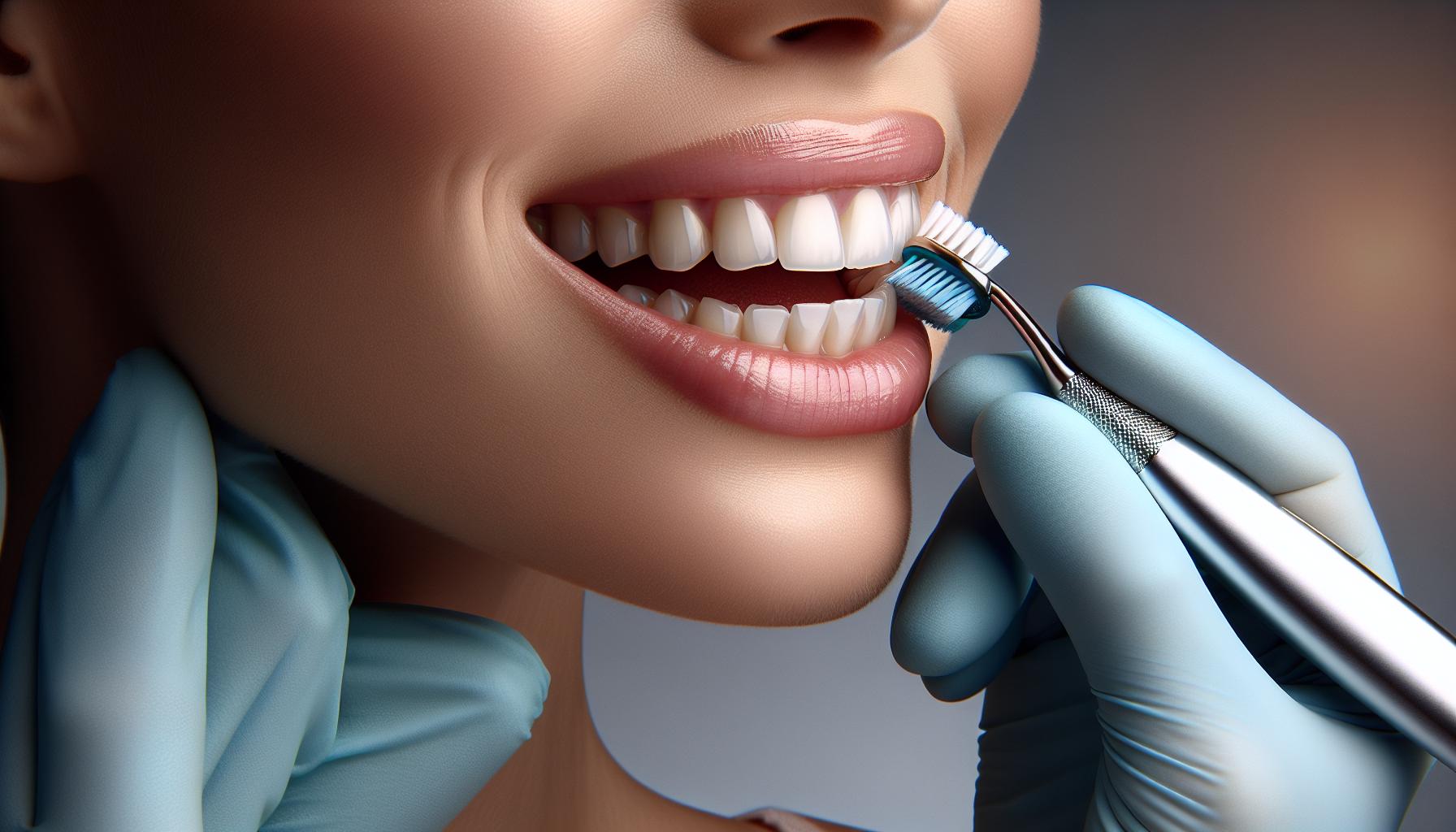
3. Effective Home Remedies: Natural Ways to Tackle Tartar Buildup
Natural Remedies to Combat Tartar buildup
Tartar buildup, especially in hard-to-reach areas like the back of the bottom teeth, can lead to gum disease and othre dental issues if not addressed regularly. however, incorporating certain natural remedies and effective dental hygiene practices can significantly reduce tartar formation and promote oral health.
- Apple Cider Vinegar (ACV): This versatile liquid is renowned for its acidity, which can help dissolve tartar and remove stains. Dilute a tablespoon of ACV in a glass of water and use it as a mouthwash. Its antimicrobial properties also assist in killing bacteria that contribute to plaque buildup.
- Baking Soda: Known for its abrasive qualities, baking soda can gently scrub away tartar. Create a paste by mixing one teaspoon of baking soda with a few drops of water and use it to brush your teeth once a week. Its alkaline nature helps neutralize harmful acids in the mouth.
- Essential oils: Oils like tea tree and peppermint have antibacterial properties that can support oral health. Adding a drop of these oils to your toothpaste or combining them with a carrier oil for a DIY mouth rinse can help keep tartar at bay.
- Homemade salt Water Rinse: Regular rinsing with warm salt water can promote healing of gums and help loosen tartar. Mix half a teaspoon of salt in warm water and swish it around in your mouth for about 30 seconds.
While these home remedies provide valuable assistance, it’s imperative to maintain consistent brushing and flossing routines to tackle tartar, especially in those challenging back areas. Regular dental check-ups are crucial as well, as professional cleanings can effectively eliminate stubborn tartar that home methods may not fully address. For those looking to enhance their knowledge on how to remove tartar from back of bottom teeth and keep their smiles bright, these natural approaches can be an excellent addition to everyday oral hygiene practices.
4. Tools for Success: Essential Dental tools for Your At-Home Cleaning Routine
Essential Tools for Effective At-Home Dental Care
Achieving a thorough dental cleaning at home, especially in hard-to-reach areas like the back of the bottom teeth, requires the right tools.using specialized dental instruments not only makes your cleaning routine more effective but also helps prevent the buildup of tartar, which can lead to more severe dental issues over time. Having a proper kit can empower you to maintain your oral health with confidence and ease.
Key Tools for Your home Dental Kit:
- Dental Pick: A dental pick is designed to help remove plaque and tartar that can accumulate in tight spaces.This tool is particularly useful for cleaning between teeth and along the gum line.
- Tooth Scraper: Also known as a scaler, this tool effectively removes hardened tartar. Its pointed end is perfect for getting into those hard-to-reach areas in the back of the mouth.
- Interdental Brushes: These small brushes are great for cleaning between teeth where regular toothbrushes can’t reach. They come in various sizes, so choose one that fits comfortably in the gaps between your teeth.
- Mirror: A small dental mirror helps you see the back of your bottom teeth clearly,allowing for a more thorough cleaning and helping you spot any areas that may require extra attention.
- tongue Scraper: While not directly related to cleaning teeth, a tongue scraper can remove bacteria and food particles from the tongue, enhancing overall oral hygiene.
Using these instruments can help in effectively removing tartar from the back of the bottom teeth. Remember,it’s vital to use them correctly to avoid damaging your enamel or gums. Consider starting slowly and practicing the appropriate techniques, such as angling the dental pick to follow the natural contours of your teeth and gums.
| Tool | Function | Best Use Case |
|---|---|---|
| Dental Pick | Plague removal | Between teeth and gum line |
| Tooth Scraper | Tartar removal | Back teeth and hard-to-reach areas |
| Interdental Brush | Cleaning gaps | Between closely spaced teeth |
| Mirror | Visibility | Assessing hard-to-see areas |
| Tongue Scraper | Oral freshness | Daily cleansing routine |
Incorporating these tools into your dental care routine can significantly enhance your ability to manage tartar buildup effectively. By dedicating just a few minutes each day to using these instruments, you’ll promote better oral hygiene and maintain a healthy smile, especially in those challenging areas often overlooked.
5.Step-by-Step Guide: How to Remove Tartar Safely and Effectively
The battle against tartar buildup on teeth can feel daunting, especially in those hard-to-reach areas like the back of the bottom teeth. Tartar, a hardened form of plaque, can contribute to gum disease and tooth decay if not properly managed. Fortunately, with the right techniques and a bit of diligence, you can effectively remove tartar and improve your oral hygiene. Here’s a complete guide to mastering the removal of tartar from these tricky spots in your mouth.
Gather Your Tools
Before diving into the tartar removal process, it’s essential to equip yourself with the right tools. Having a well-stocked oral hygiene kit can make a significant difference in effectiveness and comfort.
- Dental scaler: A professional-grade scaler can definitely help remove tartar buildup.
- Soft-bristled toothbrush: A gentle brush is crucial for protecting your gums while cleaning.
- Fluoride toothpaste: This helps to remineralize your enamel and reduce plaque formation.
- Interdental brushes or floss: Useful for cleaning between teeth and below the gum line.
- Antiseptic mouthwash: A rinse can help reduce bacteria in your mouth after brushing.
Step-by-Step Removal Process
- Planning: Start by rinsing your mouth with warm water to loosen any tartar. This preliminary step helps to make the following steps more effective.
- Scaling:
– Begin with the dental scaler. Gently use the instrument to scrape against the tartar, ideally working from the gum line outwards.
– Clear away tartar gradually; applying too much pressure can damage your gums and enamel.
- Brushing:
– After scaling, use your soft-bristled toothbrush and fluoride toothpaste to brush your teeth thoroughly. Focus on the back of the bottom teeth, using a rocking motion.
– Aim to brush for at least two minutes, ensuring that you provide extra attention to any areas that feel rough or gritty.
- Flossing:
– Floss between your teeth, particularly in areas that are difficult to reach. The interdental brush is particularly effective for cleaning back teeth.
– Be gentle yet thorough, as this step helps remove any remaining food particles and plaque that can lead to tartar buildup.
- Rinsing: Finish with an antiseptic mouthwash. This not only freshens your breath but also helps kill any lingering bacteria and supports overall gum health.
Maintenance Tips
to keep your teeth tartar-free, consistency is key.Integrating the following practices into your daily routine can provide lasting results:
| Practice | Frequency |
|---|---|
| Brushing | Twice daily |
| Flossing or using interdental brushes | Once daily |
| Rinsing with mouthwash | after brushing |
| Dental check-ups | Every 6 months |
By following these straightforward steps and maintaining a consistent oral hygiene routine, you can effectively manage and minimize tartar buildup in those challenging areas, particularly the back of your bottom teeth. Remember, regular dental visits are also crucial for professional cleanings and further advice tailored to your specific needs.
6. The role of Dental Floss: Mastering Technique for better Access
Dental floss is often an unsung hero in oral hygiene, yet it plays a monumental role in combating tartar buildup, especially in those notoriously tricky spots at the back of our bottom teeth. Mastering the technique of using dental floss is not just beneficial for achieving a cleaner mouth; it can be transformative for your overall dental health. In this section, we delve into how to effectively utilize dental floss to reach those hard-to-reach areas, ultimately contributing to your goal of removing tartar from the back of bottom teeth.
Understanding the Importance of Flossing
Flossing daily is vital for removing food particles and plaque that toothbrushes frequently miss.In hard-to-reach areas, like the back of the bottom teeth, tartar can accumulate quickly if proper cleaning isn’t implemented. Here are three reasons why proper flossing technique is essential:
- Prevents Tartar Buildup: Regular flossing disrupts the formation of plaque that can lead to tartar—a hard, mineralized substance that needs professional dental treatment to remove.
- Reduces Gum Disease Risk: Flossing helps maintain gum health by removing debris that can lead to infections and inflammation, ultimately minimizing the risk of gum disease.
- Improves Overall Oral Health: Flossing contributes to fresh breath and a cleaner mouth, offering a holistic approach to your oral care routine.
Mastering Your Flossing Technique
To effectively reach those stubborn areas at the back of your bottom teeth, utilizing the right technique can make all the difference. Here’s a step-by-step guide to enhance your flossing practice:
- Choose the Right Floss: Use waxed floss for easier maneuvering between tight spaces. Floss comes in various types,so pick one that feels comfortable for you.
- Use Adequate Length: Cut about 18 inches of floss to ensure you have enough to work with while keeping it clean. This length allows you to easily wrap the ends around your fingers for better grip.
- Technique Matters:
– Hold the Floss: Wrap most of the floss around your middle fingers, leaving about two inches to work with.
– Insert Carefully: Glide the floss gently between your teeth—avoid snapping it, which can damage gum tissue.- Form a C-Shape: Once the floss is between the teeth, curve it against one tooth and gently slide it up and down, then repeat against the adjacent tooth.
| Tip | Description |
|---|---|
| gentle Pressure | use gentle pressure to avoid hurting your gums while still being effective in tartar removal. |
| Focus on Back Teeth | Pay extra attention to the back of the bottom teeth, as this area is often neglected but crucial for dental hygiene. |
| Routine Matters | Incorporate flossing into your daily routine for maximum benefits; a consistent practice leads to noticeable changes. |
By mastering your flossing technique,you can significantly improve your ability to remove tartar from the back of your bottom teeth and maintain a healthier smile. Regular practice not only contributes to impeccable oral hygiene but also empowers you with the knowledge and skills to tackle pesky tartar with confidence.
7. Professional Solutions: When to Seek a Dentist’s Help for Tartar removal
Tartar buildup is not just an aesthetic issue; it can significantly impact your oral health. In fact, neglecting to remove tartar properly may lead to periodontal disease, cavities, and other serious dental problems. so, how do you know when it’s time to turn to a professional for assistance with tartar removal, especially in those notoriously hard-to-reach areas like the back of your bottom teeth?
when Home Remedies Fall Short
While regular brushing and flossing are essential in preventing tartar build-up, there are instances when DIY approaches may not suffice. Here are some signs to look out for that may indicate the need for professional dental intervention:
- Visible Tartar Deposits: If you notice yellow or brown deposits on your teeth that do not come off with regular brushing, it may be time to visit your dentist.
- Gum Inflammation: Swollen, red, or bleeding gums when brushing or flossing can suggest that tartar is irritating your gum tissue.
- Persistent Bad Breath: Chronic bad breath can point to significant tartar buildup or underlying periodontal issues that require professional care.
- Increased Sensitivity: If you experience enhanced sensitivity to hot or cold foods and drinks,it could indicate gum recession due to tartar buildup.
Understanding Professional Treatments
Once you’ve identified that your oral health may require a professional touch,it’s valuable to understand the treatment options available. Dentists typically employ a process called scaling,where specialized tools are used to remove tartar from both above and below the gum line. This method effectively addresses hard-to-reach areas, ensuring that your back bottom teeth are appropriately cleaned.
| Treatment Method | Description |
|---|---|
| Manual Scaling | A dentist uses hand-held tools to scrape off tartar and plaque from teeth. |
| ultrasonic Scaling | A vibrating tool uses water and ultrasonic waves to break down tartar while thoroughly cleaning teeth. |
| Polishing | After scaling, teeth are polished to remove surface stains and provide a smooth finish. |
Regular dental check-ups are not just about maintenance; they also play a crucial role in preventing tartar buildup before it becomes problematic. If you’re struggling with removing tartar from the back of your bottom teeth despite your best homecare efforts,don’t hesitate to reach out to your dentist for timely and effective solutions. Your oral health is vital, and sometimes professional help is the best way to ensure your smile remains bright and healthy.
8. maintaining Tartar-Free Teeth: Daily Habits for Long-Term Oral Health
Keeping your teeth free from tartar is essential for maintaining long-term oral health. Tartar, or dental calculus, can form quickly if proper oral hygiene is not observed, especially in hard-to-reach areas like the back of the bottom teeth. To effectively manage tartar buildup, consider incorporating the following daily habits into your dental routine.
Consistent Brushing Technique
Brushing your teeth twice a day is crucial, but how you brush makes all the difference. Aim to spend at least two minutes each time, ensuring you cover all surfaces of your teeth, including the back of the bottom teeth where tartar loves to hide. Use a soft-bristled toothbrush and consider an electric toothbrush for more effective cleaning. hold the brush at a 45-degree angle to your gums and use gentle, circular motions to help dislodge plaque before it can harden into tartar.
Flossing: your Best Friend in Tartar Prevention
Flossing is often overlooked yet is indispensable for removing food particles and plaque from between your teeth. Make it a daily habit, ideally before bedtime, to reduce the risk of tartar forming in those tight spaces. If customary floss feels cumbersome, try a floss pick or water flosser, which can be easier to maneuver, especially for reaching the back teeth.
- Use dental products containing fluoride: This helps strengthen tooth enamel and provides additional protection against plaque.
- Incorporate an antibacterial mouthwash: Rinsing with a mouthwash that targets plaque can boost your oral hygiene routine.
Regular Dental Check-ups
Despite your best efforts at home, professional dental cleanings are irreplaceable. Schedule visits to your dentist at least twice a year for thorough cleanings and check-ups. During these appointments, your dentist or hygienist can remove tartar that has built up in hard-to-reach areas. They can also assess your oral hygiene practices and offer personalized advice.
| Daily Habit | Benefit |
|---|---|
| Brushing twice a day | Removes plaque and food particles |
| Flossing daily | Prevents plaque buildup between teeth |
| Using mouthwash | Kills bacteria and freshens breath |
| Regular dental visits | Professional cleaning and evaluation |
By adopting these daily habits, you can significantly decrease the chances of accumulating tartar, particularly in those tricky spots like the back of the bottom teeth. Stay proactive in your oral hygiene, and you’ll not only improve your dental health but also your overall well-being.
9. Dietary Choices: Foods That Help Prevent Tartar Formation
Understanding the Role of Diet in Tartar Prevention
Maintaining a diet that supports dental health is crucial not only for preventing cavities but also for minimizing tartar buildup, especially in hard-to-reach areas such as the back of bottom teeth. Foods rich in certain nutrients can strengthen your gums and teeth, reducing the likelihood of plaque hardening into tartar. As an example, a diet high in fiber encourages saliva production, which helps wash away food particles and bacteria. Saliva is one of your mouth’s natural defenses against tartar formation.
Foods That act as Natural Defenders Against Tartar
Incorporating specific foods into your daily meals can significantly benefit your oral health. Here are some dietary choices that can definitely help prevent tartar formation:
- crunchy Vegetables: Carrots, celery, and apples not only clean your teeth as you chew but also stimulate gums, promoting better oral health.
- Dairy Products: Cheese and yogurt are rich in calcium and phosphates, which help neutralize acids in the mouth and strengthen enamel.
- Green Tea: Packed with antioxidants, green tea has properties that may reduce the growth of bacteria associated with plaque.
- Nuts and Seeds: High in healthy fats and fiber,these foods help in mechanical cleaning of teeth and provide essential nutrients like calcium.
Establishing Healthy Habits for better Oral Hygiene
While diet plays a significant role, good oral hygiene habits are equally important. Here are some actionable tips to enhance your efforts in preventing tartar buildup:
- Regular Brushing and Flossing: Make sure to brush twice daily and floss regularly, especially focusing on the back teeth.
- Stay Hydrated: Drinking plenty of water throughout the day helps maintain saliva production, essential for washing away food particles.
- Limit Sugary Foods: Reducing intake of sugar-laden snacks and beverages can decrease plaque formation, thus lowering tartar risk.
By adopting these dietary choices and hygiene practices, you enhance your chances of keeping tartar at bay, ensuring a healthier mouth and a brighter smile. If you’re looking for specific ways on how to remove tartar from the back of bottom teeth, consider focusing on these foods and habits as part of a comprehensive dental care routine.
10. Empowering Your Oral Hygiene Routine: Tips for Consistent Care at Home
Master the Art of Tartar Removal in Hard-to-Reach Areas
Maintaining your oral health is critical, especially when it comes to challenging spots like the back of your bottom teeth. Did you know that tartar buildup often occurs in these areas due to their inaccessibility during regular brushing? Regular care is essential not just for aesthetics but for preventing gum disease and cavities. to effectively combat tartar formation, consider the following personalized strategies to enhance your daily oral hygiene routine.
- Invest in Quality Tools: A toothbrush with a small head and soft bristles can better navigate tight spaces. Additionally, consider using tartar control toothpaste specifically designed to help dissolve plaque before it hardens into tartar.
- Incorporate Flossing Uniformly: Flossing should be a daily habit,focusing on the back teeth where tartar often builds. Use a gentle sawing motion to avoid gum irritation.
- Utilize Interdental Brushes: These small brushes can reach the spaces between teeth that traditional brushes often miss. Regular use can definitely help remove debris and plaque from hard-to-reach areas.
- Employ Mouthwash Strategically: Choose an antimicrobial mouthwash to rinse after brushing and flossing. This can help reduce plaque buildup and freshen breath.
Establish a Routine That Works for You
Creating a consistent oral hygiene routine is crucial. the following table summarizes daily practices that can support tartar removal and overall dental health:
| Routine Activity | frequency | Purpose |
|---|---|---|
| Brushing | Twice daily | Remove plaque and reduce tartar buildup |
| Flossing | Daily | Reach areas between teeth |
| Mouthwash | Daily | Minimize bacteria and freshen breath |
| Dental Check-ups | Every 6 months | professional cleaning and assessment |
By adopting these habits, you can significantly impact the health of your teeth, especially in those pesky spots at the back of your mouth. Commit to understanding how to remove tartar from back of bottom teeth effectively, and tailor your approach to fit your specific needs. Remember, the key to a successful oral hygiene routine is consistency and the right tools; make sure you’re equipped for the challenge!
Faq
How to Remove Tartar From Back of Bottom Teeth: Hard-to-Reach Areas?
To remove tartar from the back of your bottom teeth, you can use a combination of good brushing techniques and specific dental tools. Start by using a soft-bristle toothbrush angled correctly to reach this area,coupled with tartar-control toothpaste.
Consider adding a tartar scraper if you’re comfortable using dental tools at home. Persistent tartar build-up might require professional cleaning, as dentists have specialized tools for effective removal. Remember to maintain regular dental check-ups to keep your oral hygiene in check and target those hard-to-reach areas effectively.
What is tartar and how does it form on teeth?
Tartar, or calculus, is hardened plaque that forms on teeth when bacteria combine with saliva and food particles and is not removed. If plaque is not cleaned off within 24 to 72 hours, it mineralizes and becomes tartar.
This build-up commonly occurs around the gum line and in hard-to-reach areas like the back of the bottom teeth. Maintaining good oral hygiene habits, including brushing twice a day and flossing daily, can help prevent tartar formation.
Why does tartar build up on the back of bottom teeth?
Tartar tends to accumulate on the back of the bottom teeth becuase this area is often neglected during brushing. Limited access and soft bristle movement can make it challenging to clean efficiently.
Food particles also tend to get trapped here, providing more food for bacteria, which leads to plaque and eventually tartar formation. Regular brushing techniques and using interdental brushes can definitely help mitigate this issue.
Can I remove tartar myself?
While there are ways to manage tartar build-up at home, complete removal is best left to professional dental care. DIY methods, like using tartar scrapers, may provide relief but can risk damaging your enamel if misused.
If you decide to try it yourself, ensure it’s done gently. Regular professional cleanings are essential, as dentists can effectively remove even the most stubborn tartar build-up safely.
What tools can I use to remove tartar from my teeth?
you can use various dental tools, such as tartar scrapers and ultrasonic toothbrushes, to help remove tartar at home. Tartar scrapers are specifically designed to dislodge tartar but should be used carefully.
in addition, consider investing in an electric toothbrush with a timer that encourages proper brushing time, which can enhance your cleaning efficacy. Remember, while these tools can assist, don’t neglect professional visits for comprehensive cleanings.
How frequently enough should I visit the dentist for tartar removal?
You should visit your dentist every six months for a professional cleaning to remove tartar and maintain your oral health. Some individuals may require more frequent visits if they are prone to tartar build-up.
Dental professionals have the tools to thoroughly clean your teeth and provide tailored advice on home care,especially for challenging areas like the back of your bottom teeth. Regular check-ups help ensure a healthier smile.
What are the signs of tartar build-up on teeth?
Signs of tartar build-up include yellow or brown discoloration, bad breath, and potential gum inflammation. You may also notice a rough texture on your teeth where tartar has accumulated.
Detecting these signs early can motivate you to improve your oral hygiene routine. Coupling good practices with regular professional care can dramatically reduce the chances of tartar build-up.
In Conclusion
effectively removing tartar from the back of your bottom teeth is not only possible but also essential for maintaining your oral health. By employing a combination of good brushing techniques, appropriate flossing methods, and the use of interdental brushes, you can target those hard-to-reach areas with confidence. Remember, while home care is powerful, regular visits to your dentist will ensure that any stubborn tartar is professionally addressed and your teeth remain in optimal condition. Don’t let anxiety about dental care hold you back—take charge of your oral hygiene today and explore the tools and techniques that work best for you.Your smile deserves it!
Get our latest guides, news, and insights highlighted in your Google Search & AI Overviews.


