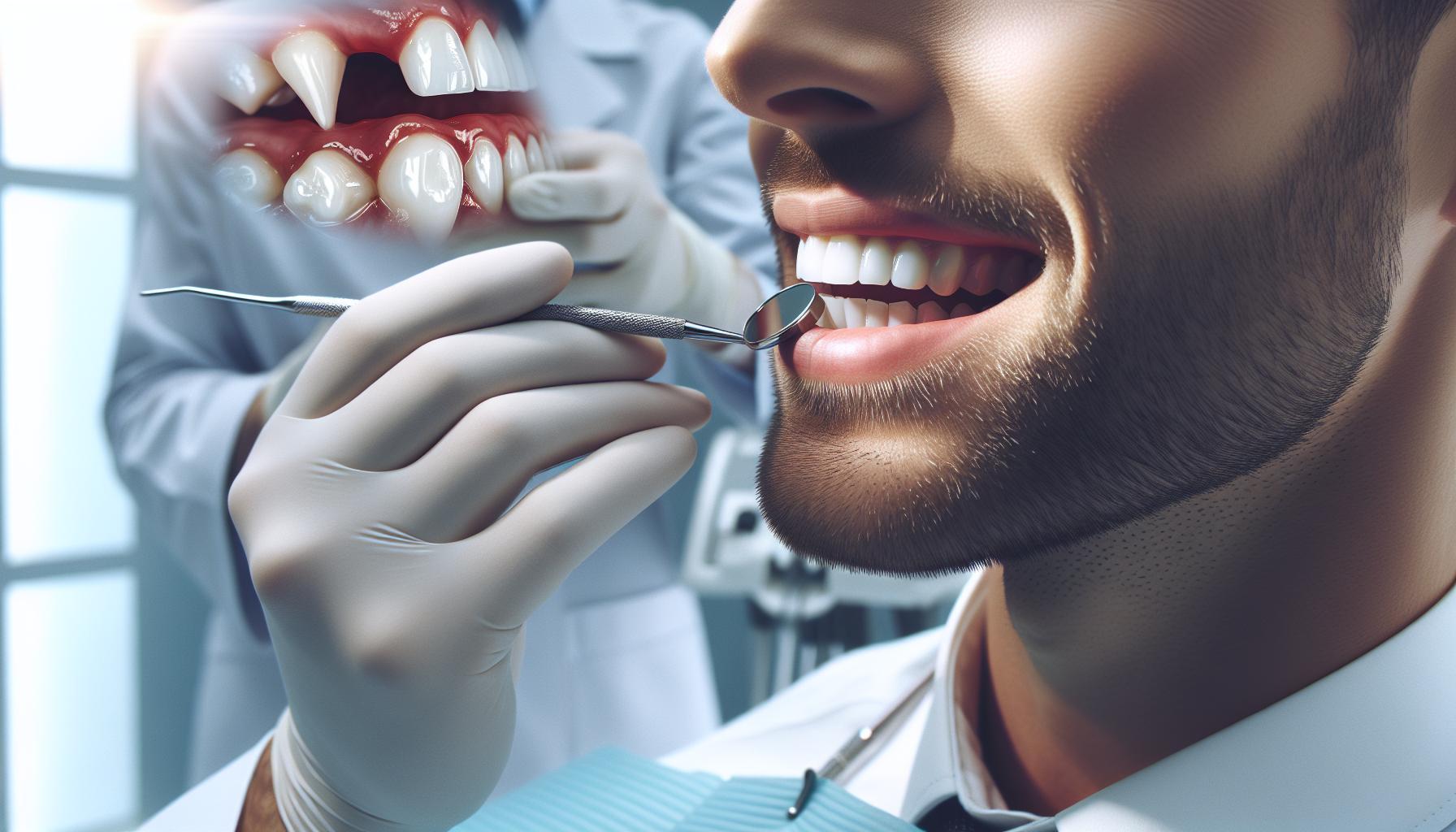
Wisdom teeth removal can lead to significant discomfort, leaving many wondering how to manage the pain effectively. Understanding the recovery process and implementing the right strategies is essential for a smoother healing experiance. This guide will explore practical tips and remedies to ease recovery, ensuring a more agreeable journey post-surgery.
Sure! Here are some engaging H2 headings for your article:
Understanding the Recovery Process
Before diving into strategies for alleviating discomfort, it’s crucial to grasp what happens during the recovery from wisdom teeth removal.After the procedure, your body initiates a healing process that can lead to various sensations, from mild discomfort to sharper pain. The swelling and bleeding are normal reactions as your body works to heal the surgical sites. Knowing what to expect can substantially ease anxiety and set the stage for a more comfortable recovery.
Basic Pain Management Techniques
Managing pain effectively is key to a smoother recovery experience. Here are some essential tips to keep in mind:
- Over-the-Counter Pain Relievers: Medications such as ibuprofen or acetaminophen can be effective in managing pain and reducing inflammation.
- Ice Packs: Applying ice packs to your cheeks for 15-20 minute intervals can help minimize swelling and numb the pain.
- Stay Hydrated: Drink plenty of fluids, but avoid straws as the suction can disturb blood clots.
- Soft Foods: Eating soft,cool foods like yogurt and smoothies can definitely help prevent irritation of the surgical sites.
Utilizing Home Remedies for Comfort
In addition to conventional medications, various home remedies can enhance your recovery from wisdom teeth removal:
- Salt Water Rinses: Gently rinsing your mouth with warm salt water several times a day can help keep the surgical area clean and reduce inflammation.
- Herbal Teas: Chamomile or peppermint tea can be soothing; thay may also reduce inflammation and promote relaxation.
- clove Oil: Known for its analgesic properties, clove oil can be applied with a cotton ball to the affected area for temporary relief.
When to Seek Professional Help
While managing discomfort at home is often sufficient, it’s vital to know when to consult a professional. If you experience severe pain that does not improve with medication, prolonged bleeding, or signs of infection such as fever or increased swelling, contacting your dentist or oral surgeon is crucial.These symptoms may indicate complications that require medical intervention.
Understanding Wisdom Teeth Removal: What to Expect
Preparing for Wisdom Teeth Removal
Wisdom teeth removal is a common dental procedure, often recommended for individuals experiencing crowding, pain, or other complications associated with these third molars. Understanding what to expect can significantly ease the anxiety surrounding the surgery and speed up recovery. most frequently enough, wisdom teeth are extracted when they are impacted, meaning they do not fully emerge due to lack of space in the mouth. This can lead to pain, infection, and damage to adjacent teeth, making timely removal crucial for maintaining overall dental health [[2]](https://www.mayoclinic.org/diseases-conditions/wisdom-teeth/expert-answers/wisdom-teeth-removal/faq-20058558).
the Procedure: What Happens?
During the wisdom teeth extraction, your dentist or oral surgeon may use local anesthesia, sedation, or general anesthesia—depending on your comfort and the complexity of the surgery.The procedure typically involves the following steps:
- Consultation: Your dentist will conduct a thorough examination, including X-rays, to determine the position of your wisdom teeth.
- Anesthesia: Administering the appropriate anesthesia to ensure a pain-free experience is crucial.
- Extraction: The dentist will carefully remove the wisdom teeth, which may involve cutting through bone and gum tissue.
- Recovery: After the procedure, you will be given aftercare instructions to minimize discomfort and promote healing.
Post-Operative Care: Easing the Pain
Recovering from wisdom teeth removal is an integral part of the process.Understanding how to ease discomfort can make all the difference.Here are some practical tips for a comfortable recovery:
| Tip | Description |
|---|---|
| Ice Packs | Applying ice packs to your cheeks can reduce swelling and numb the pain during the first 24 hours. |
| Medication | Over-the-counter pain relievers or prescribed medication can definitely help manage discomfort effectively. |
| Soft Foods | Stick to soft, nutritious foods like yogurt, applesauce, and smoothies in the initial days post-surgery. |
| Hydration | Staying hydrated is essential, but avoid using straws since they can dislodge blood clots leading to dry socket. |
By following these guidelines, managing pain after wisdom teeth removal will be more straightforward, ensuring a healing process that allows you to return to your daily routine swiftly. Emphasizing comfort and care can significantly impact your recovery journey, allowing you to focus on regaining your oral health [[3]](https://www.mayoclinic.org/diseases-conditions/wisdom-teeth/symptoms-causes/syc-20373808).
Pre-Procedure Preparation: Setting Yourself Up for Success
As with any health-related procedure, the key to a smoother recovery from wisdom teeth removal lies primarily in the preparation. Understanding how to ease the pain from wisdom teeth removal starts before you even sit in the dentist’s chair.Setting up a carefully curated plan not only alleviates discomfort but also promotes a faster and more comfortable recovery experience.
Gather Essential Supplies
before your procedure, ensure you have all necessary supplies at hand.This foresight can save you from the discomfort of needing to venture out while recovering. Here’s a checklist of items to prepare:
- Ice packs: To minimize swelling, have a few ice packs ready to apply to your jaw.
- Soft foods: Stock up on items like applesauce, yogurt, and smoothies. These will be your go-to meals as you heal.
- Pain medication: Confirm your dentist’s recommendations and have your pain relievers available before returning home.
- Gauze pads: Useful for managing bleeding right after the procedure.
- Extra pillows: To elevate your head while resting, which can help decrease swelling.
Create a Recovery Zone
Designating a recovery area in your home can be incredibly beneficial. This zone should be comfortable yet functional. Here are some tips for setting it up:
- Comfortable seating: Choose a recliner or an area where you can lie down comfortably with your head elevated.
- Entertainment: Have a selection of movies,books,or podcasts ready to keep your mind occupied as you recuperate.
- Accessibility: Keep essentials like water, snacks, and medications within arm’s reach to avoid unnecessary movement.
Plan for Help
In the days following your wisdom teeth removal, it’s advisable to have someone available to assist you. Given that you may be on pain medication or experiencing fatigue, here’s how friends or family can help make your experience more comfortable:
| Type of Help | Description |
|——————————|——————————————————|
| Transportation | Arrange for someone to drive you home after the procedure.|
| Meal Preparation | Have someone prepare soft meals for you, easing the burden.|
| Household Chores | Ask for assistance with light housework, so you can focus on resting. |
| Emotional Support | Spend time with someone who can keep your spirits up during recovery.|
By taking these preparatory steps seriously, you can significantly enhance your recovery experience. Knowing how to ease the pain from wisdom teeth removal starts with a proactive approach, ensuring that your body and mind are both ready for the journey ahead.
The First 48 Hours: Essential Tips for a smooth Recovery
Understanding the critical role of the first 48 hours post-surgery can significantly enhance your recovery experience after wisdom teeth removal. During this period, your body is engaged in healing and managing any discomfort.adopting effective recovery strategies will help you ease the pain and facilitate a smooth transition back to your daily routine.
Prioritize Rest and Elevation
One of the most important aspects of recovery in the first couple of days is to allow your body plenty of rest. You may feel groggy from anesthesia or medication, making it essential to take this time to relax.Additionally,keeping your head elevated can reduce swelling and discomfort. Use extra pillows while sleeping or resting to maintain an elevated position.
Cold Compress Therapy
To combat swelling and numb pain effectively, apply a cold compress to the outside of your cheeks. This technique is recommended during the first 36 hours after the procedure. Apply ice for 15-20 minutes at a time, allowing breaks in between. This not only soothes the area but also helps minimize inflammation.
Hydration and Diet
Staying hydrated is crucial during recovery. Tho, you should be mindful of what you consume. Stick to soft foods, avoiding anything that can irritate the extraction sites. Here are some recommended food choices to consider:
| Food Type | Examples |
|---|---|
| Soft foods | Mashed potatoes, yogurt, smoothies |
| Hydrating Beverages | Water, coconut water, herbal teas |
| Avoid | Crunchy, chewy, or spicy foods |
Remember to refrain from using straws as the suction can dislodge blood clots forming in the extraction sites, potentially leading to complications such as dry socket. Following these practical recommendations can provide significant relief and contribute to a quicker recovery,ensuring you manage your discomfort effectively during these initial days.
Pain Management Strategies: Finding Relief After Surgery
Following surgical procedures, effective pain management strategies can make a significant difference in recovery experiences. After wisdom teeth removal, many individuals find themselves navigating discomfort, but there are various approaches to ease this pain and support healing.
Understanding pain After Surgery
Pain after wisdom teeth extraction often varies from mild soreness to more acute discomfort. To successfully tackle this pain, it’s crucial to recognize the sources: inflammation, surgical trauma, and even muscle tension. By adopting a multifaceted approach to pain management,individuals can find relief more effectively.
Practical Pain Relief Strategies
To ease the pain associated with wisdom teeth removal, we recommend the following strategies:
- Medication: Over-the-counter pain relievers such as ibuprofen or acetaminophen can be beneficial. Follow your dentist’s or surgeon’s prescriptions closely for any stronger pain medication.
- Cold compress: Applying an ice pack to the jaw for 20 minutes at a time can definitely help reduce swelling and numb the area, providing immediate relief.
- Proper Rest: Allow your body the time it needs to heal. Taking it easy and avoiding strenuous activities can prevent exacerbating discomfort.
- Hydration and Nutrition: Staying well-hydrated and consuming soft foods can facilitate recovery while minimizing pain during eating.
Techniques for Enhanced Comfort
In addition to standard pain relief methods,incorporating various comfort strategies can further enhance recovery. Some helpful techniques might include:
| Technique | Description |
|---|---|
| Elevation | Keeping your head elevated while resting can reduce swelling and discomfort. |
| Mouth Rinses | Gentle saline rinses can help maintain oral hygiene without disturbing the extraction site. |
| Mindfulness Practices | Engaging in breathing techniques or meditation can help manage pain perception and anxiety. |
Incorporating these methods into your recovery plan may lead to a more comfortable and less painful experience following your wisdom teeth removal. By proactively managing pain with these strategies, you can shift your focus from discomfort to healing and allow your body to recover effectively. Remember, every recovery journey is personal, so experimenting with various techniques will help you find what works best for you.
Nourishing Your Body: Foods to Eat (and Avoid) During Recovery
The aftermath of wisdom teeth removal can often be a challenging time, with discomfort, swelling, and a need for careful attention to diet. Your body is on a quest for healing, and the right foods can significantly aid in this process. Choosing the right nutrition will not only help alleviate pain but also foster a quicker and smoother recovery.
Foods to Embrace for a Smoother Recovery
In the days following your procedure, incorporating gentle, nutrient-dense foods will help in your recovery while keeping your mouth comfortable. here’s a list of some ideal foods to consider:
- Applesauce: Provides vitamins without requiring chewing.
- Mashed Potatoes: A soft, comforting option that can be flavored in numerous ways.
- Broths and Soups: Nutrient-rich and soothing, perfect for hydration and nourishment.
- Yogurt: smooth and cooling, this option is packed with probiotics that support digestive health.
- Ice Cream or Sorbet: The cold sensation can help reduce swelling and provide a sweet treat.
- Oatmeal: Creamy and soft, offering fiber and sustenance without aggravating your gums.
When you prioritize a soft diet filled with easy-to-digest foods, you not only ensure comfort but also provide your body with the essential nutrients it needs to heal post-wisdom teeth removal.
Foods to avoid for Optimal Healing
Not all foods are beneficial after dental surgery; actually, certain items can impede your recovery and exacerbate discomfort. Here are some foods you should steer clear of:
| Food Category | Reasons to Avoid |
|---|---|
| Hard Foods | Can cause irritation or injury to the extraction sites. |
| Spicy Foods | Can lead to discomfort and inflammation of sensitive tissues. |
| Crunchy snacks | Might get lodged in or around the healing wounds. |
| Hot Beverages | Can exacerbate swelling and irritation. |
| Alcohol | Interferes with healing and can interact with pain medications. |
By staying mindful of what you consume, you create an habitat conducive to healing. Remember, the goal is to support your body in the recovery process after wisdom teeth extraction; focusing on nourishing, soft foods while avoiding irritants will help you get back to your routine in no time.
Gentle Oral Care: How to Keep Your mouth Clean and Comfortable
Did you know that proper oral care following dental procedures can significantly influence your recovery speed and comfort? After wisdom teeth removal, it’s essential to adopt a gentle oral care routine to keep your mouth clean and promote healing. Following the right practices not only minimizes discomfort but can also prevent complications such as infections.
Gentle Brushing Techniques
Maintaining your oral hygiene is crucial, especially post-surgery. However, vigorous brushing can irritate the extraction sites. Instead, consider these gentle techniques:
- Soft-bristled toothbrush: Opt for a toothbrush designed to be gentle on your gums.
- Angle your brush: Brush at a 45-degree angle to remove plaque without direct pressure on the surgical area.
- Skip the extraction site: Avoid brushing directly over the area where your wisdom teeth were removed for the first few days.
Mouth Rinses and Hydration
Keeping your mouth fresh and free from bacteria is critical after surgery.Here’s how you can do it effectively:
- Saltwater rinse: After 24 hours, gently rinse your mouth with warm saltwater to reduce swelling and keep bacteria in check. Mix 1 teaspoon of salt in a cup of warm water.
- Stay hydrated: Drinking plenty of fluids helps keep your mouth moist, aiding in recovery. Avoid using straws as the suction can dislodge clots.
Avoiding Certain Foods
What you eat plays a key role in how comfortable you feel during recovery. Some foods can exacerbate discomfort or lead to complications:
| Foods to Avoid | Reasoning |
|---|---|
| Crunchy or hard foods (e.g.,nuts,chips) | Can irritate the extraction site and cause pain. |
| Spicy foods | May cause inflammation and discomfort. |
| Hot beverages | Heat can aggravate the extraction area and slow recovery. |
| Carbonated drinks | Bubbles can irritate the gums and lead to discomfort. |
By incorporating these gentle practices into your post-operative routine, you can notably ease the pain and enhance your recovery experience after wisdom teeth removal. Remember,a little extra care goes a long way in ensuring a smooth and comfortable healing process.
Recognizing Complications: When to Call Your Dentist
Understanding the Signals: When to Seek Help
After undergoing wisdom teeth removal, it’s crucial to differentiate between normal recovery discomfort and potential complications. While some pain and swelling are expected in the first few days, an escalation in symptoms can indicate issues that require your dentist’s attention. For instance, if you experience intense pain that does not improve with prescribed medications, it may signal an infection or dry socket. Dry socket occurs when the protective blood clot at the extraction site dislodges, exposing the bone and nerves, leading to severe discomfort. Recognizing the early signs of complications can help you address these issues promptly, ensuring a smoother recovery journey.
Signs of Possible Complications
Knowing what symptoms to monitor post-surgery can vastly improve your recovery experience. Here are some signs that warrant a call to your dentist:
- Increased Pain: If pain amplifies after the first few days rather of gradually lessening.
- Persistent Bleeding: Light bleeding is normal, but if it continues beyond the first few hours or resumes after several days, consult your dentist.
- Fever and Chills: A fever over 101°F could indicate an infection.
- Significant Swelling: If swelling worsens or persists for more then three days.
- Difficulty Opening Your Mouth: A noticeable inability to open your mouth wide could signal muscle or nerve issues.
real-World Examples of Complications
Consider the case of a patient who assumed that a lingering pain near the extraction site was merely part of the healing process. As days passed without advancement, the discomfort evolved into a sharp throbbing sensation, making it difficult to eat and speak. Upon visiting the dentist, it was confirmed that the patient had developed a dry socket. The complication required additional treatment to soothe the pain and promote healing.
Timely intervention is pivotal. If you find yourself uncertain about your symptoms, it’s always wise to err on the side of caution. consulting with your dental professional can provide clarity and potentially save you from prolonged discomfort. Implementing the insights from “How to Ease the pain From Wisdom Teeth Removal: Comfortable Recovery” can empower you to manage your recovery while staying informed about potential complications.
Empowering Your Healing Journey: Self-Care practices That Help
While navigating the recovery journey after wisdom teeth removal,it’s essential to recognize the importance of thoughtful self-care practices. Taking proactive steps to prioritize your well-being not only aids physical recovery but also enhances your emotional and mental state during this challenging time.Integrating self-care into your healing process can make significant differences, promoting comfort and minimizing pain.
effective self-Care Strategies
Empower your healing journey with these impactful self-care practices:
- Rest and Relaxation: Giving your body ample time to heal is crucial. Prioritize sleep and take breaks throughout the day to allow your body to recover effectively.
- Manage Pain and Discomfort: Follow your dentist’s recommendations for pain management.This often includes taking prescribed medications on schedule and using ice packs to reduce swelling.
- Stay hydrated: Drinking plenty of fluids helps keep your body functioning optimally. While it’s important to avoid using straws after surgery, sipping water and broths can aid your recovery.
- Nourishing Diet: Focus on soft foods that are easy to eat. Foods like yogurt, smoothies, mashed potatoes, and soups can nourish your body without causing undue stress on your healing gums.
- Gentle oral Hygiene: Maintaining oral hygiene is vital during recovery. Use a soft-bristled toothbrush and avoid the extraction site when brushing to prevent irritation.
Emotional Well-Being
The emotional impact of recovery can also be significant. Here are ways to nurture mental wellness during this period:
- Mindfulness and Meditation: Incorporating mindfulness practices can definitely help in managing anxiety. Techniques such as deep breathing or guided meditation can promote relaxation.
- Connect with Support: Lean on friends or family during your recovery. Talking about your experience or simply having someone to sit with can provide much-needed comfort.
- Entertainment and Distraction: Fill your recovery time with enjoyable activities.Whether it’s watching movies, reading, or engaging in crafts, keeping your mind occupied can distract from the discomfort.
Recovery from wisdom teeth removal doesn’t just involve physical healing; it’s also about nurturing your emotional and mental health. By integrating these self-care practices into your routine, you can facilitate a more comfortable recovery process. Adopting these strategies not only aids in easing pain but also empowers you to take charge of your healing journey.
Faq
How to Ease the Pain From Wisdom Teeth Removal: Comfortable Recovery?
To ease the pain from wisdom teeth removal, use prescribed medications and over-the-counter options like ibuprofen. Applying cold compresses to your cheeks can also help reduce swelling and discomfort.
After the surgery, rest is crucial. Limit physical activity to prevent increased pain and ensure proper healing. Keeping your head elevated while sleeping can decrease swelling and promote a more comfortable recovery. For more tips on managing your recovery, check out our guide.
What is the expected recovery time for wisdom teeth removal?
Recovery from wisdom teeth removal typically takes about one to two weeks. Most individuals feel better within a week, but complete healing may take longer depending on the complexity of the extraction.
During this period, it’s critically important to follow your dentist’s post-operative care instructions. Engage in gentle activities and monitor your symptoms, as this ensures a smoother recovery process.
Why does recovery from wisdom teeth removal involve pain?
Pain during recovery from wisdom teeth removal is primarily due to surgical trauma. The removal of these teeth can lead to swelling and inflammation in the surrounding tissues.
This discomfort is a normal part of the healing process. Utilizing effective pain management techniques, such as ice packs and prescribed medications, can significantly alleviate your symptoms.
Can I use home remedies to ease pain after wisdom teeth removal?
Yes, home remedies like saltwater rinses, chamomile tea bags applied to the area, and cold compresses can aid in pain relief and promote healing.
These methods can reduce swelling and soothe tenderness. Though, always consult with your dentist before trying home remedies to ensure they’re appropriate for your recovery.
What should I eat after wisdom teeth extraction?
after wisdom teeth extraction, it’s best to stick to soft foods like yogurt, applesauce, and mashed potatoes. These foods minimize the risk of irritation and discomfort.
As you recover,gradually reintroduce more solid foods as tolerated,while avoiding anything crunchy or hard that could disrupt the healing process.
How can I prevent complications during recovery?
To prevent complications post-surgery, follow your dentist’s instructions closely, avoid using straws, and do not smoke, as these actions can lead to dry sockets.
Maintaining good oral hygiene by gently rinsing your mouth with warm salt water can also aid recovery while minimizing the risk of infections. Staying hydrated and resting is equally important during this phase.
What signs should I watch for after wisdom teeth removal?
Post-surgery, watch for signs such as severe pain, excessive bleeding, or persistent swelling. These could indicate complications that require prompt medical attention.
If you experience any unusual symptoms, contacting your dentist is essential for ensuring your recovery remains on track and to address any potential issues early.
Insights and Conclusions
navigating the recovery process after wisdom teeth removal doesn’t have to be overwhelming. By adhering to practical tips such as managing pain with prescribed medications, prioritizing soft foods, and maintaining proper oral hygiene, you can significantly ease discomfort and promote healing. Remember, it’s crucial to listen to your body and consult your dentist if you experience unusual symptoms. Empower yourself with knowledge and take proactive steps to ensure a smoother recovery journey. For more insights and shared experiences, be sure to explore additional resources and connect with others who have gone through similar situations.your comfort and well-being are just a few informed choices away!
Get our latest guides, news, and insights highlighted in your Google Search & AI Overviews.