Gum Shields: Ultimate Protection Guide for Active Smiles
Protect your smile with the ultimate guide to gum shields! Discover how these essential tools keep your …
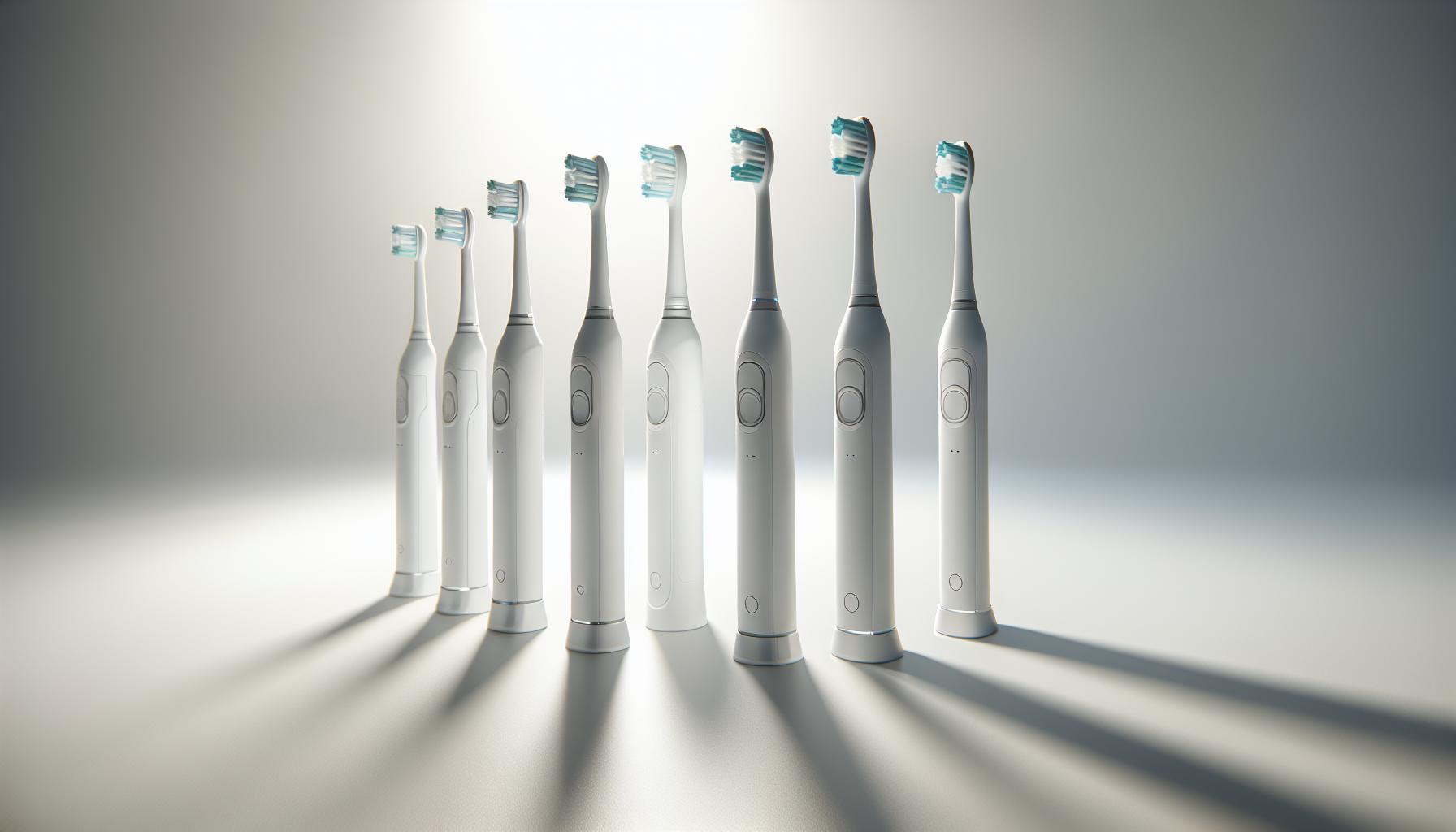
Oral health instruments and technology encompass sonic toothbrushes, hydro-propulsion water flossers, tongue scrapers, and ergonomic interdental tools designed for maximum biofilm clearance.
Comparing sonic acoustic cavitation versus oscillating-rotating brush heads for maximum plaque reduction.
Specialized bracket-friendly bristle configurations and pressure sensors to protect orthodontic appliances.
The transition from manual bristle scrubbing to advanced powered dental instruments has revolutionized preventive periodontics. High-end sonic toothbrushes generate between 31,000 and 62,000 bristle movements per minute. This high-frequency oscillation creates an acoustic hydrodynamic fluid phenomenon: saliva and water are propelled with high shear force into interdental spaces and subgingival margins, detaching biofilm even where physical bristle tips do not make direct contact.
Similarly, modern smart oral tools incorporate integrated pressure sensors that alert users when excessive force exceeds 150 grams, preventing cervical enamel abrasion. Pairing sonic brushing with hydro-pulsating water flossers and surgical-grade stainless steel tongue scrapers creates a multi-layered decontamination protocol that manual brushes cannot match.
| Oral Tool Category | Primary Engineering Mechanism | Ideal Patient Profile |
|---|---|---|
| Sonic Toothbrush | High-frequency acoustic vibrations creating hydrodynamic shear | Patients with gingivitis, tight interdental contacts, or limited dexterity |
| Orthodontic Sonic Heads | V-shaped bi-level bristle tufts designed around brackets and wires | Patients undergoing orthodontic treatment with fixed metal or ceramic braces |
| Pulsating Water Flosser | Hydro-propulsion pressure wave flushing subgingival pockets | Patients with dental implants, extensive bridgework, or periodontal history |
| Stainless Tongue Scraper | Curved metallic blade shearing volatile sulfur compounds (VSC) | Daily morning routine for halitosis prevention and tastebud rejuvenation |
Yes. Systematic Cochrane reviews confirm that electric toothbrushes remove significantly more plaque (up to 21% more) and reduce gingivitis by 11% compared to manual toothbrushes over a three-month period.
Brush heads should be replaced every three months, or sooner if the bristles become splayed or frayed. Frayed bristles lose their cleaning efficacy and can abrade the gumline.
Absolutely. Sonic vibrations are completely safe for dental implants, ceramic crowns, and veneers, provided you use an ultra-soft bristle head and avoid abrasive toothpastes.