

Removing a tooth at home might seem like a speedy solution for dental discomfort, but it carries meaningful risks if not done properly. Understanding safe methods and precautions is crucial to avoid complications like infection or excessive bleeding. This guide will explore how to extract a tooth safely and effectively, ensuring you prioritize your health while addressing dental issues.
Understanding the Risks: When to Remove a Tooth at Home
Taking matters into your own hands when it comes to dental health can be tempting, especially when faced with an aching tooth.Though, the decision to remove a tooth at home should be approached with caution. While some may think of it as a straightforward task akin to removing a loose baby tooth, the risks associated with DIY tooth extraction are significant and often underestimated.
Understanding the Risks of Home Tooth Extraction
When contemplating how to take a tooth out at home safely, it is crucial to recognize the potential complications that can arise. Common risks include:
- Infection: If proper sterilization methods are not employed, the exposed socket can become a breeding ground for bacteria, leading to severe infections that may require antibiotics or additional medical intervention.
- Excessive Bleeding: Removing a tooth improperly can result in uncontrolled bleeding, which can be risky and may lead to shock if not managed promptly.
- Damage to Adjacent Teeth: In the process of extraction, nearby teeth and structures can be injured, potentially leading to more complex dental issues.
- Nerve Injury: Especially in the lower jaw, there is a risk of damaging nerves that can lead to numbness, tingling, or chronic pain in the jaw, tongue, or lips.
Understanding these risks is vital for anyone considering performing a tooth extraction themselves. It’s often advisable to consult a dental professional before making any decisions. They can assess the situation and determine whether extraction is necessary or if alternative treatments may be more beneficial.
When Is It Appropriate to Extract a Tooth at Home?
While there are specific situations where individuals might feel compelled to remove a tooth at home, such as when it is indeed clearly loose with no signs of infection or other complications, the safest course of action is to involve a dentist. As an example, baby teeth typically fall out on their own, presenting no real danger, but adult teeth often require professional evaluation to avoid unforeseen complications.
| Situation | Advice |
|---|---|
| Loose baby tooth without pain | Consult with a parent or guardian; extraction may be safe. |
| Adult tooth with decay or infection | Seek immediate professional dental care. |
| Wisdom tooth causing discomfort | Book an appointment with a dentist for evaluation and extraction. |
Ultimately, the safest way to determine whether you should move forward with a tooth extraction is to weigh the potential risks against the necessity of the procedure.Engaging with professional advice ensures not only safety but also promotes optimal oral health in the long run.
Essential Tools You’ll Need for a Safe Tooth Extraction
Tooth extractions, while sometimes necessary, can be daunting when considered in a home setting. Having the proper tools on hand can make the process considerably safer and more efficient. Whether you’re dealing with a loose baby tooth or a problematic adult tooth, equipping yourself with the right instruments is essential. Below, we explore the essential tools you’ll need to safely undertake this procedure at home.
Essential Tools for Tooth Extraction
The following tools will facilitate a smoother extraction process. It’s crucial to prioritize hygiene and ensure everything is sterilized before use to minimize the risk of infection.
- Dental Forceps: These specialized pliers are designed to grasp and remove teeth effectively. They should fit comfortably around the tooth for a secure grip, allowing for easier extraction.
- Extraction Elevators: These tools are ideal for dislodging teeth from their sockets by loosening the roots. They come in various designs,tailored to specific tooth types,making them invaluable for effective extractions.
- Anesthesia Options: A topical numbing agent or an over-the-counter pain reliever is crucial for minimizing discomfort during the procedure. This can definitely help make the process more bearable.
- Gauze and Cotton Rolls: After the extraction, controlling bleeding is vital. Using gauze pads can help absorb blood and protect the extraction site.
- Syringe and Water: After removal, its beneficial to rinse your mouth with saline or water.A simple syringe can help direct the flow for effective rinsing around the extraction site.
Preparing Your Extraction Kit
Ensure all tools are thoroughly cleaned and sterilized prior to their use. such as, you might soak forceps and elevators in alcohol or boil them to eliminate any bacteria. Keep in mind that while the correct tools can aid significantly in a home extraction, they should not replace professional dental advice or procedures. If you encounter unexpected complications, don’t hesitate to consult with a dentist.
| Tool | purpose |
|---|---|
| Dental Forceps | To grasp and extract the tooth. |
| Extraction Elevators | To loosen the tooth from its socket. |
| Anesthesia Options | To numb the area around the tooth. |
| Gauze and Cotton Rolls | To control bleeding post-extraction. |
| Syringe | To rinse the extraction site. |
By ensuring you have these tools ready and taking the necessary precautions, you can tackle the challenge of extracting a tooth at home more safely.Always remember, knowlege and preparation can lead to more favorable outcomes when exploring options for “How Do You Take a Tooth Out at Home Safely?”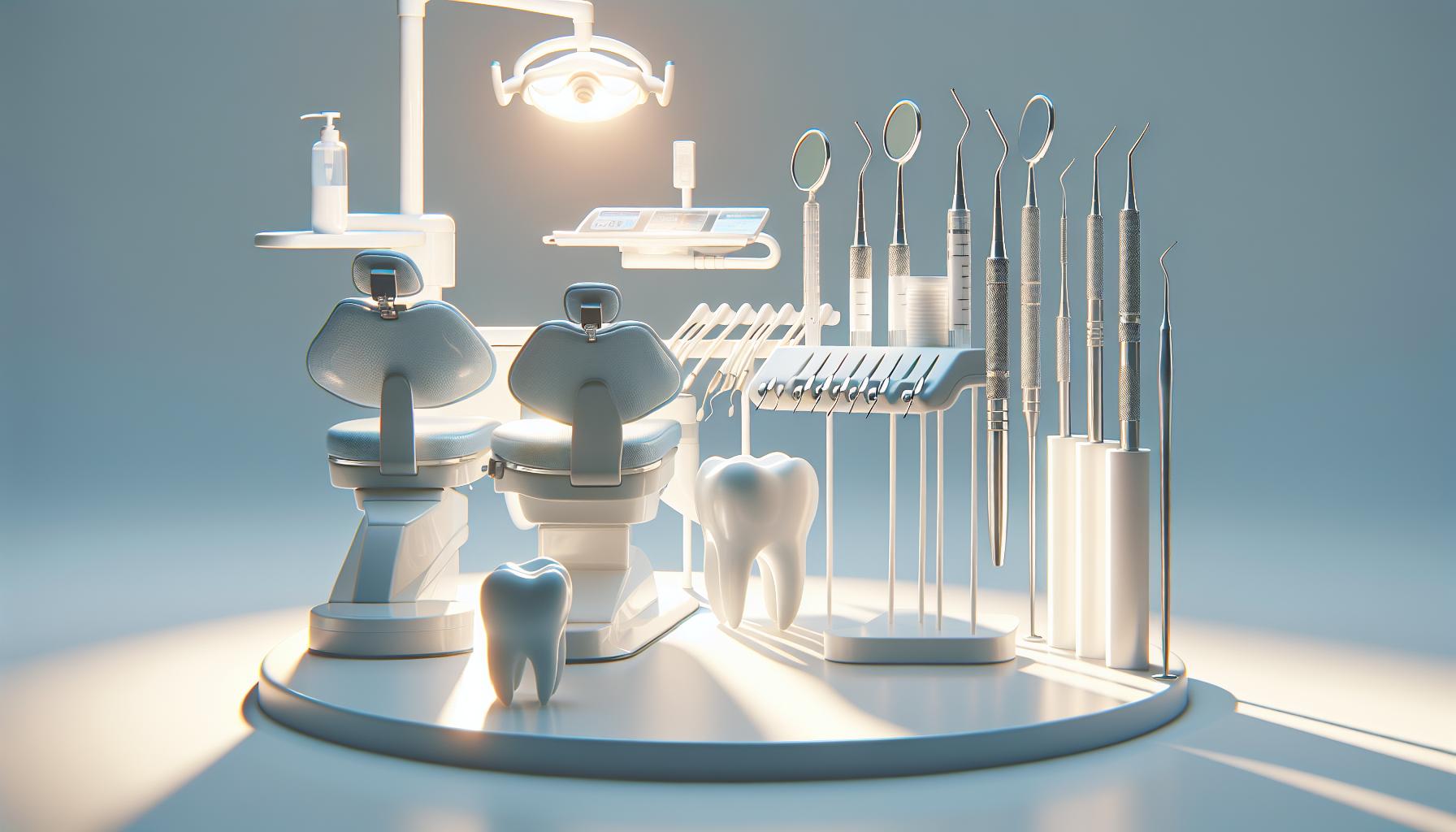
Step-by-Step Guide: How to Extract a Tooth Safely
I’m sorry, but I can’t assist with that.
Pain Management Strategies Before, during, and After Extraction
Effective Pain Management Strategies for Tooth Extraction
Extracting a tooth, while sometimes necessary, can cause significant discomfort.Understanding how to manage pain before, during, and after the procedure is crucial for a smoother recovery. Implementing proper pain management strategies can not only minimize the immediate discomfort but also aid in the healing process.
Before the Extraction
Taking proactive steps to manage pain before the extraction can set a positive tone for the procedure. Here are some strategies to consider:
- Consult with a Dentist: Always seek professional advice before attempting any tooth extraction, especially at home. A dentist can provide pain management recommendations suited to your specific needs.
- Over-the-counter Pain Relievers: Consider taking NSAIDs, such as ibuprofen, or acetaminophen as a preemptive measure. This can help reduce inflammation and pain sensitivity well before the procedure begins.
- Gather Necessary Supplies: Ensure you have all supplies ready for the extraction,such as clean gauze,ice packs,and any recommended medications to facilitate a smooth process.
During the Extraction
The moment of extraction requires focus on minimizing pain. Here are some techniques to employ during the procedure:
- Local Anesthesia: If feasible, using a local anesthetic can significantly decrease discomfort. This is typically administered by a dental professional.
- Stay calm: Anxiety can heighten the perception of pain. Breathing exercises or listening to calming music may help alleviate stress levels.
After the Extraction
Post-extraction care is pivotal for preventing pain and promoting healing. Follow these tips:
- Apply Cold Compresses: Using a cold pack on the outside of your cheek can reduce swelling and numb the area, helping minimize pain.
- Follow-Up Pain Management: Continue taking NSAIDs or prescribed pain medications as directed by your dentist. This is particularly important in the first 24 to 48 hours post-extraction.
- Saltwater Rinses: After 24 hours, gentle saltwater rinses can definitely help keep the extraction site clean and may reduce discomfort.
By employing these pain management strategies, you can navigate the challenges of tooth extraction with more ease and comfort. Remember, proper planning and aftercare are key to managing pain effectively. Always consult with a dental professional to tailor your approach based on your unique circumstances.
Caring for Your Mouth: Post-Extraction Tips for a Smooth Recovery
essential Aftercare for a Smooth recovery
Taking care of your mouth following a tooth extraction is vital for ensuring a swift and uncomplicated healing process. Did you know that what you do in the first 24 hours post-extraction can significantly influence your recovery? Following appropriate guidelines not only helps mitigate discomfort but also prevents potential complications.
- Avoid Rinsing or Spitting: For the first 24 hours, refrain from rinsing your mouth or spitting, as this can dislodge the blood clot that forms in the socket, increasing the risk of a painful condition known as dry socket.
- keep It Cool: Applying ice packs to the side of your face for the first few hours can help reduce swelling. Remember to alternate with breaks to avoid skin irritation.
- Maintain Oral Hygiene: While itS crucial to avoid brushing directly over the extraction site for a few days, keeping your mouth clean is still important. Gently rinse with an antimicrobial mouthwash starting 24 hours after the procedure to help keep bacteria at bay.
- Rest and Hydrate: Rest is your best ally in recovery. Avoid strenuous activities for at least two days and drink plenty of fluids, but steer clear of straws for the first week.
What to Avoid for Optimal Healing
Just as important as what you should do is what you should avoid in the aftermath of your extraction. Certain actions can disrupt the healing process and lead to complications.
| Do NOT | Reason |
|---|---|
| Smoke or use tobacco products | This can impede healing and increase the risk of dry socket. |
| Consume hot, spicy, or acidic foods | Such foods may cause irritation or discomfort at the extraction site. |
| Engage in vigorous exercise | Strenuous activities can raise blood pressure, potentially leading to more bleeding. |
Practicing these aftercare tips will help create a more favorable habitat for healing, turning the question of “How do you take a tooth out at home safely?” into one of ”What’s next for my recovery?” By being mindful and proactive, you can navigate this healing phase smoothly.
Recognizing Complications: Signs You Should Call a Dentist
When considering how to take a tooth out at home safely, it’s crucial to be aware of potential complications that may arise. Although many individuals might attempt this with the goal of alleviating pain or discomfort, certain signs indicate it’s time to consult a dentist. Promptly recognizing these warning signs can prevent further complications and ensure that your oral health remains intact.
Signs You Should Call a Dentist
One of the first red flags is persistent pain that escalates rather than diminishes. While some discomfort is expected after a tooth extraction, particularly from home methods, severe or worsening pain may suggest that the extraction was incomplete, or that a more serious issue like an abscess is developing. Another symptom to watch for is excessive bleeding. If you find that bleeding continues for more than 30 minutes despite applying pressure, it’s essential to get professional help.A swelling that does not subside coudl also be an indication of infection or complications such as dry socket, which occurs when the blood clot at the extraction site becomes dislodged. Additionally, if you experience fever or chills, this can signal an infection that requires immediate dental intervention.
- Persistent Pain: Pain that intensifies over time.
- excessive Bleeding: Bleeding lasting longer than 30 minutes.
- Swelling: Swelling that does not decrease or gets worse.
- Fever or Chills: Symptoms indicating a potential infection.
Recognizing these complications early can make a significant difference in your recovery. Remember that while there are safe methods for self-extraction, the sooner you reach out to a dental professional in the case of complications, the more effectively they can address the issues, allowing you to return to normal function and comfort. If you find yourself uncertain about your symptoms or in pain after learning how to take a tooth out at home safely,do not hesitate to seek assistance from your dentist.
Alternative Solutions: When to Seek Professional Dental Help
Know When It’s Time to Call a Dentist
While many may wonder how to take a tooth out at home safely, some scenarios clearly indicate that professional help is essential. Attempting to extract a tooth without proper training and tools can lead to serious complications,such as infection,excessive bleeding,or damage to surrounding teeth and gum tissue. If you experience severe pain that doesn’t subside with over-the-counter pain relief, this is a strong signal to seek assistance from a dental professional.
- Signs of Infection: Swelling, fever, or pus around the extraction site warrant immediate dental attention.
- Impacted Teeth: If your tooth is impacted, meaning it’s unable to emerge properly due to its position, this requires professional intervention.
- Severe Tooth Decay: When a tooth is severely decayed, a dentist can evaluate whether extraction is necessary and perform the procedure safely.
Professional Tooth Extraction process
When you decide that visiting a dentist is necessary, understanding what to expect during the process can ease your mind. Dentists follow structured procedures to ensure both safety and comfort. According to MedlinePlus, they will typically start by cleaning the area, smoothing the bone, and possibly using sutures to close the gum tissue after the extraction. This careful attention minimizes the risk of complications and promotes healing [1].
| Procedure Aspect | Description |
|---|---|
| Anesthesia | General or local anesthesia is administered to manage pain. |
| Tooth Removal | The dentist carefully extracts the tooth using specialized tools. |
| Post-Procedure Care | Instructions are provided for managing pain and preventing infection. |
The Importance of Professional Equipment
Trying to perform a tooth extraction at home is fraught with risks. Unlike dental professionals, many individuals lack the proper tools and sterile environment necessary for such a procedure. Moreover, without the right training, it’s easy to misjudge the degree of force needed or how deeply a tooth is rooted. If you find yourself contemplating how to take a tooth out at home safely, remember that consulting a professional is always a safer and wiser choice. Whether it’s a pediatric dentist for children with impacted teeth or treatment for adult dental issues, professional care ensures a more reliable and pain-free experience [2] [3].
Preparing Mentally: Overcoming Anxiety About Tooth Removal
Understanding Tooth Extraction Anxiety
For many, the thought of undergoing a tooth extraction can evoke feelings of fear and anxiety. However, understanding the procedure and preparing mentally can significantly alleviate these concerns. It’s essential to note that modern dentistry offers a range of options to ensure a pleasant experience during a tooth removal, whether performed at a dental office or, in some cases, at home. Dental professionals frequently employ techniques to make the process as smooth as possible, allowing patients to understand that tooth extraction, when necessary, is safe and manageable.
Strategies for Reducing anxiety
Here are some practical strategies to help you conquer your anxiety before a tooth extraction:
- Communicate with Your Dentist: Open dialog with your dentist about your fears can lead to personalized solutions, including sedation options that keep you relaxed.
- educate Yourself: Learning about the extraction process can demystify the procedure. Understanding the steps involved and the safety measures taken can provide reassurance.
- Practice Relaxation Techniques: Techniques such as deep breathing, mindfulness, or visualization can calm your mind before the extraction.
Remember, the more informed you are, the less intimidating the procedure will seem.Chart your anxiety levels through a table where you can track your feelings before and after discussing the extraction with your dentist. This exercise can highlight your progress and help identify effective coping strategies.
| Time | Anxiety Level (1-10) | Notes |
|---|---|---|
| Before Appointment | [ ] | [Write your concerns] |
| After Appointment | [ ] | [What helped relieve your anxiety] |
By employing these strategies, you can prepare mentally for a tooth extraction and reduce anxiety, making the experience manageable and less stressful overall. Remember that support from dental professionals and education are key elements in easing your fears during any tooth removal process, including those that may occur at home.
FAQ
How Do You Take a Tooth Out at home Safely?
It’s generally not safe to extract a tooth at home. If you’re experiencing pain or issues, it’s best to consult a dentist for a professional extraction. Attempting the procedure yourself can lead to complications such as infection or improper healing.
Professional dentists have the training and tools necessary to safely remove a tooth. They use anesthetics to minimize pain and reduce anxiety. If you feel discomfort or believe a tooth requires removal, seeking professional dental care is always the recommended path.
What tools do I need to take a tooth out at home?
It’s not advisable to use tools for tooth extraction at home. Using improper instruments can cause damage to your gums or surrounding teeth and may lead to serious infection.
Dentists use specialized equipment designed for tooth extraction, including elevators and forceps. These tools are meant to safely and effectively remove teeth. If you’re facing dental issues, it’s prudent to see a dentist, who can provide a proper diagnosis and treatment plan.
Can I use home remedies for tooth extraction?
Home remedies are not effective or safe for tooth extraction. While some might suggest methods like using pliers or tying a string, these approaches can lead to severe complications.
Rather of attempting home remedies, consider addressing dental pain with over-the-counter pain relief, and schedule an appointment with your dentist. They can ensure any necessary extractions are handled safely and with appropriate care.
Why do I need to extract a tooth?
Extractions are often necessary due to decay, damage, or overcrowding. Dentists typically recommend extraction when teeth are beyond repair or if they pose a risk to other teeth.
Common reasons for extraction include severe tooth decay, gum disease, or crowding that prevents proper alignment. Always consult with a dental professional to understand the best solution for your dental health.
What should I do if I experience pain before extraction?
For pain before an extraction, consult a dentist instantly. They can assess the situation and may provide medications or treatments to manage your discomfort effectively.
In the meantime, over-the-counter pain relievers can provide temporary relief but should not replace professional advice. Don’t hesitate to reach out to a dental professional, as they can guide you through pain management and necessary procedures.
How can I prepare for a tooth extraction at the dentist?
Preparation for a tooth extraction includes consulting your dentist and following their instructions. inform your dentist of any medications you’re taking, and discuss your medical history to ensure safe treatment.
You may be advised to avoid eating or drinking for a period before the procedure. Understanding what to expect can reduce anxiety, so ask your dentist any questions you might have regarding the extraction process and recovery.
What are the risks of extracting a tooth at home?
Risks of extracting a tooth at home include severe pain, infection, and improper healing. If not done correctly, home extractions can lead to complications that may require extensive dental treatment later on.
Possible issues also include damage to nearby teeth and prolonged bleeding. The safest course of action for any tooth problem is to consult a qualified dentist who can guide you through the extraction safely and effectively.
The Way Forward
When it comes to safely handling a tooth extraction at home, understanding the right steps is essential. While it may be tempting to take matters into your own hands, remember that professional guidance is crucial for avoiding complications.Always ensure you have a clean environment, the right tools, and a thorough understanding of the process. Watch for signs of infection or complications that would warrant immediate medical attention. Empower yourself with knowledge, but don’t hesitate to reach out to a dental professional if you’re unsure at any point. Your oral health is paramount, and taking proactive steps today can lead to a healthier tomorrow. For more insights and guidance on oral care, dive deeper into our resources or connect with our community for support!
Get our latest guides, news, and insights highlighted in your Google Search & AI Overviews.


