
Stuck food particles or debris between your teeth can be more than just an annoyance; thay can lead to discomfort and dental issues if not addressed quickly. Understanding effective and fast solutions to remove these obstructions is crucial for maintaining oral hygiene and ensuring a healthy smile. Explore practical methods that can definitely help you tackle this common problem swiftly and effectively.
Understanding What’s Stuck: Common Culprits in Your Teeth
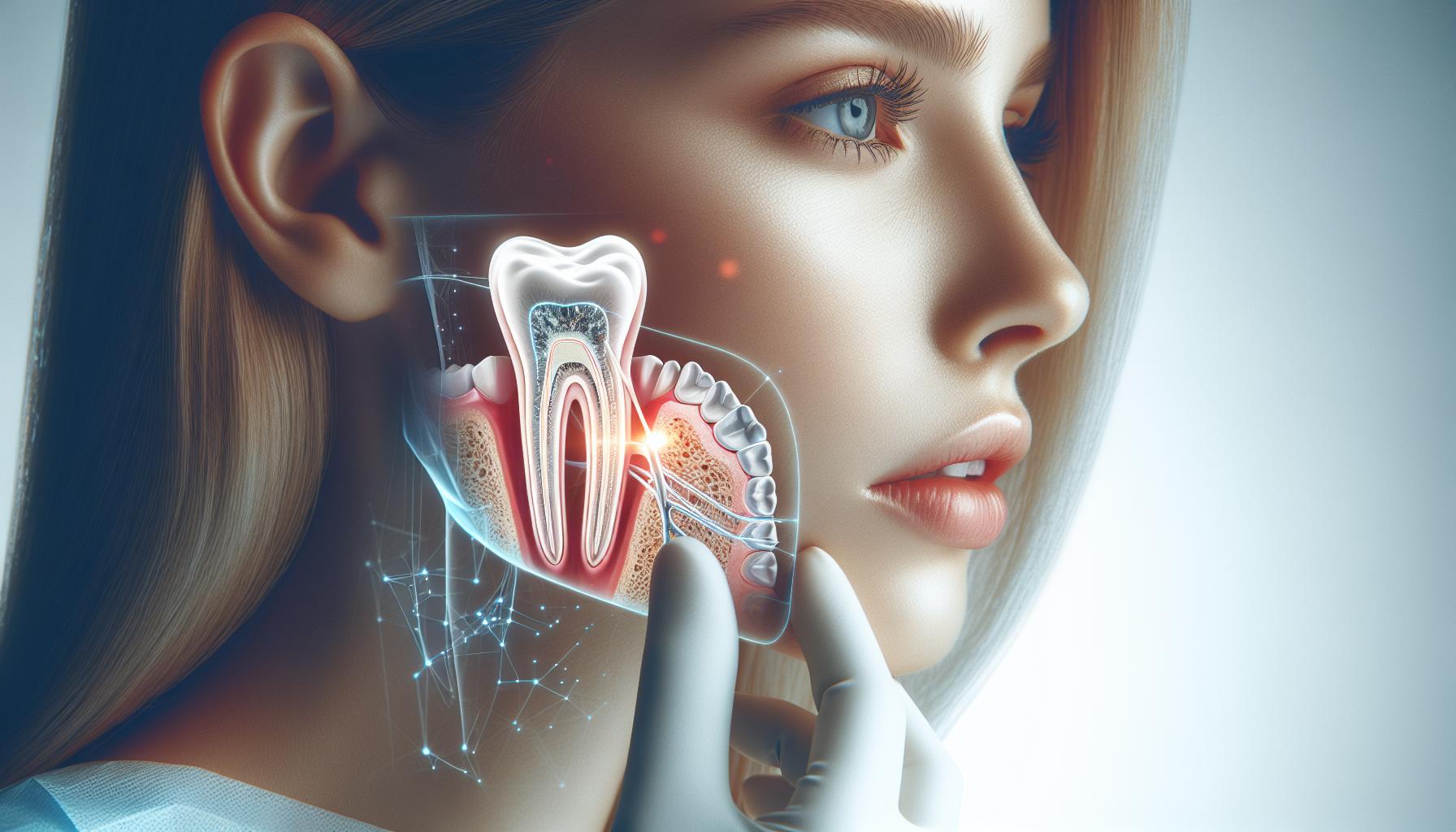
when it comes to dental hygiene, it’s not uncommon to find yourself battling against stubborn remnants of food lodged between your teeth. These pesky particles are not only annoying but can also lead to larger oral health issues if not addressed promptly. Understanding what commonly gets stuck in your teeth is crucial for maintaining your oral health and having a bright, confident smile.
Common Culprits of Food Particles
Many different foods can leave behind residues that get trapped between teeth. Here are some of the worst offenders:
- Fibrous Vegetables: Foods like celery and spinach can get caught in the nooks and crannies of your teeth due to their stringy nature.
- Seeds and Nuts: Small, hard seeds and nuts often find their way between teeth, especially those with irregular shapes.
- Meats: stringy cuts of meat can cling stubbornly to teeth,often requiring flossing for removal.
- Candy: Chewy candies and sweets can easily become stuck, leading to potential decay if not cleaned out thoroughly.
By knowing these common culprits, you can remain vigilant during meals and snack times, making it easier to spot potential issues as they arise.
Effective Removal Techniques
So, how can you quickly and effectively remove these particles? here are a few strategies to keep in your back pocket:
- Flossing: Regularly using dental floss is one of the best ways to remove food stuck between your teeth. It allows you to reach places where a toothbrush simply cannot.
- Interdental Brushes: These small brushes can be very effective for cleaning between teeth, especially for those who struggle with traditional floss.
- Water flossers: If you find traditional floss arduous, a water flosser may help dislodge stubborn bits of food using a powerful stream of pulsating water.
- Mouthwash: Rinsing with mouthwash can help wash away any loose particles and provide a fresh feeling.
By integrating these methods into your oral hygiene routine, you can mitigate any uncomfortable situations caused by food stuck in your teeth, ensuring your mouth remains clean and healthy.
If you find yourself frequently struggling with debris between your teeth, consider adjusting your diet or oral care habits. Cutting down on particularly sticky or fibrous foods, combined with diligent dental practices, can definitely help you maintain optimal oral hygiene and make the process of removing anything stuck in your teeth much simpler.
Quick Fixes: Methods to Remove Debris at Home
effective Methods for Quick Debris Removal
Removing debris from your home can sometimes feel as daunting as removing a stubborn piece of food lodged between your teeth. Just as there are fast solutions for dental emergencies, there are quick fixes for dealing with the clutter and mess that accumulate in our living spaces. Here are some practical methods to declutter effectively.
- Plan for Specific Debris Types: Different types of debris require different removal strategies. For example,yard waste such as leaves and branches might potentially be best handled with garden waste bags or a compost pile,while old furniture might necessitate a bulk pickup service.
- Utilize Local Services: When facing large quantities of debris, consider hiring professional cleanup services such as LoadUp. Their whole house clean out services are designed to swiftly handle the kind of mess that accumulates over time, with an emphasis on eco-friendly disposal methods [[1]].
- DIY Solutions: for smaller debris, investing in a WM Bagster can provide a convenient and economical solution. It holds up to 3,300 lbs of materials and is particularly useful for home projects or renovations [[2]].
- Regular Maintenance: Just as consistent dental hygiene prevents discomfort, regular decluttering helps maintain a clean and organized home. make it a habit to dispose of or donate items you no longer need every few months.
Choosing the Right Tools
When it comes to debris removal, using the right tools can make a notable difference. Here’s a quick reference table to help you choose appropriate tools for various debris types:
| Type of debris | Recommended Tool | notes |
|---|---|---|
| yard Waste | Garden bags | Consider biodegradable options. |
| old Furniture | Bulk Pickup Service | Check local disposal regulations. |
| Construction Debris | Dumpster Rentals | WM Bagster is a great option for DIY projects. |
| Miscellaneous Junk | Junk Removal Service | LoadUp offers eco-friendly options [[3]]. |
With these quick fixes, managing debris at home can be a streamlined process. By staying organized and proactive,you can keep your living space tidy,much like ensuring your dental health through consistent care.
Step-by-Step Guide: Flossing Your Way to a Cleaner Smile

Effective Flossing Techniques for a healthier Smile
Did you know that flossing is not just a cosmetic gesture but a vital step in maintaining your oral health? Regularly removing debris from between your teeth can substantially reduce your risk of cavities and gum disease.With the right technique, you can make the most out of your dental flossing routine. Whether you’re dealing with rogue food particles or simply trying to maintain a clean smile, mastering the art of flossing is crucial.
Here’s how to properly floss your teeth for optimal results:
- Choose Your Floss: Determine the best type of floss for your needs. Options include waxed, unwaxed, flavored, or dental tape. If you have tight spaces between teeth,waxed floss may glide better,whereas unwaxed floss provides a better grip.
- Use the Right Amount: Break off about 18 inches of floss. This length will allow you to use a clean section for each tooth, which helps prevent the transfer of bacteria.
- Insert the floss: Gently slide the floss between your teeth using a zigzag motion. It’s crucial to be gentle to avoid damaging your gums.
- Form a C-Shaped Curve: Wrap the ends of the floss around your index fingers, and use your thumbs to guide the floss. Curve the floss around the base of each tooth, making sure you go beneath the gum line.
- Move Up and Down: rub the floss against the tooth in an up-and-down motion to effectively dislodge food particles and plaque. Repeat this process for all teeth, ensuring you floss both sides.
- Don’t Forget the Back Teeth: These are frequently enough overlooked. Ensure you floss behind the last tooth on both sides of your mouth.
For those who may struggle with the traditional method, consider using a water flosser. These devices utilize a stream of pulsating water to help remove food particles and plaque,making them an excellent choice for individuals with braces or gum sensitivity.
Understanding When to Floss:
Flossing is generally recommended once a day, often in the evening before brushing your teeth. This routine helps remove the daily build-up of plaque and food particles, establishing a cleaner slate for your toothbrush to work effectively. Some studies suggest flossing before brushing can enhance fluoride effectiveness, making it a perhaps preferred order for your dental hygiene routine.
with consistent practice and a mindful approach, you can transform what may seem like a chore into a rewarding habit. As you develop your technique, your teeth will thank you with a cleaner, healthier smile free from the worries of dental issues. Following these steps closely will turn the challenge of removing food from between your teeth into a straightforward and efficient process, ensuring you remain on the path to excellent oral health.
When to Reach for the Toothpick: Safe Removal Techniques
Understanding Toothpick Use for Dental Maintenance
When it comes to dental hygiene, having the right tools can make all the difference. A toothpick, often overlooked, can be a surprisingly effective solution for addressing food particles stuck between your teeth.Tho, knowing when and how to use this small yet mighty implement is crucial for maintaining oral health. Regularly reaching for a toothpick after meals can prevent plaque buildup and help keep your mouth feeling fresh.
When is it Appropriate to Use a Toothpick?
Using a toothpick is best reserved for specific circumstances. Consider the following scenarios as appropriate times to employ this handy tool:
- After Eating: If you’ve just enjoyed a meal that leaves residue stuck between your teeth, a toothpick can help dislodge it.
- On the Go: When dining out or traveling, having a toothpick can provide a quick solution to uncomfortable food bits without needing to carry a full dental kit.
- when You Cannot Brush: In instances where brushing isn’t an option, a toothpick serves as a temporary fix until you can maintain more thorough oral hygiene.
Safety Tips for Using Toothpicks
While toothpicks can be beneficial, it’s essential to use them correctly to avoid damaging your gums or enamel.Here are some practical guidelines to ensure safe removal techniques:
- Choose the Right Type: Opt for toothpicks made from softer materials, like plastic or bamboo, as they are less likely to cause harm compared to wooden picks.
- Use Gentle Motions: Insert the toothpick carefully at a 45-degree angle and use gentle scraping motions to avoid injuring your gums.
- Avoid Excessive Force: Don’t apply too much pressure; if something won‘t remove easily, it’s best to stop and try a different approach, such as rinsing with water or using dental floss.
Alternative Options for Clean Teeth
While toothpicks can be effective, they are not a replacement for a thorough dental care routine. Incorporating other tools can enhance your dental hygiene efforts:
| Tool | Function | Usage Tips |
|---|---|---|
| Dental Floss | Removes debris and plaque between teeth | Use a gentle sawing motion to glide between teeth |
| Interdental brushes | Cleans wider gaps | Choose the appropriate size for your gaps |
| Mouthwash | Kills bacteria and freshens breath | Use as a rinse after brushing or flossing |
mastering the use of a toothpick can be a valuable addition to your oral hygiene toolkit, especially when food becomes trapped in hard-to-reach places. By understanding safe removal techniques and complementing them with other dental care practices, you can promote a healthier mouth and reduce the risk of cavities and gum disease.
The Role of Water Flossers: A Powerful Tool for Dental Hygiene
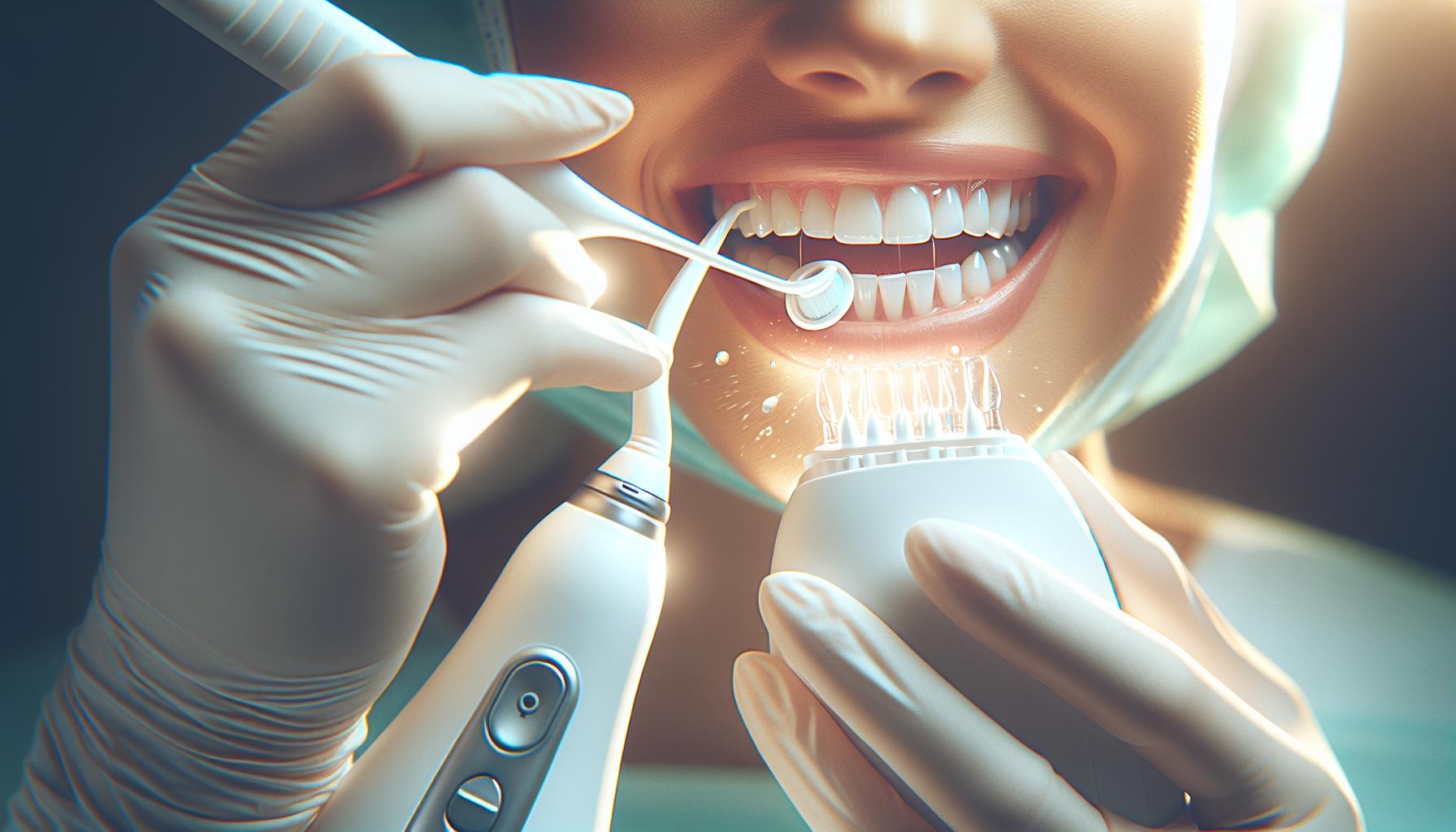
The Impact of Water Flossers on Dental Hygiene
Water flossers are emerging as a revolutionary tool in dental care, offering a powerful alternative to traditional string floss. Research indicates that these devices can effectively reduce plaque and improve gum health, making them an invaluable addition to anyone’s oral hygiene routine. Unlike conventional flossing, which can be tedious and less effective at accessing tight spaces between teeth, water flossers use a stream of pulsating water to remove food particles and debris.This not only enhances cleaning efficiency but also makes the process gentler on gums, reducing the likelihood of irritation or injury.
Benefits of Water Flossers
Incorporating a water flosser into your daily dental care can yield numerous benefits:
- Ease of Use: Ideal for individuals with braces, dental work, or limited dexterity.
- Advanced Cleaning: Effectively reaches areas that traditional floss might miss, ensuring a more thorough clean.
- Encouragement of Regular Use: The ease and efficiency of water flossers can promote consistent use, enhancing overall dental hygiene.
- Comfort: Many users find water flossing more cozy than traditional flossing, making it easier to maintain a daily routine.
Choosing the Right Water Flosser
When considering which water flosser to incorporate into your routine, consult recommendations from dental professionals to find the best fit for your needs.The American Dental Association (ADA) has cleared several water flossers that are especially effective for users with specific dental concerns, such as braces, crowns, or bridges [[2](https://www.vogue.com/article/best-water-flossers)].
| Feature | Model A | Model B | Model C |
|---|---|---|---|
| Pulsating Pressure | 10-100 PSI | 20-90 PSI | 30-80 PSI |
| Water Reservoir Capacity | 600 ml | 400 ml | 300 ml |
| Portability | Yes | No | Yes |
Water flossers offer a practical solution for those looking to enhance their dental hygiene routine. By integrating water flossing into your daily care, you can experience the benefits of improved gum health and a cleaner mouth, all while following the essential guidance on how to remove something from teeth quickly and effectively. This interactive approach not only addresses immediate dental concerns but also fosters long-term oral health.
Natural Alternatives: Household Items That Can Help
Natural Alternatives for Oral Hygiene
When it comes to dental care, many of us are on the lookout for effective solutions that not only ensure our oral health but are also eco-friendly. The good news is that there are numerous natural alternatives that can help you with minor issues like removing food particles stuck between your teeth. These alternatives can be both practical and gentle on your overall dental hygiene routine.
Common Natural Items to Help Remove Food Debris
Consider using readily available household items that can aid in cleaning your teeth. Here’s a brief list of effective natural alternatives:
- Floss Alternatives: Use a piece of waxed dental floss or shredded natural fiber for those tough-to-reach spots.
- toothpicks: Opt for wooden toothpicks that are biodegradable.They can effectively help in dislodging food particles without damaging your gums.
- Saltwater Rinse: A warm saltwater rinse not only helps in removing debris but can also soothe irritated gums. Mix a teaspoon of salt in a cup of warm water and swish around.
- Baking Soda: This kitchen staple is a mild abrasive that can aid in cleaning stains from teeth. Just mix it with water to form a paste, apply it gently, and rinse thoroughly.
Convenient and Safe Practices
Incorporating these natural alternatives into your daily routine can not only reduce your dependence on plastic products but also promote a more sustainable approach to oral hygiene. For instance, using a bamboo toothbrush can minimize plastic waste, while natural toothpaste alternatives can help avoid harsh chemicals.
When exploring ways on how to remove something from teeth quickly, ensure that you do so gently to prevent any injury to your gums. A cautious approach is essential for maintaining overall dental health. By making these small changes, you are not only contributing to a healthier you but also to a healthier planet.
Professional Solutions: Knowing When to Consult Your Dentist
Recognizing When Professional Help is Essential
Even the most careful eaters can sometimes find food particles stubbornly wedged between their teeth. While there are various quick fixes, such as dental floss or toothpicks, these methods aren’t always sufficient. If you’re struggling with discomfort or your DIY attempts have failed, it’s crucial to understand when it’s time to visit your dentist. Ignoring the problem can lead to more severe issues, such as cavities, gum disease, or infections.
Common Signs That Indicate the Need for Dental Expertise
Here are some key indicators that you should consult a dental professional:
- persistent Pain or Discomfort: If you experience ongoing pain in the area where the food is trapped, it may be a sign of an underlying issue such as tooth decay or gum disease.
- Swelling or Inflammation: Red, swollen gums near the affected area can indicate infection, prompting an immediate dental visit.
- Bleeding Gums: This can signal a problem that can worsen without professional intervention.
- Bad Breath: Foul odors can result from food deposits that bacteria feed on, which may require professional cleaning.
Benefits of Consulting Your Dentist
When you seek help from a dental professional, you benefit from their expertise and specialized tools. Dentists can effectively remove trapped debris, reducing the risk of complications that can arise from home remedies. they also offer valuable advice on proper oral hygiene practices to prevent future occurrences. A routine check-up can catch problems early, saving you time and money in the long run.
| Professional Services | Benefits |
|---|---|
| Thorough Cleaning | Removes plaque and tartar that contribute to dental problems. |
| diagnostic Tools | Identifies hidden issues that might not be apparent with the naked eye. |
| Customized Advice | Offers tailored tips for better oral hygiene based on your dental health. |
Understanding when to seek professional solutions is vital for maintaining optimal oral health. if you’re unsure or if symptoms persist despite your efforts, don’t hesitate to contact your dentist for assistance.
Preventive Care: Tips for Keeping your Teeth Debris-Free
Effective Techniques for Maintaining Debris-Free Teeth
Did you know that nearly 80% of adults suffer from some form of gum disease at some point in their lives? Keeping your teeth free from debris is crucial not just for aesthetic reasons but also for your overall oral health. To achieve this, incorporating a few essential practices into your daily routine can prevent plaque buildup, tooth decay, and gum disease.
- Brush Twice Daily: Using fluoride toothpaste,brush your teeth at least twice a day. Focus on all surfaces of each tooth for a minimum of two minutes. this will help remove food particles and plaque effectively.
- Floss Regularly: Flossing should be a non-negotiable part of your dental care routine. By removing debris from between your teeth, you reduce the risk of cavities and gum disease.
- Use Mouthwash: An antibacterial mouthwash can definitely help eliminate lingering bacteria and freshen your breath.Look for ingredients like chlorhexidine or cetylpyridinium chloride to enhance your cleaning routine.
- Regular Dental Check-Ups: Visiting your dentist every six months for professional cleanings can catch problems early, ensuring your mouth remains healthy and debris-free.
Additional Preventive Measures
To further enhance your preventive care, consider the following practical tips:
- Avoid Sugary Foods: Reducing sugar intake will minimize plaque formation since bacteria thrive on sugar.
- Stay Hydrated: Drinking plenty of water helps wash away food particles and bacteria, keeping your mouth cleaner.
- Chew Sugar-Free Gum: Chewing gum after meals can stimulate saliva production, which naturally cleanses the mouth.
By implementing these strategies, you can ensure your teeth remain clean and healthy, drastically reducing the need for emergency solutions regarding debris removal. Regularly integrating these habits into your life will serve as proactive measures in maintaining your oral health and could even save you from the urgent need to know “how to remove something from teeth” swiftly in the future.
FAQ
How can I quickly remove something stuck in my teeth?
If you have something stuck in your teeth, you can frequently enough remove it quickly by flossing gently or using a toothpick. These methods can dislodge food particles effectively without damaging your gums.
Start by using a piece of dental floss. Gently slide it between your teeth to catch the debris. If that doesn’t work, a soft toothpick can help. Though, be careful not to injure your gums while using these tools. If the debris persists, consider rinsing with warm saltwater, as it may help to loosen it further.
What is the best way to remove food particles from teeth?
The best way to remove food particles from your teeth is by using dental floss. Flossing cleans areas between your teeth where a toothbrush might not reach, ensuring your dental hygiene.
After eating, especially if you’ve consumed fibrous or sticky foods, use floss to gently dislodge any remaining particles. Regular flossing not only removes food but also helps prevent plaque buildup and gingivitis, contributing to overall oral health.
Why does something get stuck between my teeth?
Food particles can get stuck between teeth due to the shape of your teeth, eating habits, or poor dental hygiene. Foods that are fibrous, sticky, or hard are particularly prone to causing issues.
It’s also common for spaces between teeth to capture smaller pieces of food, leading to discomfort. Insufficient brushing and flossing can further exacerbate this problem, as buildup of plaque can create a rough surface that traps more food. Regular dental check-ups can help address these issues.
Can I use a needle to remove something from my teeth?
It is indeed not recommended to use a needle for removing debris from teeth due to the risk of gum injury. Instead,try dental tools designed for this purpose,such as floss or a toothpick.
Using a needle can cause more harm than good, potentially leading to infection or damage to your gums. Stick to safer methods, and if you’re unsure, consulting your dentist is the best course of action.
Is it safe to use a toothpick for removing food from teeth?
Yes, it is indeed generally safe to use a toothpick if done carefully. Make sure to use a wooden or plastic toothpick and avoid using excessive force to prevent gum injury.
Using a toothpick can definitely help dislodge unwanted food particles effectively. However,if you notice bleeding or persistent discomfort,it’s best to stop and consult with a dental professional. Maintain a gentle touch to protect your gums.
When should I see a dentist about something stuck in my teeth?
If you cannot remove the object after several attempts or experience pain, swelling, or bleeding, it’s vital to see a dentist. Professional intervention may be needed to avoid further complications.
Dental professionals have the tools and expertise to safely remove foreign objects without causing additional damage. Leaving an object lodged in your dental space can lead to more serious issues like infection or decay, making timely dental visits essential.
What are some home remedies to loosen something stuck in my teeth?
To loosen something stuck in your teeth at home, you can rinse your mouth with warm salt water or use mouthwash. These methods can help reduce inflammation and loosen debris.
Another effective method is to chew sugarless gum, which can create saliva that naturally helps to wash away food particles. Always remember to floss gently afterward to clear anything that remains.
Closing Remarks
maintaining your oral health is vital, and knowing how to address things stuck in your teeth can make a world of difference. We’ve explored various fast solutions, from using dental floss and interdental brushes to rinsing with saltwater and seeking professional assistance. Remember, while many minor issues can be tackled at home, don’t hesitate to consult your dentist when needed – their expertise is invaluable. Empower yourself with these practical tips, and take charge of your dental care. For more insights or detailed guidance, continue exploring our resources to keep your smile bright and healthy!
Get our latest guides, news, and insights highlighted in your Google Search & AI Overviews.