

Getting dental floss stuck between your teeth can be a frustrating experience, leaving you in search of quick relief. Knowing effective techniques to remove stubborn floss is crucial for maintaining your oral hygiene and comfort. This guide provides simple solutions to help you free your teeth from pesky floss without teh hassle.
Understanding Why Floss Gets Stuck in Your teeth
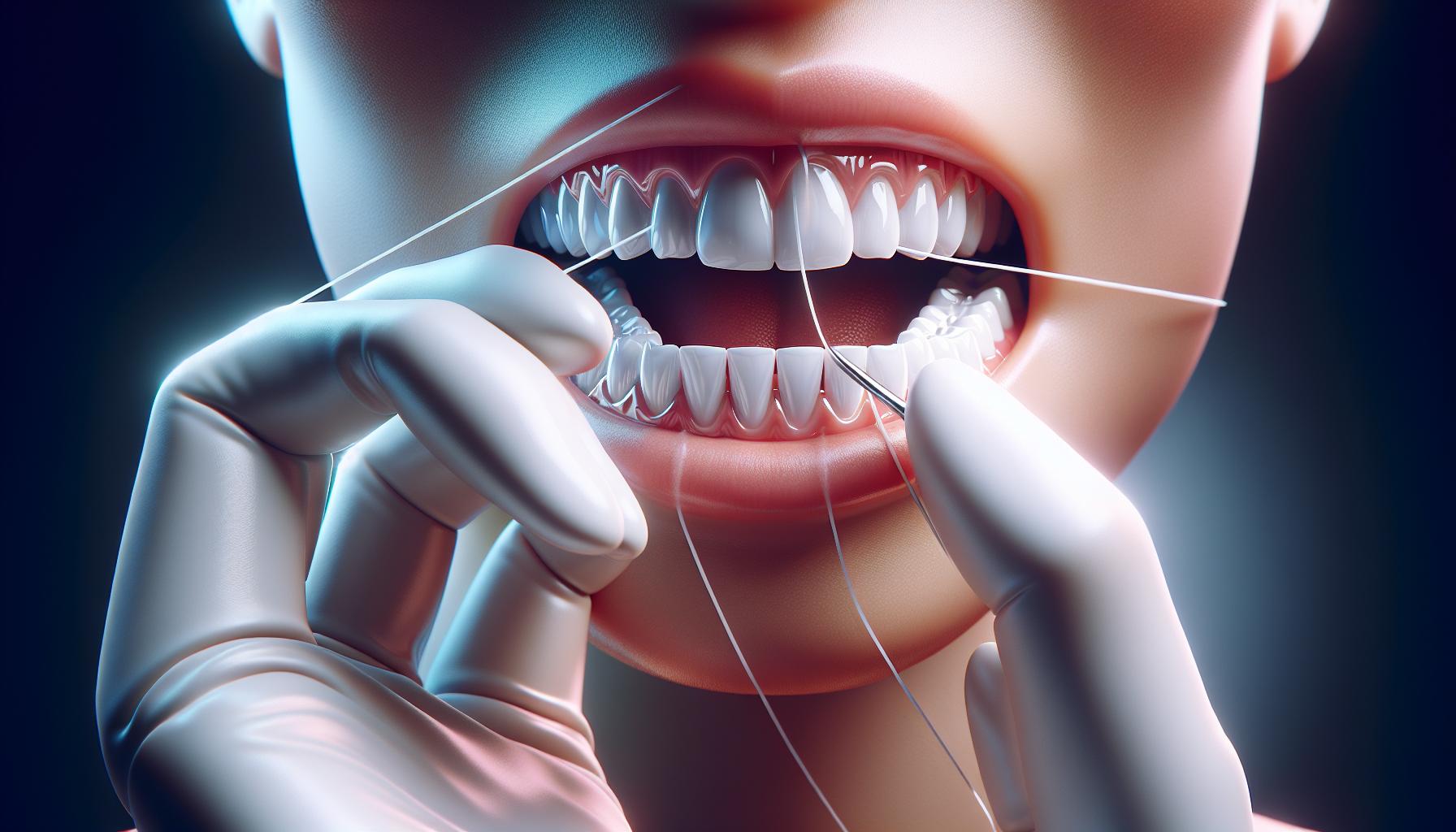
Have you ever found yourself grappling with a stubborn piece of dental floss wedged tightly between your teeth? This common dental dilemma can easily lead to frustration, but understanding the underlying reasons can help you address it more effectively. Floss can get stuck for several reasons, ranging from the condition of your teeth to how you use the floss itself.
One primary factor is the shape and alignment of your teeth. If you have crooked or overly crowded teeth, the spaces between them may trap floss more easily. Moreover, dental work such as crowns, bridges, or fillings can create uneven surfaces that snag the floss. It’s essential to be aware of your dental structure and adjust your flossing technique accordingly to mitigate these issues.
Moreover, the type of floss you use plays a significant role in preventing snags.Thick, waxed floss may glide easily between teeth with larger gaps, while unwaxed or thinner floss is better suited for tighter spaces. If you’re constantly finding that floss gets stuck, consider exploring different options to find what works best for you. Here’s a quick rundown of floss types and their recommended uses:
| Type of Floss | Best For | Features |
|---|---|---|
| Waxed Floss | Tight spaces | Less likely to fray; easier to slide between teeth. |
| Unwaxed Floss | Normal spacing | Thinner; may provide more tactile feedback. |
| Floss Picks | Quick use | Convenient for on-the-go; less effective for tight areas. |
| Tepe Interdental Brushes | Wider gaps | Great for larger spaces; can aid in more thorough cleaning. |
Lastly, improper flossing technique can aggravate the issue of floss getting stuck. Ensure that when you floss,you use a gentle sawing motion to prevent it from bunching up. Avoid forcing the floss, as aggressive actions can lead to fraying or breaking, further complicating its removal. Adjusting angles and being mindful of pressure can make a significant difference in your flossing routine.
By recognizing the reasons why floss can get trapped, you can implement practical strategies from the guide on how to get floss out of teeth and create a more seamless and effective oral hygiene experience.
Quick Tips to Safely Remove Floss Without Hurting Your Gums
Flossing is an essential part of maintaining oral hygiene, but sometimes the aftermath can leave you wondering how to safely remove that pesky floss without harming your gums. Using floss effectively means keeping your gums healthy while also preventing discomfort when removing it. Here are some practical tips to ensure a pain-free experience.
Gentle Techniques for Safe Removal
- Use Slow, Controlled Motions: When removing the floss, avoid sudden pulls. Rather, gently slide it back out using smooth movements. This minimizes the risk of irritating your gum tissue.
- Keep It Taut: While flossing, maintain a gentle tension on the floss. This helps it glide between your teeth and makes it easier to remove later without digging into your gums.
- Choose the Right Floss: Opt for waxed dental floss, which tends to slide more easily between teeth and is less likely to shred or cause gum irritation compared to unwaxed varieties.
Post-Flossing Care
After you’ve finished flossing, it’s significant to assess your gums for any signs of bleeding or irritation. Here’s what you can do:
- Rinse with Water: This helps wash away any debris and soothe your gums.
- Consider a Saltwater Rinse: A mild saltwater solution can also help reduce inflammation and promote healing if your gums feel tender.
| Floss Type | Benefits |
|---|---|
| Waxed Floss | Easier to slide between tight teeth and less likely to break |
| Unwaxed Floss | Can be better for some users who prefer a thinner option, but may shred more easily |
| Floss Picks | User-friendly and convenient for on-the-go flossing, but should be used gently |
By following these quick tips, you’ll not only enhance your flossing technique but also maintain the overall health of your gums. Remember, the goal is to keep your mouth clean while ensuring your gummy smiles stay intact!
Common Mistakes to Avoid When Using Dental Floss
Flossing is essential for maintaining optimal oral health, yet many people overlook correct techniques. Addressing common mistakes can dramatically enhance your dental hygiene routine and help ease the frustration of floss getting stuck between your teeth. Understanding how to effectively navigate the flossing process not only prevents discomfort but also optimizes the benefits of this crucial habit.
Using the Wrong Type of Floss
Choosing the appropriate type of dental floss can substantially impact your flossing success. not all teeth require the same kind of floss—some might potentially be better suited for tight spaces, while others might benefit from waxed or unwaxed varieties. Using the wrong type may lead to ineffective cleaning and potential damage to your gums.To find the right match for your dental needs, consider visiting your dentist for personalized advice [[2]].
Flossing Technique Errors
The way you manage dental floss can also lead to common problems. Flossing too hard can cause gum irritation and, over time, may worsen gum health [[1]]. Rather, adopt a gentle approach:
- Slide the floss between your teeth gently, forming a “C” shape around each tooth.
- Use a clean section of floss for each tooth, ensuring you’re not pushing food debris further into the gums.
Frequent flossing is essential, but overdoing it can lead to bleeding and soreness. If you notice blood during flossing, this could indicate that your gums are inflamed due to improper technique or lack of care [[3]]. Make sure to integrate a balanced routine that includes correct flossing at least once daily, ideally before brushing.
Ignoring the Entire Tooth Surface
One of the most critical Mistakes is neglecting to floss both sides of each tooth. Many people rush through flossing and only target one side, leading to missed plaque and potential cavities.To ensure a comprehensive clean:
| Flossing Dos | Flossing Don’ts |
|---|---|
| Always floss between each tooth. | Do not skip teeth or assume brushing is enough. |
| Utilize a proper technique for each tooth. | Avoid aggressive scraping, which can harm gums. |
| Change sections of floss frequently. | Don’t reuse the same piece of floss for multiple teeth. |
By incorporating these tips into your routine, you can reduce the risk of floss getting stuck in your teeth and enhance your overall oral care strategy. Understanding these common pitfalls is the first step towards mastering the art of flossing and reaping the long-term benefits of improved dental health.
Alternative Tools for Floss Removal: What Works Best?
When conventional floss gets caught or tangled between your teeth, it can lead to discomfort and frustration. Fortunately, there are several effective alternatives that can help with floss removal, allowing you to maintain your oral hygiene without the irritation associated with floss. Understanding these tools can not only save you from a sticky situation but can also enhance your overall dental care routine.
Water Flossers are a popular choice among those looking for a gentler yet effective way to clean between teeth. These devices use a stream of pulsed water to remove food particles and plaque from interdental spaces. A study demonstrated that water flossers can reduce gum bleeding and improve overall oral health just as effectively as traditional flossing.They are especially beneficial for individuals with braces or those who find conventional flossing challenging.
Interdental Brushes are another fantastic option. Shaped like small brushes, they can fit into varying gaps between teeth, effectively removing debris and plaque. Their ability to clean larger spaces makes them suitable for anyone,especially those with dental work like bridges or implants. Research indicates that interdental brushing can be more effective than string floss when it comes to reducing gum disease.
Floss Picks add convenience to the flossing process. These handy tools combine a small piece of floss with a plastic handle, making it easier to access hard-to-reach areas. Floss picks are user-friendly and travel-friendly, making them a great option for on-the-go dental care. While they may not reach all the nooks and crannies and also traditional floss or interdental brushes, they still provide an effective means of maintaining dental hygiene.
Here’s a quick comparison of the alternative tools you might consider:
| Tool Type | Ease of Use | Effectiveness | Best For |
|---|---|---|---|
| Water Flosser | Easy | High | Braces, sensitive gums |
| Interdental Brush | Moderate | Very high | Large gaps, implants |
| Floss Pick | very Easy | moderate | On-the-go, quick cleaning |
Incorporating these alternatives into your routine can provide quick relief when faced with stubborn floss, ensuring your smile remains healthy and shining. Whether you’re considering a water flosser for its effectiveness or opting for the simplicity of interdental brushes, these tools offer valuable options to enhance your dental care.
When DIY Solutions Aren’t Enough: Knowing when to See a Dentist
Understanding the Limits of DIY Dental Care
Despite our best efforts, there are times when home remedies and DIY solutions simply won’t suffice when it comes to dental health. For instance, while learning how to get floss out of teeth may offer a temporary fix for a frustrating situation, you might encounter issues that require professional attention. If efforts to dislodge the floss yield discomfort, persistent pain, or even bleeding, it is crucial to seek the expertise of a dentist. Ignoring these symptoms could lead to more significant dental problems, including infections or gum disease.
Signs It’s Time to call a Dentist
recognizing when to reach out to a dental professional can save you from unnecessary complications. Here are some key indicators:
- Persistent Pain: If you’re experiencing ongoing tooth or gum pain that doesn’t subside after trying basic solutions, it’s time to seek help.
- Swelling or Inflammation: Noticeable swelling around your gums or face can be a sign of infection, warranting immediate dental care.
- Difficulty Eating or Drinking: if chewing or swallowing becomes painful or difficult, professional intervention is necessary.
- Excessive bleeding: While some bleeding is normal when flossing,if it continues beyond the initial removal of floss,consulting with a dentist is essential.
Advantages of Professional Dental Care
When you decide to consult with a dentist, you gain access to solutions that go beyond what DIY methods offer. Dental professionals can:
- Carefully assess the situation with professional tools and techniques.
- Eliminate any remaining debris safely and effectively.
- Check for underlying issues that could cause future complications.
By knowing the boundaries of self-care, you empower yourself to maintain your dental health effectively. Incorporating a comprehensive dental checkup routine with these insights ensures that you address any concerns promptly and keep your smile bright and healthy. for more information on when to seek dental care, advanced treatments, and preventive measures, consulting professional resources such as Mayo Clinic can provide valuable guidance [[1]](https://www.mayoclinic.org/tests-procedures/dental-implant-surgery/about/pac-20384622).
Preventative Measures: How to Floss Effectively to Avoid Jammed Strands
Flossing Techniques to Prevent Jammed Strands
Did you know that improper flossing techniques not only reduce the effectiveness of dental hygiene but can also lead to frustrating situations where floss becomes jammed between teeth? By adopting effective flossing methods,not only can you maintain good oral health,but you can also avoid the hassle of dealing with stuck floss. Here are some key strategies to floss effectively, ensuring your strands glide smoothly between your teeth.
Use Enough Floss
starting with the right amount of floss is crucial. Use approximately 18 inches of floss—this length allows you to have enough surface area to maneuver between your teeth without risking it becoming trapped. Wind most of the floss around each middle finger, leaving about 1-2 inches to work with. This prevents excess tension which can cause the floss to fray or get caught, providing you with better control and avoiding potential tangling or jamming [[1](https://www.colgate.com/en-us/oral-health/brushing-and-flossing/flossing-how-to)].
Gentle Technique Matters
When you insert the floss between your teeth, remember that gentleness is key. Slide the floss up and down along the sides of each tooth while being careful not to snap it into your gums. As the floss approaches the gum line,gently curve it around the base of each tooth in a “C” shape. This technique not only cleans more effectively but also minimizes the risk of the floss catching or breaking [[2](https://www.healthline.com/health/how-to-floss)].
Common Mistakes to Avoid
- Using a sawing motion: This can cause the floss to break and jam.
- Using too little floss: Insufficient length can lead to excessive tension.
- Flossing too aggressively: This can cause discomfort and lead to injury.
By integrating these preventive measures into your flossing routine,you can significantly reduce the chances of encountering stuck floss. Should you ever find yourself in the unfortunate position of having floss jammed between your teeth, remember the guidance from “How to get Floss out of Teeth: Simple Solutions for Quick Relief,” which emphasizes gentle manipulation and possibly utilizing tools like a floss threader or an interdental brush for relief [[3](https://www.minthilldentistry.com/video/proper-flossing-technique)].
Expert Advice: Professional Techniques for Persistent Floss Issues
Flossing Misadventures: Understanding the Root Causes
Many people encounter the frustrating issue of floss getting stuck between their teeth, which can lead to discomfort and a real headache. The primary culprits behind these stubborn situations often include tight contacts between teeth,improper flossing technique,or using the wrong type of floss for your dental structure. To effectively address these persistent flossing issues, consider consulting with your dental professional who can provide tailored advice and solutions.
Professional Techniques and Tools
When faced with the challenge of floss stuck in your teeth, it’s essential to employ professional techniques that prioritize both your oral health and comfort. Here are some actionable strategies recommended by dental experts:
- Use a Floss Threader: This handy tool helps navigate tight spaces between teeth.It allows you to use traditional floss even in tricky areas, making it easier to dislodge stuck segments.
- Consider Waxed Floss: Unlike unwaxed options, waxed floss slides more smoothly between teeth, reducing the likelihood of tangling or getting stuck.
- Adopt the C-Shape Technique: Rather of forcing floss straight between teeth, curve it around each tooth in a C-shape. This technique gently massages the gums and helps ensure a thorough clean.
- Seek Professional Help: If you find yourself frequently battling stubborn floss, don’t hesitate to consult your dentist. They can identify any underlying issues, such as cavities or poorly aligned teeth, that may contribute to these problems.
Aftercare for Stubborn Situations
After successfully removing stubborn floss, follow up with effective aftercare to minimize any discomfort. Rinse your mouth with warm salt water to soothe irritated gums and reduce inflammation. If the area feels tender, applying a cold compress can provide additional relief. Maintaining a consistent flossing routine with the right techniques and tools can significantly reduce the chances of encountering stuck floss in the future.
By incorporating these expert techniques into your dental routine, you will not only gain quick relief from pesky flossing issues but also elevate your overall oral hygiene. For a deeper understanding of how to navigate these challenges, consider reading comprehensive guides on effective flossing techniques to ensure optimal dental health.
Dealing with Frayed Floss: Tips to Keep Your Dental Routine Smooth
Dealing with frayed floss can be a frustrating experience, but understanding how to manage it effectively can transform your dental routine. Frayed floss not only makes the task of cleaning your teeth more difficult but can also be a signal that you’re using the wrong type or technique. Finding solutions to this common issue is important for maintaining optimal oral health and ensuring that your flossing regimen is seamless and productive.
Why Floss Frays
Floss can fray for several reasons, including improper technique, the type of floss used, and the condition of your teeth and gums. For instance,using a waxed dental floss on teeth with rough edges can cause the floss to tear easily. Similarly, applying too much force when sliding the floss between teeth can lead to quick wear and tear. to prevent this, consider evaluating both your flossing technique and the products you use.
Tips for Managing Frayed Floss
To keep your dental routine smooth despite facing frayed floss,here are some actionable tips:
- Choose the Right Type of Floss: Select a dental floss that suits your dental concerns. For tight spaces, a thin waxed floss may work better, while a thicker, unwaxed floss can be more effective for wider gaps.
- Practice Proper Technique: Be gentle when inserting the floss between your teeth. Use a sawing motion rather of forcing the floss through areas where it feels stuck.
- Change Floss Regularly: If you notice fraying, it might potentially be time to switch to a fresh section of floss. This not only helps to clean better but also reduces the chance of leaving residue.
- Consider Alternatives: If you frequently encounter issues with traditional floss, try alternatives like dental tape, water flossers, or interdental brushes that could provide a more comfortable experience.
Real-World Example
Imagine you’re getting ready for bed, and your floss frays while you’re struggling to dislodge food particles stuck between your teeth. Rather of panicking, remember these tips: opt for a different type of floss, such as a water flosser, which can easily navigate tight spaces without risk of fraying.This not only maintains your oral hygiene routine but also alleviates the frustration associated with traditional flossing.
dealing with frayed floss does not have to hinder your commitment to oral health.By selecting the right floss, utilizing proper technique, and considering alternatives, you can ensure that your dental routine remains effective and stress-free. For further insights on maintaining your flossing routine,explore methods on “how to Get Floss Out of Teeth: Simple Solutions for Quick Relief,” focusing on how to handle those tricky situations effectively.
Frequently Asked Questions
How to Get Floss Out of Teeth: Simple Solutions for quick Relief?
To remove floss stuck between your teeth,gently wiggle the floss back and forth to loosen it. If this does not work, carefully use a toothpick to help guide it out without damaging your gums.
the key is to remain calm and avoid pulling too hard, as this might injure your gums. If the floss remains stuck, consider a dental tool specially designed for this purpose. occasionally, dental offices provide assistance for situations like this.
What should I do if floss is stuck in my braces?
If you have braces and floss gets stuck, use orthodontic wax to ease discomfort and carefully consult your orthodontist. They can help remove it safely.
Braces can complicate flossing, making it easier for floss to become stuck.Always use waxed floss designed for braces. If you need immediate help, a gentle push with a toothpick can sometimes help guide the floss out.
Why does floss get stuck in my teeth?
Floss can get stuck due to tight contacts between teeth, uneven surface enamel, or using an incorrect technique. Waxed floss tends to slide more easily between teeth.
To prevent this, ensure you are using the right type of floss and technique. Consider using a glide-type floss that can accommodate tight spaces better. Regular dental visits can also address issues like binding.
Can I use other tools to remove floss from my teeth?
Yes, if floss is stuck, you can use a toothpick, interdental brush, or a dental tool designed for floss removal. These can definitely help dislodge stubborn floss.
Just be gentle when using these tools to avoid damaging your gums. It’s also an excellent idea to keep dental tools at home as part of your oral hygiene toolkit.
How to properly use floss to prevent it from getting stuck?
To prevent floss from getting stuck, use a waxed variety and gently curve the floss around each tooth, sliding it in an up-and-down motion. Avoid forcing it between tight spaces.
Make sure to use enough floss — about 18 inches, which allows you to use a clean section for each tooth. Regular practice will make flossing easier and reduce the chances of causing discomfort.
When should I see a dentist for stuck floss?
If you cannot remove the floss after several gentle attempts,it’s advisable to see a dentist. They can safely extract it and check for any underlying issues.
Don’t hesitate to call your dentist, especially if you’re experiencing pain or swelling. Regular check-ups can help ensure your dental health remains uncompromised.
What are some tips for removing floss safely?
Always remain calm and use a gentle approach when removing stuck floss. If necessary,consider using lubrication by applying a small amount of water or mouthwash.
By avoiding excessive force, you reduce the risk of injury to your gums. Keeping a small dental tool handy can also provide a backup when flossing goes awry.
Final Thoughts
dealing with floss stuck between your teeth can be a common yet stressful experience. Remember, there are effective methods to resolve this issue quickly and safely, such as using gentle rocking motions or incorporating tools like interdental brushes for added convenience.Regular flossing not only helps prevent plaque buildup but also reduces the risk of gum disease, making it an essential part of your dental hygiene routine [1[1][3[3]. While flossing itself may raise questions about necessity, the benefits of maintaining clean, healthy gums are clear [2[2]. If you’re unable to dislodge the floss on your own, don’t hesitate to reach out to a dental professional for assistance. Empower yourself with these practical tips and keep your smile bright and healthy! For more insights and helpful tips, explore our other articles on dental care.
Get our latest guides, news, and insights highlighted in your Google Search & AI Overviews.


