Navigating life after wisdom teeth removal can be challenging, especially for smokers wondering when it’s safe too light up again.Understanding the risks associated with smoking during the healing process is crucial to prevent complications like dry socket. This article explores essential guidelines and healthier alternatives to ensure your recovery is smooth and effective.
Understanding the Impact of Smoking on Healing Post-Surgery
Smoking can significantly hinder the healing process after surgical procedures,including the removal of wisdom teeth. This disruption occurs due to the harmful effects that smoking has on blood circulation and tissue recovery. Understanding these impacts is crucial for anyone navigating the post-operative landscape and contemplating whether to smoke during recovery.
How Smoking Impairs Healing
Reduced Blood Flow: Smoking introduces chemicals that narrow blood vessels, leading to a decrease in blood flow. This reduced circulation limits the oxygen and nutrients that are essential for healing wounds, which can prolong recovery time and increase the risk of complications such as infections [[1](https://madeforthismoment.asahq.org/preparing-for-surgery/risks/smoking/)].
Higher Risk of Infection: The toxic substances in tobacco smoke can not only slow the healing process but also create an environment conducive to infections. Post-operative infections are considerably more likely in smokers, which can lead to further medical issues and may require additional treatments [[2](https://www.footcaremd.org/resources/how-to-help/how-smoking-affects-healing)].
Complications from Smoking After Wisdom Teeth Removal
When considering how to smoke after you get your wisdom teeth out,it’s important to be aware of the potential complications that might arise. Smoking immediately after surgery poses the following risks:
- Dry Socket: One of the most common issues for smokers post-surgery is a condition known as dry socket.This painful complication occurs when the blood clot at the extraction site is dislodged or fails to develop properly, often exacerbated by the act of sucking on cigarettes.
- Increased Pain and Discomfort: Smokers have reported higher levels of pain and discomfort following dental surgeries, likely due to the slower healing process and heightened inflammation [[3](https://cornerstonephysio.com/resources/impact-of-smoking-on-healing-from-injury-and-surgery/)].
Practical Advice for smokers
For those who smoke and are facing surgery, here are some actionable tips to consider:
| Strategy | Description |
|---|---|
| Quit Before Surgery | Aim to stop smoking at least 2 weeks prior to surgery to improve your chances of better healing outcomes. |
| Delay Smoking | If quitting is not feasible,try to delay smoking for at least 72 hours post-surgery to allow initial healing. |
| Consider Alternatives | Explore alternatives such as nicotine patches or gum to manage cravings without the risks associated with smoking. |
Understanding the negative impact of smoking on healing after wisdom teeth removal is vital for ensuring a smooth recovery. By prioritizing cessation or at least delaying smoking, individuals can significantly enhance thier healing processes and reduce the risk of complications, ultimately leading to a more comfortable recovery journey.
Risks to Consider: Why Smoking After Dental Surgery is Problematic

Smoking after dental surgery, notably wisdom teeth extraction, poses notable risks that can hinder recovery and lead to complications. One of the most immediate concerns is the impact of smoke on the healing process. When you inhale cigarette smoke, you introduce harmful chemicals that can interfere with your body’s ability to recover effectively. This can lead to an increased risk of infections at the surgical site, perhaps prolonging pain and discomfort.
Impact on Blood Flow and Healing
A crucial factor in post-surgical recovery is blood flow, which is essential for delivering nutrients and oxygen to the healing tissues. Smoking constricts blood vessels and impairs circulation, which can dramatically delay the healing of your gums after wisdom tooth extraction. Smokers are also more likely to experience dry sockets,a painful condition where the blood clot at the extraction site becomes dislodged,exposing bone and nerves to air and food particles.
Complication Risks and Recommendations
To further illustrate the risks of smoking post-surgery, consider these common complications associated with smoking after dental procedures:
- Increased Risk of Infection: Smoking can distort the immune response, making it harder for your body to ward off infections.
- Pain and Discomfort: Complications such as dry sockets can lead to severe pain,diminishing your quality of life during recovery.
- Prolonged Recovery: If healing is compromised, your recovery may take significantly longer, affecting your ability to return to normal activities.
For those contemplating smoking after wisdom teeth removal, it’s vital to weigh these risks carefully. If quitting altogether seems daunting, consider alternatives such as nicotine patches or gradual reduction strategies to help manage cravings while allowing your body the best chance to heal effectively.
Practical Steps for a Safer Recovery
To facilitate a smoother recovery, adhere to the following recommendations:
| Action | Benefit |
|---|---|
| Quit Smoking | Reduces infection risk and aids healing. |
| Follow Post-Op Care Instructions | Ensures proper care of the surgical site. |
| Stay Hydrated | Promotes overall health and supports healing. |
| Avoid Strenuous Activity | Prevents additional strain on healing areas. |
Understanding the risks associated with smoking after wisdom teeth removal is crucial for anyone looking to recover quickly and without complications. Prioritize your healing process by considering these guidelines while exploring the alternatives to smoking, as this could make a significant difference in your recovery journey.
Alternatives to Smoking: Exploring Healthy Coping Strategies

While many individuals consider smoking as a coping mechanism following stressful events, such as dental surgeries, there exist healthier alternatives that can promote recovery without the risks associated with smoking. Utilizing safe and effective strategies not only helps manage post-operative discomfort but also supports overall well-being.
Healthy Alternatives to Smoking
Instead of turning to cigarettes, embracing mind-body practices can significantly enhance your coping abilities during recovery. Techniques like yoga and meditation offer a holistic approach, fostering relaxation and reducing stress—a crucial aspect when navigating the discomfort after wisdom teeth removal. actually,studies indicate that such practices can yield benefits in pain management and emotional regulation,presenting a drug-free option worth considering [[1]].
Another powerful method to manage cravings and stress is to implement a range of coping strategies. Here are some that can be particularly effective:
- Delayed Response: When you feel the urge to smoke, try delaying any action for 10 minutes. Often, cravings subside naturally over time.
- Deep Breathing Exercises: Take a moment to breathe deeply. Inhale slowly for a count of three, hold your breath for a count of three, and exhale for a count of six. This can reduce anxiety and promote relaxation.
- Engagement in Activities: Distract yourself by engaging in hobbies or light activities.Reading,drawing,or even a simple walk can shift your focus away from cravings.
The Role of social Support
Building a support network is essential for anyone looking to quit smoking, especially during recovering times. Reach out to friends, family, or join support groups where sharing experiences can reinforce your resolve. These relationships offer emotional backing while distracting you from the urge to smoke. Remember, substituting smoking with forms of dialog can have profound effects on your mental health.
the path to recovery after wisdom teeth removal doesn’t have to involve cigarettes. by exploring alternatives to smoking, you can adopt healthier strategies that not only aid in coping with discomfort but also contribute to long-term well-being. Embrace these healthier habits, and explore the abundance of support available in your community.
Tips for Managing Pain and Discomfort Without Tobacco
Managing pain after a dental procedure like wisdom teeth extraction can be challenging, especially for smokers who might find discomfort heightened post-surgery. While the impulse to smoke may arise as a coping mechanism,there are several effective strategies to alleviate pain and discomfort without resorting to tobacco.
Explore Alternative Remedies
Consider non-tobacco alternatives that can provide relief from pain while also promoting healing. Options include:
- Cold Compresses: Applying ice packs to the affected area can help reduce swelling and numb sharp pain.
- Herbal Teas: Chamomile or peppermint teas are not only soothing but can also have mild anti-inflammatory properties.
- Over-the-Counter Medications: Non-steroidal anti-inflammatory drugs (NSAIDs) like ibuprofen can manage pain effectively.
- Mindfulness and Relaxation Techniques: Practices such as deep breathing or meditation can distract from pain and decrease tension.
Utilize Pain Management Techniques
Incorporating various pain management techniques can significantly ease discomfort. One effective method is the use of biofeedback, which teaches you how to control physiological functions, potentially reducing pain perception. Additionally, engaging in gentle activities like walking can stimulate blood flow and accelerate healing.
Alternative Therapies: as noted in various health resources,therapies such as acupuncture have shown promise in pain management for those recovering from surgical procedures[[2]](https://www.webmd.com/pain-management/features/alternative-treatments). Always consult with a healthcare provider to explore what methods might work best for your specific situation.
Nutrition for Healing
Eating a balanced diet rich in vitamins and minerals is crucial for recovery. Focus on foods that are soft and easy to chew, such as:
| Food | Benefits |
|---|---|
| Yogurt | Contains probiotics for gut health and is soothing on the stomach. |
| Mashed Potatoes | Soft and easy to eat, providing comfort food benefits. |
| Smoothies | Nutritious and hydrating,using ingredients like spinach for vitamins. |
| Bone Broth | Rich in minerals, it aids bone healing and provides comfort. |
while the urge to smoke might be strong, especially after experiencing discomfort, utilizing alternative methods can effectively manage pain and promote recovery post-wisdom teeth removal. By exploring both natural remedies and adjusting dietary habits, healing can be a smoother journey, free from the adverse effects of tobacco.
Insights from Dental Professionals: What Your Dentist Wants You to Know
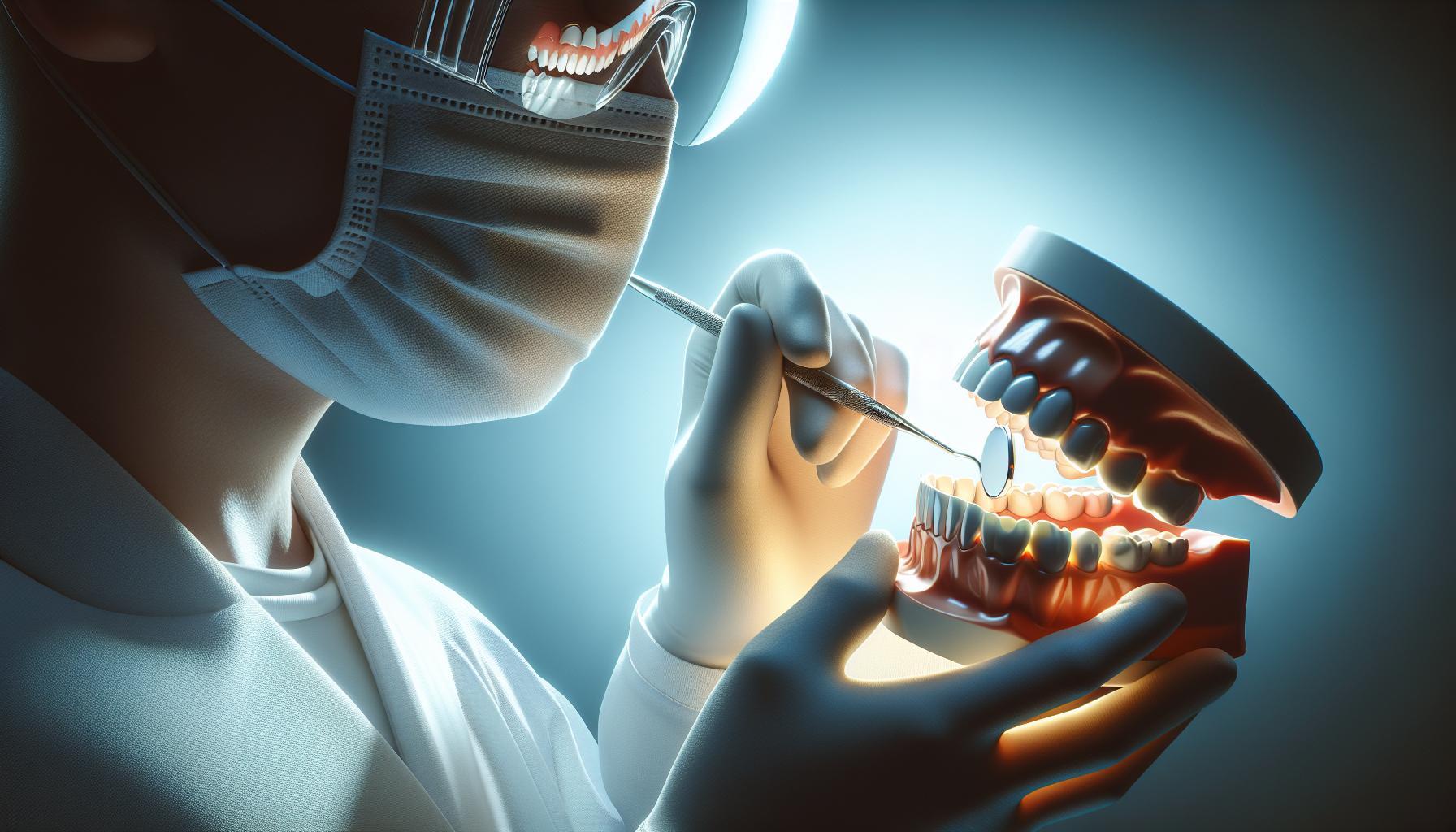
Understanding the Risks of Smoking Post-Extraction
Wisdom tooth removal is a common procedure that many people undergo, but the aftermath can significantly influence recovery outcomes.A prevalent point of discussion among dental professionals is the impact of smoking following such extractions. Smoking can introduce numerous complications, according to experts, which is why understanding these risks is crucial for anyone considering indulging immediately post-surgery.
When you smoke after having your wisdom teeth removed, the act itself can lead to dry socket, a painful condition where the blood clot at the extraction site fails to form properly or becomes dislodged. This condition exposes the bone and nerves, leading to increased pain and a prolonged healing process. Additionally, the chemicals in cigarettes can impair the body’s natural healing response, increasing the risk of infection. Dental professionals emphasize that refraining from smoking for at least 72 hours post-operation is crucial to minimize these risks.
Alternatives to Smoking
For those seeking alternatives to smoking during recovery, there are various options that can satisfy the craving without jeopardizing your healing process. Here are some recommendations:
- Nicotine Gum or Patches: These can definitely help manage cravings while keeping harmful smoke away from your healing wounds.
- Herbal Alternatives: Consider smoking blends that contain no tobacco or nicotine, often made from herbs. Though it’s always advisable to consult a dentist before trying these.
- Breathing Exercises: Engaging in deep breathing can provide a calming effect and distract from cravings.
Expert recommendations for Recovery
Dental professionals also recommend a few best practices to ensure a smooth recovery after wisdom tooth extraction. Following post-operative instructions is vital to avoid issues. here are some additional steps to consider:
| Action | Description |
|---|---|
| Stay Hydrated | drink plenty of fluids, avoiding straws which can create suction and dislodge clots. |
| Follow-Up Care | Attend follow-up appointments with your dentist to monitor healing. |
| Eat Soft foods | Opt for soft, gentle foods that are easier to eat and won’t disturb the extraction sites. |
By taking these precautions and alternatives into account, you can help ensure that your healing process goes smoothly and avoid the complications that smoking may introduce after your wisdom teeth have been extracted. Always consult with your dentist for personalized advice tailored to your specific situation.
Identifying the Signs of Complications: When to Seek Help
Recognizing Complications Post-Extraction
Experiencing discomfort after wisdom teeth removal is common, but certain signs can indicate that complications may be developing. Being vigilant about these symptoms can not only ensure a smoother recovery but also prevent more serious issues down the line. After procedures like wisdom teeth extraction, particularly when considering activities such as smoking, it’s crucial to be aware of how your body is reacting.
- Pain Level Increases: While some pain is expected post-surgery, a significant increase or change in the quality of pain—like sharp or throbbing pain—can signal complications such as dry socket or infection. If the pain escalates rather than gradually decreases, it’s time to consult your dentist.
- Prolonged Swelling and Bruising: Swelling is a normal part of the healing process. Though, if swelling persists beyond a few days or is accompanied by bruising that spreads, this may imply a surgical complication or hematoma formation.
- Fever and Chills: A mild fever can be a natural response to surgery. However, if your temperature rises above 100.4°F (38°C) and is accompanied by chills,this could indicate an infection that requires medical evaluation.
- unusual Bleeding: Oozing and slight bleeding are expected,but consistent or severe bleeding several hours after surgery is concerning. This could point to inadequate clot formation or damage to surrounding tissues.
- Persistent Numbness: Numbness in the tongue, chin, or lip can signify nerve injury. If these sensations do not start to improve within a few days, it’s essential to seek help.
What to Do If you Notice Complications
If you observe any of these symptoms, it’s vital to act promptly.Here are steps to take for a healthy recovery after wisdom teeth extraction:
| Symptom | Recommended Action |
|---|---|
| Severe Pain | Contact your oral surgeon for evaluation; they may prescribe medication or adjust your treatment plan. |
| Persistent Swelling | Apply ice packs and contact your dentist if swelling doesn’t subside within 48 hours. |
| Fever | Monitor your symptoms and seek medical attention if the fever persists or worsens. |
| Bleeding | Keep head elevated and apply gentle pressure with a clean gauze; if bleeding doesn’t stop, contact your dentist. |
| Numbness | Consult with your dentist to assess the impact and discuss possible treatments for nerve injury. |
Being proactive about your health can significantly smooth your recovery journey. if you’re considering smoking during the recovery phase, it’s essential to understand that it may exacerbate these complications and impede healing. Always prioritize your health and err on the side of caution if you notice anything unusual after your wisdom teeth removal.
Gradual Transition: How to Ease Back into Your Routine
Understanding the Healing Process
After undergoing wisdom teeth removal,the importance of a gradual transition back into your routine cannot be overstated. Immediately post-surgery, your body needs time to heal, and rushing back into normal activities—especially smoking—can lead to complications such as dry sockets and prolonged discomfort. It’s crucial to listen to your body and recognize the signs of recovery, as each individual’s healing process varies. Generally, taking at least a few days to rest is advisable, and most people find they can resume light activities by about day six or seven with reduced pain and increased jaw mobility [[1](https://karrinyupdental.com.au/a-week-by-week-guide-to-wisdom-teeth-surgery-recovery/)].
- Days 1-3: Focus on rest and hydration. Stick to a diet of soft foods like applesauce, yogurt, and smoothies to avoid any unnecessary strain on your mouth.
- Days 4-5: Start incorporating light activities into your day,such as short walks,but avoid any strenuous exercise or activities that may cause excessive swelling.
- Days 6-7: By now, consider reintroducing more varied soft foods while monitoring your comfort level.
Reassessing Your Habits
When considering how to smoke after you get your wisdom teeth out, it’s essential to assess your habits considering your recovery. Many patients wonder about smoking marijuana or cigarettes during the healing period,as both can impact your recovery negatively due to the suction they create,which can dislodge blood clots and lead to dry sockets. Ideally, it is best to avoid smoking altogether for at least the first week and consult your dentist about resuming any habits afterward. Here’s a practical guide to transitioning safely:
| Time Post-Surgery | Smoking Recommendations | Alternatives |
|---|---|---|
| 0-3 Days | Avoid fully | Consider herbal teas or CBD products (check with your dentist) |
| 4-7 Days | Limit smoking; go for low-impact alternatives | Vaping with caution or edibles |
| 1 Week and Beyond | Consult your dentist before resuming | Non-inhalative methods, like tinctures |
Pacing Your Return to Normal Activities
As you transition back into your daily routine, ensure that you prioritize your recovery. This includes incorporating short, manageable tasks that won’t overwhelm you. Gradual re-engagement not only aids healing but also allows you to monitor how your body responds to the gradual increase in activities. Consider scheduling gentle follow-up exercises, such as jaw exercises and stretching, which can aid in regaining mobility without placing undue stress on your recovery.Remember, the key is to move forward only as you feel comfortable, ensuring each step contributes positively to your healing journey while minimizing risks associated with smoking post-surgery.
Navigating Social Situations: Handling Peer Pressure Without compromising Recovery
### Understanding the Impact of social Dynamics on Recovery
Navigating social situations while maintaining a commitment to recovery can be challenging, especially when faced with peer pressure. Individuals in recovery often find themselves in environments where substances are present, which can trigger cravings or temptations. Understanding the nuances of social interactions and peer influence is crucial to staying committed to one’s recovery journey.
One effective strategy for handling peer pressure is to develop a clear understanding of one’s triggers. This involves identifying specific situations, places, or people that might lead to cravings. armed with this knowledge, you can create a proactive plan to either avoid these triggers altogether or manage them more effectively when they arise. For instance, if a friend invites you to a party where you anticipate drug use, consider suggesting an alternative, such as a movie night at home or a coffee date in a sober environment.
Another vital aspect is learning to assertively say “no” when faced with pressure to engage in substance use. Practicing refusal techniques in advance can boost your confidence during real-life encounters. Here are a few tactics to consider:
- Consider your response: Prepare simple yet firm responses such as, “I’m focusing on my recovery,” or “No thanks, I’m not interested.”
- Use humor: lightening the mood can defuse pressure; as a notable example, saying, “I’m too busy being awesome without that!”
- Change the subject: Redirect the conversation to a more positive topic or one that dose not involve substances.
### seeking Support from Positive Peers
Surrounding yourself with supportive friends who respect your recovery goals is essential. Engaging with a recovery community provides a built-in support system that reinforces your commitment and promotes accountability. Whether through formal groups,online forums,or social networks,connecting with others who share similar experiences can greatly enhance your resilience against peer pressure.
Recognizing the distinction between supportive peers and those who might encourage negative behaviors is also vital. Negative peer influence can heighten the risk of relapse; thus, understanding the impact of your social circle is crucial in maintaining your path to recovery [[1]](https://www.originstexas.com/blog/adult-peer-pressure/).
### Practical Steps for social Situations
being prepared for social situations involves more than just knowing how to say no. Here are some practical steps to navigate these encounters effectively:
| Step | Action |
|---|---|
| 1 | Assess the situation beforehand. What is the likelihood of encountering substances? |
| 2 | Decide in advance how you will respond if offered substances. |
| 3 | Communicate your boundaries to close friends or family members who support your recovery. |
| 4 | If you feel uncomfortable, don’t hesitate to leave the situation. |
by implementing these strategies, you can effectively handle peer pressure while honoring your commitment to recovery. Remember, prioritizing your well-being is not only essential for your health but can also set a positive example for others around you.
Long-term Effects: How Post-Surgery Choices Can Influence Oral Health
The Impact of Choices on Long-term Oral Health
Making informed choices after oral surgery, especially following wisdom teeth extraction, can significantly affect your long-term oral health. Engaging in habits such as smoking,even if done cautiously,can introduce various risks during the healing process. It is crucial to understand how these actions can influence recovery and the overall health of your mouth.
- Increased Risk of Dry Socket: One of the most concerning complications after tooth extraction is dry socket, a painful condition resulting from the dislodgment of the blood clot protecting the extraction site. Smoking can hinder the formation of this vital clot due to the suction created when inhaling. This risk remains heightened during the initial recovery period, which typically spans the first few days post-surgery.
- Potential for infection: the chemicals in cigarette smoke can interfere with the body’s healing processes, increasing the likelihood of post-operative infections. Maintaining good oral hygiene is crucial, but smoking can impede those efforts by irritating the gum tissue.
- Long-term Oral Consequences: Consistent post-surgery smoking may lead to chronic issues, including gum disease and advanced decay. The damage isn’t just immediate; it can affect your oral landscape for years to come.
Choosing healthier alternatives
After wisdom teeth removal, you might be tempted to consider smoking as a way to cope with anxiety or pain. However, it’s essential to explore healthier alternatives that not only support recovery but also benefit your overall well-being. Here are some effective strategies:
| Alternative | Description |
|---|---|
| Meditation and Relaxation Techniques | These practices can effectively reduce anxiety without compromising oral health. |
| Herbal Teas | Consider non-caffeinated herbal teas to soothe and provide comfort. |
| Soft Foods | Focus on enjoying nutritious, easy-to-chew foods like yogurt, applesauce, and smoothies. |
By prioritizing these healthier choices,you can facilitate a smooth recovery after wisdom teeth extraction while protecting your long-term oral health. Always consult with your dental professional before making decisions that could impact your recovery,including smoking habits. Remember, effective recovery is not just about healing but also about setting the foundation for a healthier future.
Frequently Asked Questions
How to Smoke After You Get Your Wisdom Teeth Out: Risks & Alternatives?
It is not recommended to smoke after wisdom teeth extraction due to significant risks, such as dry socket.Instead, consider waiting at least 24 hours or longer for safer recovery.
Smoking can cause serious complications post-surgery, mainly because it can disrupt the healing process. Dry socket is a painful condition that occurs when the blood clot is dislodged,leading to increased recovery time and potential infections. Consult your dentist for tailored advice regarding your situation.
What are the risks of smoking after wisdom teeth extraction?
The primary risks of smoking after wisdom teeth removal include dry socket, infection, and delayed healing.
Dry socket is particularly painful and occurs when the blood clot dislodges from the extraction site. This condition can lead to prolonged discomfort and a longer healing process. Additionally, smoking reduces blood flow, hindering your mouth’s ability to heal properly, making it crucial to avoid tobacco products.
Can I smoke after a day of having my wisdom teeth removed?
Ideally, you should avoid smoking for at least 24 hours post-surgery.
The first few days are crucial for recovery, and smoking during this time can increase the risk of complications like infections and dry socket. If you must smoke, consider waiting as long as possible to minimize risks to your oral health during recovery.
Why does smoking cause dry socket after tooth extraction?
Smoking can lead to dry socket by dislodging the blood clot that forms at the extraction site.
The act of inhaling can create pressure and suction that affects healing. When the blood clot is disturbed, the underlying bone and nerves become exposed, leading to severe pain and complications. It is vital to follow your dentist’s recommendations and avoid smoking during the healing period.
Are there alternatives to smoking after wisdom teeth removal?
Yes, consider alternatives like using nicotine patches or gum if you need to manage cravings.
These alternatives can help reduce the urge to smoke while avoiding the risks associated with traditional smoking. Additionally,focusing on activities that don’t involve your mouth,such as reading or watching movies,can definitely help distract you during the recovery period.
How can I ensure a healthy recovery after wisdom teeth extraction?
To ensure a healthy recovery, follow your dentist’s aftercare instructions, including avoiding smoking.
Maintain good oral hygiene by rinsing gently with warm salt water, stay hydrated, and eat soft foods. Avoiding tobacco is crucial,as it can lead to complications. Always follow up with your dentist if you experience uncommon symptoms during your recovery.
What should I do if I experience pain after smoking post-extraction?
If you experience pain after smoking post-extraction, contact your dentist immediately for guidance.
It’s essential to address any sudden discomfort as it could be a sign of complications like dry socket or infection.Your dentist can recommend treatments or manage any pain effectively.
In Retrospect
while the temptation to smoke after wisdom teeth extraction is understandable, it’s crucial to recognize the associated risks, such as delayed healing and potential complications like dry sockets. Evidence suggests waiting at least 24 to 72 hours before smoking to minimize these risks [1[1][3[3]. For those seeking alternatives, consider options that won’t jeopardize your recovery, such as nicotine patches or discussing safe methods with your healthcare provider. Remember, prioritizing your oral health is essential, and being proactive can lead to a smoother recovery. Explore more about safe practices post-surgery to ensure you’re taking the best steps for your healing journey.
Get our latest guides, news, and insights highlighted in your Google Search & AI Overviews.